logo logo
giving banner
Donate
    • Membership
    • Donate
  • Social Justice
    • Racial Justice
    • Climate Justice
    • Disability Justice
    • Economic Justice
    • Food Justice
    • Health Justice
    • Immigration
    • LGBTQ+
  • Civic News
  • Nonprofit Leadership
    • Board Governance
    • Equity-Centered Management
    • Finances
    • Fundraising
    • Human Resources
    • Organizational Culture
    • Philanthropy
    • Power Dynamics
    • Strategic Planning
    • Technology
  • Columns
    • Ask Rhea!
    • Ask a Nonprofit Expert
    • Economy Remix
    • Gathering in Support of Democracy
    • Humans of Nonprofits
    • The Impact Algorithm
    • Living the Question
    • Nonprofit Hiring Trends & Tactics
    • Notes from the Frontlines
    • Parables of Earth
    • Re-imagining Philanthropy
    • State of the Movements
    • We Stood Up
    • The Unexpected Value of Volunteers
  • CONTENT TYPES
  • Leading Edge Membership
  • Newsletters
  • Webinars

23 States Sue Feds to Block HHS “Conscience” Rule Permitting Refusal of Care

Ruth McCambridge
May 24, 2019

May 22, 2019; FierceHealthcare

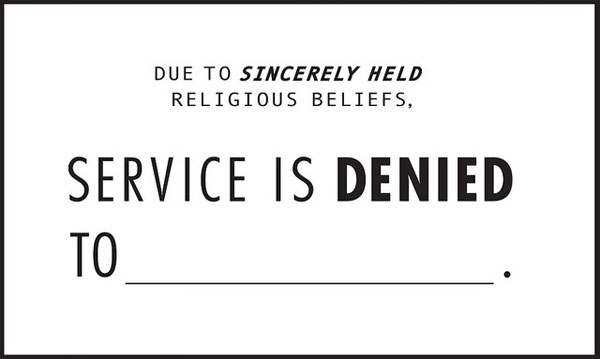
Twenty-three states joined in a suit filed on May 21st to block a new federal regulation known as the Protecting Statutory Conscience Rights in Health Care rule. Published yesterday in the Federal Register, it would give health care providers, insurers, and employers—as well as a wide range of others, such as ambulance drivers, receptionists, and customer service representatives at insurance companies—the right to refuse to provide or pay for medical services that violate their religious or moral beliefs. These services would include abortion and other reproductive services, as well as assisted suicide. Additionally, any health care provider would risk federal funding if they do not respect the right of these workers to deny service.

If not blocked, the rule will take effect in July of this year.

Sign up for our free newsletters

Subscribe to NPQ's newsletters to have our top stories delivered directly to your inbox.

By signing up, you agree to our privacy policy and terms of use, and to receive messages from NPQ and our partners.

The suit, which was spearheaded by New York Attorney General Letitia James, charges that “that the rule violates several federal laws, including those governing Medicare and Medicaid, civil rights statutes and a statute requiring hospitals to provide emergency care.”

James commented in a statement:

Once again, the Trump Administration is putting politics over the health and safety of Americans. The federal government is giving healthcare providers free license to openly discriminate and refuse care to patients—a gross misinterpretation of religious freedom that will have devastating consequences on communities throughout the country. When the health of our residents is at stake, and the safety of vulnerable populations hang in the balance, we cannot rest until this “health care refusal” rule is stopped.

In addition, a separate lawsuit filed by California Attorney General Xavier Becerra alleges that the new rule impedes basic care for patients and that it’s lawless and reckless, encouraging discrimination against patients who are “vulnerable,” including women and patients from the LGBTQ community.—Ruth McCambridge

Our Voices Are Our Power.

Journalism, nonprofits, and multiracial democracy are under attack. At NPQ, we fight back by sharing stories and essential insights from nonprofit leaders and workers—and we pay every contributor.

Can you help us protect nonprofit voices?

Your support keeps truth alive when it matters most.
Every single dollar makes a difference.

Donate now
logo logo logo logo logo
About the author
Ruth McCambridge

Ruth is Editor Emerita of the Nonprofit Quarterly. Her background includes forty-five years of experience in nonprofits, primarily in organizations that mix grassroots community work with policy change. Beginning in the mid-1980s, Ruth spent a decade at the Boston Foundation, developing and implementing capacity building programs and advocating for grantmaking attention to constituent involvement.

More about: Health JusticeNonprofit NewsPolicyReligious / Faith-Based
See comments

You might also like
Women’s Rights Under Siege—but We’ve Come Too Far to Go Back
Ann Lehman
The Silent “Cinderella” Disease
Rebecca L. Root
Can the Fight Against AI Revitalize the US Labor Movement?
Ted Siefer
On the Oracle Alice Wong, Disability, and Community
Alison Stine
The Deadly Combination of Pregnancy and Rural Living in the United States
Janelle Carlson
How Climate Instability and Extreme Heat Could Upend High School Sports
Roxanne L. Scott

Upcoming Webinars

Group Created with Sketch.
January 29th, 2:00 pm ET

Participatory Decision-making

When & How to Apply Inclusive Decision-making Methods

Register
Group Created with Sketch.
February 26th, 2:00 pm ET

Understanding Reduction in Force (RIF) Law

Clear Guidance for Values-centered Nonprofits

Register

    
You might also like
A fragmented image of a woman’s profile, symbolizing how women’s rights and protections are under seige.
Women’s Rights Under Siege—but We’ve Come Too Far to...
Ann Lehman
A black and white x-ray image of human lungs.
The Silent “Cinderella” Disease
Rebecca L. Root
A black and white x-ray image of human lungs.
Can the Fight Against AI Revitalize the US Labor Movement?
Ted Siefer

Like what you see?

Subscribe to the NPQ newsletter to have our top stories delivered directly to your inbox.

See our newsletters

By signing up, you agree to our privacy policy and terms of use, and to receive messages from NPQ and our partners.

  • About
  • Advertise
  • Careers
  • Contact
  • Copyright
  • Donate
  • Editorial Policy
  • Funders
  • Submissions

We are using cookies to give you the best experience on our website.


Nonprofit Quarterly | Civic News. Empowering Nonprofits. Advancing Justice.
Powered by  GDPR Cookie Compliance
Privacy Overview

This website uses cookies so that we can provide you with the best user experience possible. Cookie information is stored in your browser and performs functions such as recognising you when you return to our website and helping our team to understand which sections of the website you find most interesting and useful.

Strictly Necessary Cookies

Strictly Necessary Cookie should be enabled at all times so that we can save your preferences for cookie settings.