logo logo
Donate
    • Membership
    • Donate
  • Social Justice
    • Racial Justice
    • Climate Justice
    • Disability Justice
    • Economic Justice
    • Food Justice
    • Health Justice
    • Immigration
    • LGBTQ+
  • Civic News
  • Nonprofit Leadership
    • Board Governance
    • Equity-Centered Management
    • Finances
    • Fundraising
    • Human Resources
    • Organizational Culture
    • Philanthropy
    • Power Dynamics
    • Strategic Planning
    • Technology
  • Columns
    • Ask Rhea!
    • Ask a Nonprofit Expert
    • Gathering in Support of Democracy
    • Hope in the Dark
    • Humans of Nonprofits
    • Inside the States
    • In Defense of Civil Society
    • The Myth of Heroic Leadership
    • Notes from the Frontlines
    • Notes from the Long Arc
    • Reimagining Philanthropy
    • The Unexpected Value of Volunteers
    • We Stood Up
  • Newsletters
  • NPQ Online Events
    • Learn Out Loud
    • Leading Edge Webinars
    • Partner Events
    • On Demand
  • Leading Edge Membership

Protests at DC Planned Parenthood Clinic Create Havoc for Local Charter

Larry Kaplan
September 10, 2015


PP-protests

September 9, 2015; Washington Post

With all the attacks on it, along with moves to defund it, the last thing Planned Parenthood needs is a poor relationship with the neighbors of one of its facilities. In Washington, D.C., families at one of the city’s most popular charter schools are dealing with how to coexist with a new Planned Parenthood clinic next door.

According to the Washington Post, when school began recently at Two Rivers Public Charter School in Northeast Washington, sidewalks were torn up and major construction was underway next door at the site of an abandoned warehouse being turned into Planned Parenthood’s new flagship health center.

The center, which will provide preventive care and abortions, is not scheduled to open until next spring. However, protestors recently waved signs at passers-by, including the families who came in for parent-teacher meetings.

The Post reports that parents are worried “that they now will have to explain graphic images of aborted fetuses and the ideological underpinnings of one of the country’s most contentious debates to their young children.”

Sign up for our free newsletters

Subscribe to NPQ's newsletters to have our top stories delivered directly to your inbox.

By signing up, you agree to our privacy policy and terms of use, and to receive messages from NPQ and our partners.

One critical parent told the Post that placing a Planned Parenthood facility between two schools was an unwise decision that compromises the safety of children: “Protests at abortion facilities are very heated, personal, and can turn physically violent.”

The school’s frustrated executive director sent a letter to parents about the “protesters with graphic images” who stood in front of the school, waving signs and shouting at people entering the building. She urged families to avoid the protesters, and said the school is working with police and plans to increase security outside.

The school will refer children’s questions about the protests back to their families, but will offer age-appropriate messages about the protests themselves. “Those messages are meant for grown-ups, and not for you,” says one.

Two Rivers had the longest waitlist of any D.C. charter this year. Planned Parenthood told the Post that finding space for a new clinic took two years, and it chose the location because of its transit access, affordability and on-site parking. The organization’s local CEO said that other clinics in the U.S. near schools “enjoy strong partnerships.”

Not that Planned Parenthood neglected to engage the neighborhood when it bought the building in 2013—it worked with the local Advisory Neighborhood Commission and school leaders as plans were developed, and met parents to discuss the new clinic, knowing how its clinics are often are the target of confrontational public anti-abortion protests.

The school and clinic are working to mitigate potential harm from future unrest. One parent told the paper that she plans to use the new clinic as a teaching opportunity for her children about free speech and sexuality.—Larry Kaplan


The work isn’t done. Neither is our commitment.

The challenges facing nonprofits aren’t going away. Neither can the journalism that informs, connects, and amplifies the sector.

Help NPQ keep this work free and accessible.

Give Today
logo logo logo logo logo
About the author
Larry Kaplan

Larry Kaplan is a consultant based in Los Angeles. He describes himself as passionate about urban communities and social justice. He helps non-profit organizations leverage governmental and community relations to advocate for their causes, advance their missions, reach their fundraising goals and achieve their program objectives. He has built and maintained elected officials’ offices, managed political campaigns, helped public agencies increase their effectiveness, and advised private companies and associations on their philanthropic and civic responsibilities.

More about: Health EquityNonprofit NewsPolicy
See comments

Stuffing-1
You might also like
The climate crisis has a period problem
Puja Changoiwala
Corporate Consolidation In Food and Agriculture Means Less Opportunities for Small Farmers
Rebekah Alvey
Proposition 40 and the question at the heart of America’s safety net: Who should pay?
María Constanza Costa
American farmers’ politics are more complicated than headlines suggest
Lisa Held
Preserving the body politic against anti-immigration surges on Election Day
Katherine Graham
North Carolina is the canary in the coalmine for attacks on our democracy—and a model for how we fight back
Caitlin Swain and Marcus Bass

Upcoming Webinars

Group Created with Sketch.
December 3, 2:00 pm ET

After the Midterms

What’s Next for Nonprofits?

Register
Group Created with Sketch.
January 28, 2:00 pm ET

Democratic Staff Structures

Weaving Shared Leadership and Union Practice in Nonprofits

Register
You might also like
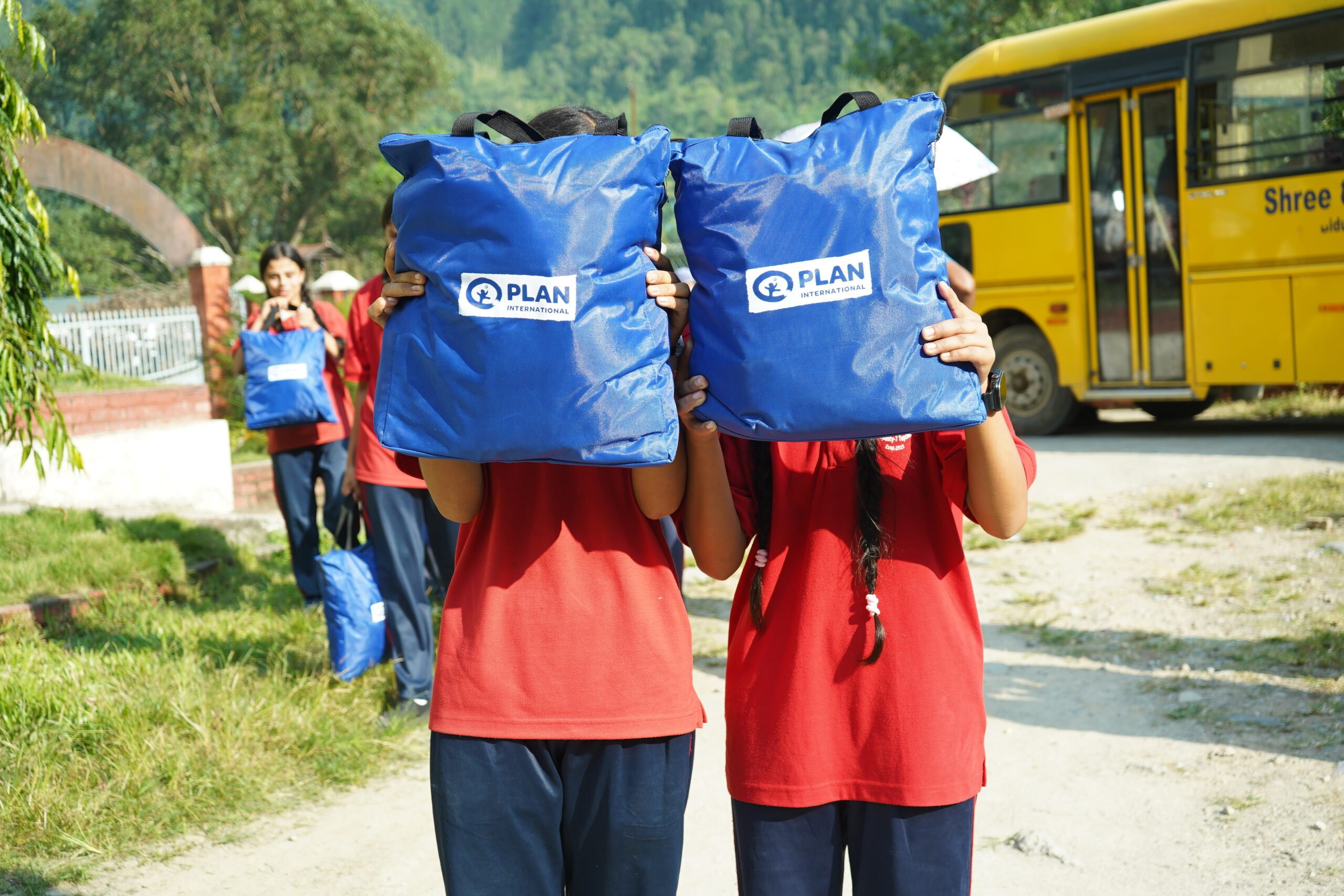
Flood-affected students in Nuwakot, holding hygiene kits distributed by Plan International during the Nepal floods. The kits include sanitary pads and hygiene products. (Image source: Plan International).
The climate crisis has a period problem
Puja Changoiwala
A silver-haired man in a blue shirt smiling and standing in a grassy field on a farm. Behind him is a round hay bale and fence.
Corporate Consolidation In Food and Agriculture Means Less...
Rebekah Alvey
A person holding up a protest sign that reads, “Tax the Rich”
Proposition 40 and the question at the heart of America’s...
María Constanza Costa

Like what you see?

Subscribe to the NPQ newsletter to have our top stories delivered directly to your inbox.

See our newsletters

By signing up, you agree to our privacy policy and terms of use, and to receive messages from NPQ and our partners.

  • About
  • Advertise
  • Careers
  • Contact
  • Copyright
  • Donate
  • Funders
  • Editorial Policy
  • Media Relations
  • Privacy Policy
  • Submissions

We are using cookies to give you the best experience on our website.


Nonprofit Quarterly | Civic News. Empowering Nonprofits. Advancing Justice.
Powered by  GDPR Cookie Compliance
Privacy Overview

This website uses cookies so that we can provide you with the best user experience possible. Cookie information is stored in your browser and performs functions such as recognising you when you return to our website and helping our team to understand which sections of the website you find most interesting and useful.

Strictly Necessary Cookies

Strictly Necessary Cookie should be enabled at all times so that we can save your preferences for cookie settings.