logo logo
Donate
    • Membership
    • Donate
  • Social Justice
    • Racial Justice
    • Climate Justice
    • Disability Justice
    • Economic Justice
    • Food Justice
    • Health Justice
    • Immigration
    • LGBTQ+
  • Civic News
  • Nonprofit Leadership
    • Board Governance
    • Equity-Centered Management
    • Finances
    • Fundraising
    • Human Resources
    • Organizational Culture
    • Philanthropy
    • Power Dynamics
    • Strategic Planning
    • Technology
  • Columns
    • Ask Rhea!
    • Ask a Nonprofit Expert
    • Gathering in Support of Democracy
    • Hope in the Dark
    • Humans of Nonprofits
    • Inside the States
    • In Defense of Civil Society
    • The Myth of Heroic Leadership
    • Notes from the Frontlines
    • Notes from the Long Arc
    • Reimagining Philanthropy
    • The Unexpected Value of Volunteers
    • We Stood Up
  • Newsletters
  • NPQ Online Events
    • Learn Out Loud
    • Premium Webinars
    • Partner Events
    • On Demand
  • Leading Edge Membership

YouTube Video Creators Can Now Solicit Donations for Nonprofits

Jeanne Allen
February 2, 2016
Youtube
JuliusKielaitis / Shutterstock.com

January 26, 2016; The Next Web

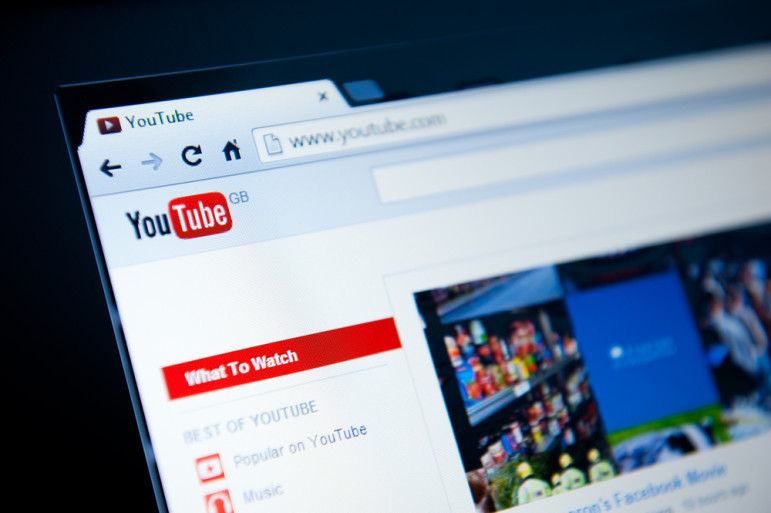
YouTube plans to challenge Facebook for the title of being the go-to platform for online charitable giving.

Just recently, YouTube unveiled a strategy in which YouTube creators can designate an “IRS-validated 501(c)(3)” organization to receive 100 percent of the money donated by viewers, with Google covering the processing fees.

YouTube creators are developing an amazing array of content that not only amuses but also inspires and educates their viewers. With this new move, their videos are now potentially able to raise money for the creators’ favorite causes. Another possibility is that nonprofits could seek out YouTube creators to specifically request adding the nonprofit to their video donation card.

Sign up for our free newsletters

Subscribe to NPQ's newsletters to have our top stories delivered directly to your inbox.

By signing up, you agree to our privacy policy and terms of use, and to receive messages from NPQ and our partners.

Nonprofits enrolled in YouTube’s program already have the option of a donate button on their YouTube channel. This new option allows the creators of videos to help charities and causes they have selected. A YouTube creator can designate up to five different charities. The card shows in the video during viewing, with the option for the viewer to scroll through a list of charities if the creator selects more than one.

All donations will be handled by the platform Network for Good, with neither YouTube nor the nonprofit receiving the donor’s contact info. If a YouTube creator has a donation card on their video platform, viewers only need to click it to make a donation.

Currently, this program is only available for YouTube views in the USA. Google will unveil the program across other countries in the coming weeks.

YouTube’s help pages offer suggestions for using donation cards. They recommend creators provide context for the donation card or cause. Key considerations for nonprofits to discuss before diving into the donation card program:

  1. What is the nonprofit’s brand on YouTube? Before seeking out partnerships with creators, nonprofits should determine what content and strategy best fits the overall nonprofit brand. Sarcasm and edgy humor? Fast-talking? Sincere, emotional pictures? Nonprofits should always know what motivates their specific audience and what their online brand is.
  2. What is the value to a nonprofit in receiving the donation and not the contact info of the donor? Social media campaigns that are successful are typically based on strong knowledge of the audience: their interests, their motivations, and their online choices. While many nonprofits would say that all donations are good, it should be determined if the time spent engaging YouTube creators and their followers is worth it when no database can be created from those donors. It is possible that the relationship stays entirely within the YouTube creator’s world.
  3. What if a YouTube creator selects a nonprofit and the nonprofit doesn’t want to be associated with that particular video or creator? Should or would the nonprofit still accept the donations?

Don’t fall into the trap of FOMO syndrome—fear of missing out. Do the research and determine what is best for your nonprofit in the long run.—Jeanne Allen

Our Voices Are Our Power.

Journalism, nonprofits, and multiracial democracy are under attack. At NPQ, we fight back by sharing stories and essential insights from nonprofit leaders and workers—and we pay every contributor.

Can you help us protect nonprofit voices?

Your support keeps truth alive when it matters most.
Every single dollar makes a difference.

Donate now
logo logo logo logo logo
About the author
Jeanne Allen

Jeanne Allen works at the intersection of Strategy, Innovation, and Technology in the nonprofit sector. Her consulting focuses on the nonprofit capacity building topics of Board Governance & Development, Strategic Planning, Change Management, Social Media Strategy Planning and Train the Trainers. Jeanne is an Instructor in the Duke University Nonprofit Management Certificate Program (NC), a Newswire Contributor for Nonprofit Quarterly (NPQ) online journal and on the Editorial Board for Nonprofit Technology Network (NTEN) Change Magazine, an online magazine on technology and nonprofit leadership. As a BoardSource Certified Governance Consultant, her style is a mashup of board responsibilities, innovation and technology to increase board engagement and other outcomes for nonprofits.

More about: Nonprofit NewsOnline GivingTechnology
See comments

Sidebar-WTC
You might also like
The Nonprofit Data Trap: How Digital Accountability Is Reproducing Inequality
Ebru Akgün
Amid Mass Layoffs at XBOX, the Fight for Equity in the Video Game Industry Continues
Coty Poynter
Unions Lead the Fight for Human Oversight in AI
María Constanza Costa
How Nonprofits Adopt and Govern AI: Insights from a New Report
Coty Poynter
Choosing Your AI Path: A Framework for Nonprofit Leaders to Make Strategic Choices
Nate Wong, Derek Brine, Natalia Alarcón, Paige Boehmcke, Eliza Patterson and Zach Slobig
AI Is Being Built as the Inevitable Future, but Who Pays for Its Environmental Costs?
Kavita Bhardwaj

Upcoming Webinars

Group Created with Sketch.
October 14, 2:00 pm ET

Values-Based Cash & Investment Management

Guidance for Justice-Centered Leaders and Board Committees

Register
Group Created with Sketch.
October 29, 2:00 pm ET

Leading Edge

Fundraising Trends and Emerging Practices

Register
Group Created with Sketch.
December 3, 2:00 pm ET

After the Midterms

What’s Next for Nonprofits?

Register

    
You might also like
A line of identical Russian dolls, tacked from smallest to largest.
The Nonprofit Data Trap: How Digital Accountability Is...
Ebru Akgün
An X-box controller is placed at an angle against a surface lit with pink and blue lighting.
Amid Mass Layoffs at XBOX, the Fight for Equity in the Video...
Coty Poynter
A person’s hands type on a laptop while a standinf robot looms in the background, just out of focus.
Unions Lead the Fight for Human Oversight in AI
María Constanza Costa

Like what you see?

Subscribe to the NPQ newsletter to have our top stories delivered directly to your inbox.

See our newsletters

By signing up, you agree to our privacy policy and terms of use, and to receive messages from NPQ and our partners.

  • About
  • Advertise
  • Careers
  • Contact
  • Copyright
  • Donate
  • Funders
  • Editorial Policy
  • Media Relations
  • Privacy Policy
  • Submissions

We are using cookies to give you the best experience on our website.


Nonprofit Quarterly | Civic News. Empowering Nonprofits. Advancing Justice.
Powered by  GDPR Cookie Compliance
Privacy Overview

This website uses cookies so that we can provide you with the best user experience possible. Cookie information is stored in your browser and performs functions such as recognising you when you return to our website and helping our team to understand which sections of the website you find most interesting and useful.

Strictly Necessary Cookies

Strictly Necessary Cookie should be enabled at all times so that we can save your preferences for cookie settings.