logo logo
Donate
    • Membership
    • Donate
  • Social Justice
    • Racial Justice
    • Climate Justice
    • Disability Justice
    • Economic Justice
    • Food Justice
    • Health Justice
    • Immigration
    • LGBTQ+
  • Civic News
  • Nonprofit Leadership
    • Board Governance
    • Equity-Centered Management
    • Finances
    • Fundraising
    • Human Resources
    • Organizational Culture
    • Philanthropy
    • Power Dynamics
    • Strategic Planning
    • Technology
  • Columns
    • Ask Rhea!
    • Ask a Nonprofit Expert
    • Economy Remix
    • Gathering in Support of Democracy
    • Humans of Nonprofits
    • The Impact Algorithm
    • Living the Question
    • Nonprofit Hiring Trends & Tactics
    • Notes from the Frontlines
    • Parables of Earth
    • Re-imagining Philanthropy
    • State of the Movements
    • We Stood Up
    • The Unexpected Value of Volunteers
  • CONTENT TYPES
  • Leading Edge Membership
  • Newsletters
  • Webinars

Nonprofit Newswire | Churches and Synagogues Collect the Same, Differently

Rick Cohen
September 10, 2010

September 8, 2010; Source: Reuters | This Reuters piece republishes an article from the Forward, the New York-based Jewish weekly, comparing giving to Christian and Jewish religious institutions—that is, giving to churches and synagogues. Based on a small survey sample, the Forward suggests that churches and synagogues raise approximately the same amounts per member, though church dues are voluntary while synagogues charge membership dues.

For example, in one matched church/synagogue comparison, the Forward found that the synagogue charged each family a $2,100 membership fee while the church got one-third of its members to make voluntary contributions, but at an average level of $2,700. Christian leaders told the Forward that they were “incredulous” that synagogues charged mandatory membership fees. A Jewish leader responded that “If we eliminated dues tomorrow and said to the congregation, ‘Tithe your income,’ we’d go out of business in a year,” reflecting the idea that the mandatory dues are an entrenched part of Jewish religious organization.

Sign up for our free newsletters

Subscribe to NPQ's newsletters to have our top stories delivered directly to your inbox.

By signing up, you agree to our privacy policy and terms of use, and to receive messages from NPQ and our partners.

In the study, synagogues’ dues ranged from $1,000 to $3,000 annually per family, while church members’ contributions varied widely, from $7,800 per member family at a Southern Baptist church in suburban Tulsa, Okla. to an average of $100 a year for members of St. Mary of the Assumption, a Catholic parish in Boston.

Raising money from mandatory dues compared to voluntary gifts or tithes is an interesting area of religious difference, but equally important. In the next installment of the Forward survey the magazine will investigate how churches and synagogues spend the money they raise. We will be interested to see how much goes to sacerdotal activities versus services for members and non-members.—Rick Cohen


Our Voices Are Our Power.

Journalism, nonprofits, and multiracial democracy are under attack. At NPQ, we fight back by sharing stories and essential insights from nonprofit leaders and workers—and we pay every contributor.

Can you help us protect nonprofit voices?

Your support keeps truth alive when it matters most.
Every single dollar makes a difference.

Donate now
logo logo logo logo logo
About the author
Rick Cohen

Rick joined NPQ in 2006, after almost eight years as the executive director of the National Committee for Responsive Philanthropy (NCRP). Before that he played various roles as a community worker and advisor to others doing community work. He also worked in government. Cohen pursued investigative and analytical articles, advocated for increased philanthropic giving and access for disenfranchised constituencies, and promoted increased philanthropic and nonprofit accountability.

More about: Nonprofit News
See comments

You might also like
90 Percent of Student Discrimination and Harassment Complaints Were Dismissed Last Year. Here’s Why.
Nadra Nittle
Hispanic Scholarship Fund on Trial: Implications for Racial Equity Organizations
Ted Siefer
Information as Civic Infrastructure—and How Philanthropy Can Support the Ecosystem
Rhett Ayers Butler
What Ohio—and Other States—Can Learn from Minnesota’s ICE Resistance
Cinnamon Janzer
Detroit Was Once Home to 18 Black-Led Hospitals–Here’s How to Understand Their Rise and Fall
Rashid Faisal and Anita Moncrease
Wellbeing Is Infrastructure
Nineequa Blanding

Upcoming Webinars

Group Created with Sketch.
March 19th, 2:00 pm ET

Open Board Search

How Casting a Wide Net Transforms Nonprofit Governance

Register
Group Created with Sketch.
March 26, 2:00 pm ET

Learn Out Loud

How Every Philanthropy, Nonprofit, and Community Member Can Leverage Power in Our Fight Against ICE

Register

    
You might also like
The Washington Post pulled up on the screen of an Apple iPhone.
As Jeff Bezos Dismantles The Washington Post, 5 Regional...
Dan Kennedy
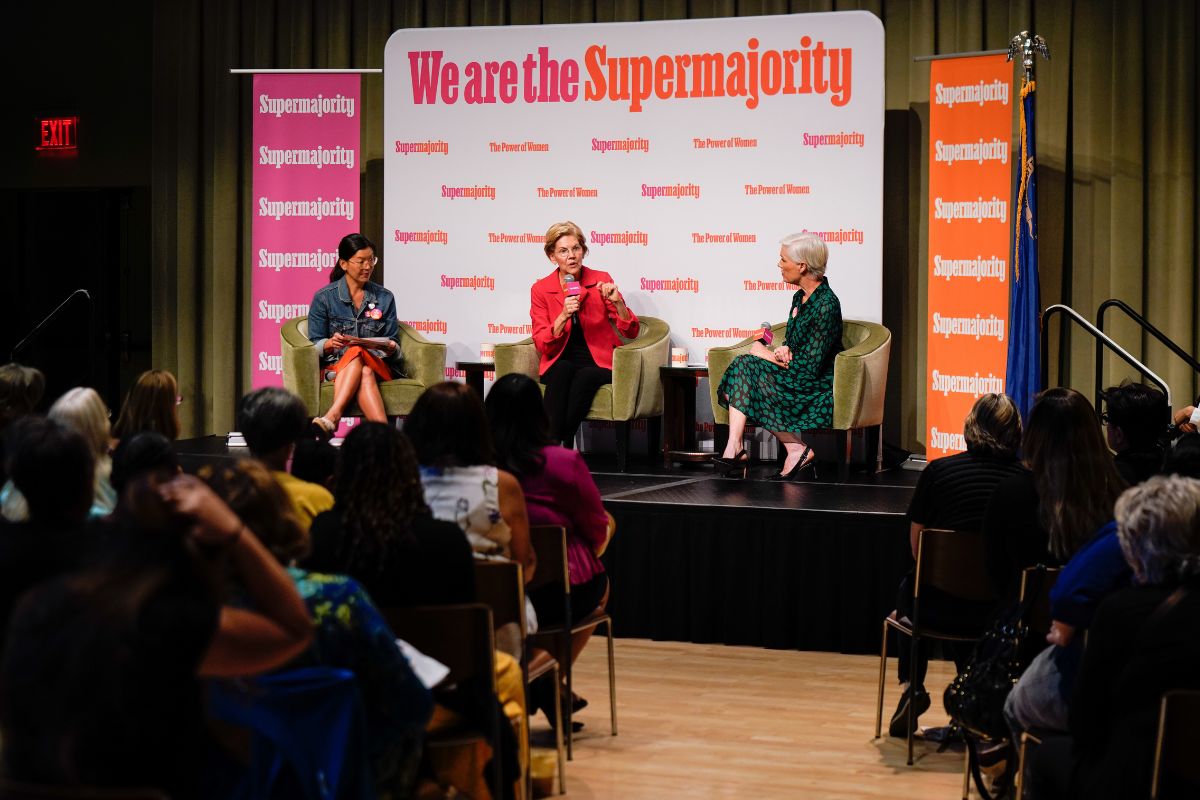
Senator Elizabeth Warren speaks into a microphone in front of a sign reading "We are the Supermajority" while an audience listens.
Supermajority, Group Organizing Women Around Politics, Is...
Jennifer Gerson
A red circle overlayed on a yellow background with three multi-colored dots on each side. In the center it reads, " Isaiah Thompson: Staff Picks for 2025"
Staff Picks for 2025: Isaiah Thompson
Isaiah Thompson

Like what you see?

Subscribe to the NPQ newsletter to have our top stories delivered directly to your inbox.

See our newsletters

By signing up, you agree to our privacy policy and terms of use, and to receive messages from NPQ and our partners.

  • About
  • Advertise
  • Careers
  • Contact
  • Copyright
  • Donate
  • Editorial Policy
  • Funders
  • Submissions

We are using cookies to give you the best experience on our website.


Nonprofit Quarterly | Civic News. Empowering Nonprofits. Advancing Justice.
Powered by  GDPR Cookie Compliance
Privacy Overview

This website uses cookies so that we can provide you with the best user experience possible. Cookie information is stored in your browser and performs functions such as recognising you when you return to our website and helping our team to understand which sections of the website you find most interesting and useful.

Strictly Necessary Cookies

Strictly Necessary Cookie should be enabled at all times so that we can save your preferences for cookie settings.