logo logo
Donate
    • Membership
    • Donate
  • Social Justice
    • Racial Justice
    • Climate Justice
    • Disability Justice
    • Economic Justice
    • Food Justice
    • Health Justice
    • Immigration
    • LGBTQ+
  • Civic News
  • Nonprofit Leadership
    • Board Governance
    • Equity-Centered Management
    • Finances
    • Fundraising
    • Human Resources
    • Organizational Culture
    • Philanthropy
    • Power Dynamics
    • Strategic Planning
    • Technology
  • Columns
    • Ask Rhea!
    • Ask a Nonprofit Expert
    • Gathering in Support of Democracy
    • Hope in the Dark
    • Humans of Nonprofits
    • Inside the States
    • In Defense of Civil Society
    • The Myth of Heroic Leadership
    • Notes from the Frontlines
    • Notes from the Long Arc
    • Reimagining Philanthropy
    • The Unexpected Value of Volunteers
    • We Stood Up
  • Newsletters
  • NPQ Online Events
    • Learn Out Loud
    • Leading Edge Webinars
    • Partner Events
    • On Demand
  • Leading Edge Membership

Nonprofit Newswire | Real Change—Not in My Backyard

Rick Cohen
May 26, 2010

May 21, 2010; Source: Seattle Times | Here is another NNIMBY story—“no nonprofits in my back yard.” A nonprofit “street newspaper” sold by homeless vendors called Real Change is moving from Belltown to Pioneer Square in Seattle, and the Pioneer Square Community Association is opposed to its new neighbor’s relocation. The Association has filed a challenge with the City arguing that the newspaper’s operations do not fit the historic district’s zoning regulations, arguing that because Real Change sells papers to homeless people who then sell the paper for a profit, Real Change is “clearly a wholesale operation”—a prohibited land use in the neighborhood.

Because Real Change has a computer lab and classes for vendors, the Community Association says that is a vocational use and not allowed under the neighborhood’s zoning. Is zoning the issue or something else? We guess it’s really NNIMBYism. In March, the head of the community association wrote to the mayor contending that the neighborhood had reached a saturation point in social services and did not need the presence of Real Change. The Association also argued that the neighborhood’s “economic vitality is impacted by the public’s perception of safety issues,” which would be exacerbated apparently by the thought of people standing in line at Real Change.

Sign up for our free newsletters

Subscribe to NPQ's newsletters to have our top stories delivered directly to your inbox.

By signing up, you agree to our privacy policy and terms of use, and to receive messages from NPQ and our partners.

The Pioneer Square Preservation Board endorsed Real Change’s move to the neighborhood, and the paper is already in its new accommodations, located behind a Quizno’s sandwich place, thus the Community Association’s appeal to the City’s hearing examiner. We looked at the Community Association’s Pioneer Square District website to discover a “myriad,” as the website puts it, of retailers in the District—grouped under headings including “art galleries,” “boutiques & clothiers,” “specialty & gift shoppes,” and “antique & vintage shoppes.”

The “shoppes” is a giveaway. This isn’t a problem of zoning, it is a problem of a program serving homeless people moving into a shopping area trying to give itself an upscale, chic kind of image. The Mayor turned a deaf ear to the Association’s complaint that there were too many nonprofit service providers in the area. We hope that the hearing examiner gives a similar reception to the Association’s desperate sounding zoning challenge.—Rick Cohen


Our Voices Are Our Power.

Journalism, nonprofits, and multiracial democracy are under attack. At NPQ, we fight back by sharing stories and essential insights from nonprofit leaders and workers—and we pay every contributor.

Can you help us protect nonprofit voices?

Your support keeps truth alive when it matters most.
Every single dollar makes a difference.

Donate now
logo logo logo logo logo
About the author
Rick Cohen

Rick joined NPQ in 2006, after almost eight years as the executive director of the National Committee for Responsive Philanthropy (NCRP). Before that he played various roles as a community worker and advisor to others doing community work. He also worked in government. Cohen pursued investigative and analytical articles, advocated for increased philanthropic giving and access for disenfranchised constituencies, and promoted increased philanthropic and nonprofit accountability.

More about: Nonprofit News
See comments

Sidebar Graphic _ LOL_Midterms
You might also like
Who gets to decide who decides? The power problem inside participatory grantmaking
Ahmadu Abubakar
After we were seen
Yahia Lababidi
What 250 years of Black Muslim traditions can teach us
Maryam Abdul-Kareem
Wisdom workers: The capacity nonprofits must learn to recognize and preserve
James A. Lomastro
No bond, no judge: The case that could redefine immigrant rights in the United States
María Constanza Costa
Democracy denied: lessons from incarcerated communities and US territorial residents
christian perry

Upcoming Webinars

Group Created with Sketch.
December 3, 2:00 pm ET

After the Midterms

What’s Next for Nonprofits?

Register
Group Created with Sketch.
January 28, 2:00 pm ET

Nonprofit Unionization

What Are We Learning from Progressive Organizations Who Have Unionized?

Register
You might also like
A person sitting in a tree and wearing a Robin Hood costume, where his face is turned down away from the camera, and shielded by his hood. He holds a bow and arrow is his hands.
AI nationalization is a bailout wearing a populist costume
Samuel Peters
A hand drawn illustration of protest signs against pollution in South Tucson, against a desert background.
When the News Disappears, So Does Environmental Justice
Peter Bruk, Mia Smotritsky, Maria Capellua, Tae Hong and Duaa Alzouby
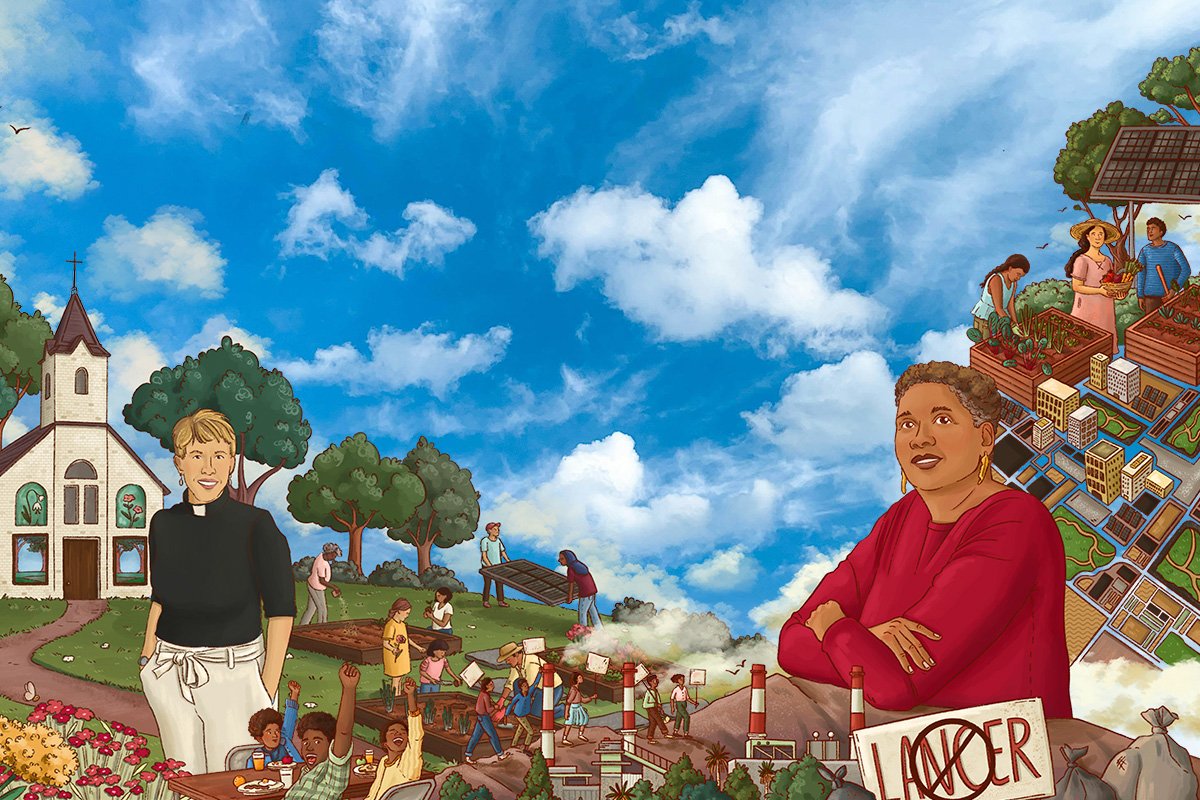
An illustration of two women: a blonde woman wearing a clerical shirt and standing in front of a church, while people tend to the gardens in front of the church. The other woman is a Black woman with cropped hair standing with her arms crossed. Around her are people tending to community gardens and seated at a table enjoying a meal.
Filling the Fiscal Gap: Why the Private Sector Must Anchor...
Haydn Smith, Aileen Ayala, Sophia Sung and Bella Pires

Like what you see?

Subscribe to the NPQ newsletter to have our top stories delivered directly to your inbox.

See our newsletters

By signing up, you agree to our privacy policy and terms of use, and to receive messages from NPQ and our partners.

  • About
  • Advertise
  • Careers
  • Contact
  • Copyright
  • Donate
  • Funders
  • Editorial Policy
  • Media Relations
  • Privacy Policy
  • Submissions

We are using cookies to give you the best experience on our website.


Nonprofit Quarterly | Civic News. Empowering Nonprofits. Advancing Justice.
Powered by  GDPR Cookie Compliance
Privacy Overview

This website uses cookies so that we can provide you with the best user experience possible. Cookie information is stored in your browser and performs functions such as recognising you when you return to our website and helping our team to understand which sections of the website you find most interesting and useful.

Strictly Necessary Cookies

Strictly Necessary Cookie should be enabled at all times so that we can save your preferences for cookie settings.