logo logo
Donate
    • Membership
    • Donate
  • Social Justice
    • Racial Justice
    • Climate Justice
    • Disability Justice
    • Economic Justice
    • Food Justice
    • Health Justice
    • Immigration
    • LGBTQ+
  • Civic News
  • Nonprofit Leadership
    • Board Governance
    • Equity-Centered Management
    • Finances
    • Fundraising
    • Human Resources
    • Organizational Culture
    • Philanthropy
    • Power Dynamics
    • Strategic Planning
    • Technology
  • Columns
    • Ask Rhea!
    • Ask a Nonprofit Expert
    • Gathering in Support of Democracy
    • Hope in the Dark
    • Humans of Nonprofits
    • Inside the States
    • In Defense of Civil Society
    • The Myth of Heroic Leadership
    • Notes from the Frontlines
    • Notes from the Long Arc
    • Reimagining Philanthropy
    • The Unexpected Value of Volunteers
    • We Stood Up
  • Newsletters
  • NPQ Online Events
    • Learn Out Loud
    • Leading Edge Webinars
    • Partner Events
    • On Demand
  • Leading Edge Membership

Project Veritas Voter Fraud Sting Backfires

Mike Keefe-Feldman
May 25, 2012

Ballot

Lisa S. / Shutterstock.com

May 24, 2012; Source: Charlotte Observer

James O’Keefe’s nonprofit Project Veritas is known for its videotaped “sting” operations that have triggered scandals at the likes of ACORN, Planned Parenthood and NPR. The nonprofit’s latest video “sting” was to try to document the ease with which it thought one might be able to commit voter fraud in North Carolina.

Sign up for our free newsletters

Subscribe to NPQ's newsletters to have our top stories delivered directly to your inbox.

By signing up, you agree to our privacy policy and terms of use, and to receive messages from NPQ and our partners.

The plan for the sting was pretty simple: A representative of Project Veritas would illegally present him or herself as someone who they believed was either dead or a non-U.S. citizen, and thus not eligible to vote. The idea was that casting ballots of behalf of the dead or non-citizens would prove how easy voter fraud is to accomplish.

But the sting backfired. The Charlotte Observer reports that, in all three of the examples Project Veritas held up, there would have been no voter fraud at all had the person Project Veritas was impersonating actually cast the ballot. One of the names Project Veritas held up to demonstrate voter fraud was Michael G. Bolton, who died of cancer just last month. However, Bolton’s son is named Michael G. Bolton, Jr. and is very much alive. The Veritas video shows a poll worker asking a Veritas impersonator if he is Michael G. Bolton, Jr., and the imposter says “yes.” In two other cases, Project Veritas thought it had illegally cast ballots on behalf of non-U.S. citizens, but it turns out, the Observer notes, that in each case, the person involved had in fact attained citizenship and is eligible to vote.

Gary Bartlett, executive director of the North Carolina State Board of Elections, commented on the botched sting, saying “Election laws are based on honesty and self-policing, and when someone falsely brings [the] validity of the process into question, that hurts the public’s confidence in the process.”

O’Keefe and company’s North Carolina video sting should not hurt public confidence in elections, but perhaps should hurt public confidence in Project Veritas, which now has video documentation that signifies nothing more than what Bartlett says may constitute a felony on the part of the Project Veritas operatives.–Mike Keefe-Feldman


Our Voices Are Our Power.

Journalism, nonprofits, and multiracial democracy are under attack. At NPQ, we fight back by sharing stories and essential insights from nonprofit leaders and workers—and we pay every contributor.

Can you help us protect nonprofit voices?

Your support keeps truth alive when it matters most.
Every single dollar makes a difference.

Donate now
logo logo logo logo logo
See comments

Stuffing-1
You might also like
American farmers’ politics are more complicated than headlines suggest
Lisa Held
Preserving the body politic against anti-immigration surges on Election Day
Katherine Graham
North Carolina is the canary in the coalmine for attacks on our democracy—and a model for how we fight back
Caitlin Swain and Marcus Bass
Who gets to decide who decides? The power problem inside participatory grantmaking
Ahmadu Abubakar
After we were seen
Yahia Lababidi
Wisdom workers: The capacity nonprofits must learn to recognize and preserve
James A. Lomastro

Upcoming Webinars

Group Created with Sketch.
December 3, 2:00 pm ET

After the Midterms

What’s Next for Nonprofits?

Register
Group Created with Sketch.
January 28, 2:00 pm ET

Nonprofit Unionization

What Are We Learning from Progressive Organizations Who Have Unionized?

Register
You might also like
Two people walk in a farm with their backs to the camera, one person has their hand supporting the other's back.
American farmers’ politics are more complicated than...
Lisa Held
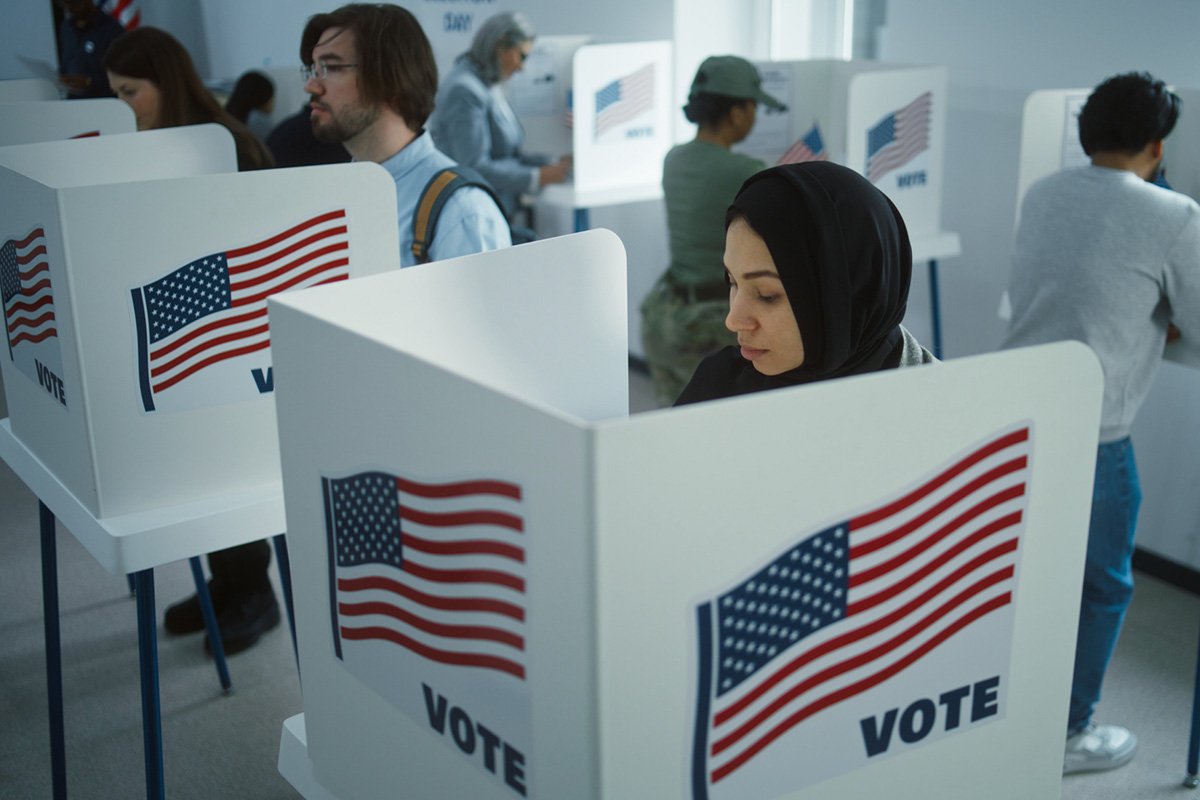
A woman in hijab votes behind a cardboard voting divider in a polling station. Around her are other voters doing the same.
Preserving the body politic against anti-immigration surges...
Katherine Graham
A delicate yellow canary in a hanging metal-barred cage. The cage is suspended by a loop of leather within a coal mine.
North Carolina is the canary in the coalmine for attacks on...
Caitlin Swain and Marcus Bass

Like what you see?

Subscribe to the NPQ newsletter to have our top stories delivered directly to your inbox.

See our newsletters

By signing up, you agree to our privacy policy and terms of use, and to receive messages from NPQ and our partners.

  • About
  • Advertise
  • Careers
  • Contact
  • Copyright
  • Donate
  • Funders
  • Editorial Policy
  • Media Relations
  • Privacy Policy
  • Submissions

We are using cookies to give you the best experience on our website.


Nonprofit Quarterly | Civic News. Empowering Nonprofits. Advancing Justice.
Powered by  GDPR Cookie Compliance
Privacy Overview

This website uses cookies so that we can provide you with the best user experience possible. Cookie information is stored in your browser and performs functions such as recognising you when you return to our website and helping our team to understand which sections of the website you find most interesting and useful.

Strictly Necessary Cookies

Strictly Necessary Cookie should be enabled at all times so that we can save your preferences for cookie settings.