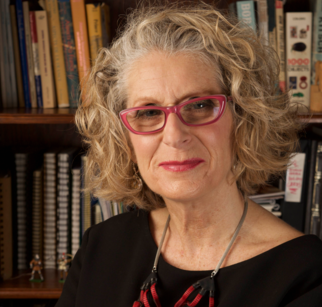


Simone P. Joyaux, ACFRE is recognized internationally as an expert in fund development, board and organizational development, strategic planning, and management. She is the founder and director of Joyaux Associates. Visit her website here.
Stop thinking that the principal focus of your board is fundraising. Please. Stop it right now!
Over and over, I hear staff talking about their boards and fundraising. Staff want the board to give more. To help identify and solicit major donors. To participate in fundraising events. To use their connections to get money. In summary, staff expect the board to focus a lot on fundraising. And that typically means that staff want board members with the capacity to give (and give significantly). And staff want board members with good connections.
But wait. There’s some confusion here.
The board is accountable for corporate governance. Corporate governance is the process whereby a group of individuals (e.g., the board) ensures the health and effectiveness of the organization. Corporate governance is a collective act and only happens when the board members come together for their meetings. Read the Role of the Board, posted in the Free Download Library on my website.
To fulfill its “due diligence obligation” for ensuring corporate health and effectiveness, the board needs people with specific skills and behaviors. Skills like financial expertise and governance expertise, legal and accounting expertise, and more. See the Inventory of Skills for the Board as well as the Composition Policy, both posted in my Free Download Library.
Sign up for our free newsletters
Subscribe to NPQ's newsletters to have our top stories delivered directly to your inbox.
By signing up, you agree to our privacy policy and terms of use, and to receive messages from NPQ and our partners.
To ensure that the due diligence obligation is observed, the board needs to be composed of diverse individuals. Diversity comes from experiencing life differently. Experiencing life differently results from such particulars as gender, generation, class, socioeconomic status, sexual orientation, and more. That diversity of life experience causes people to think differently, to ask different questions, and to challenge assumptions. And that’s what makes a good board.
Stop focusing on fundraising for your board. Your board focuses on corporate governance. Only one part of corporate governance focuses on financing, i.e., ensuring the financial integrity and sustainability of the institution.
How does the board ensure the institution’s financial integrity and sustainability as articulated in its job description? The board adopts a budget and fund development plan. The board reviews the audit. The board talks about fund development results, trends, and implications. The board adopts policies that define the role of board members in fund development. See this outlined in the Due Diligence Plan, posted in my Free Download Library.
And board members—not “the board”—participate in the fund development process. Yes, board members. There’s a big difference between the board and the board member. Please do not confuse the two. See the Board Member Performance Expectations, posted in my Free Download Library.
Every single board member can help with fund development—but only if you, the staff, enable them well. Every single board member can be successful in fund development—but only if you, the staff, understand that fund development is not about money. Rather, fund development focuses on helping donors and prospects fulfill their aspirations.
Create a menu of choices for your board members. Effectively enable your board members. See my bookStrategic Fund Development: Building Profitable Relationships That Last(Third Edition, 2011) for details and for examples of how to enable them.
And stop thinking that your board and/or your board members exist to help fundraise. Stop that right now!