logo logo
Fund the truth. #Wethecivic giving banner
Donate
    • Membership
    • Donate
  • Social Justice
    • Racial Justice
    • Climate Justice
    • Disability Justice
    • Economic Justice
    • Food Justice
    • Health Justice
    • Immigration
    • LGBTQ+
  • Civic News
  • Nonprofit Leadership
    • Board Governance
    • Equity-Centered Management
    • Finances
    • Fundraising
    • Human Resources
    • Organizational Culture
    • Philanthropy
    • Power Dynamics
    • Strategic Planning
    • Technology
  • Columns
    • Ask Rhea!
    • Ask a Nonprofit Expert
    • Gathering in Support of Democracy
    • Humans of Nonprofits
    • The Impact Algorithm
    • Living the Question
    • Nonprofit Hiring Trends & Tactics
    • Notes from the Frontlines
    • Parables of Earth
    • Reimagining Philanthropy
    • State of the Movements
    • We Stood Up
    • The Unexpected Value of Volunteers
  • Newsletters
  • NPQ Online Events
    • Premium Webinars
    • Learn Out Loud
    • Partner Events
    • On Demand
  • Leading Edge Membership

Milwaukee Arts Funding: A Debate Between Davids and Goliaths?

Rob Meiksins
October 5, 2012

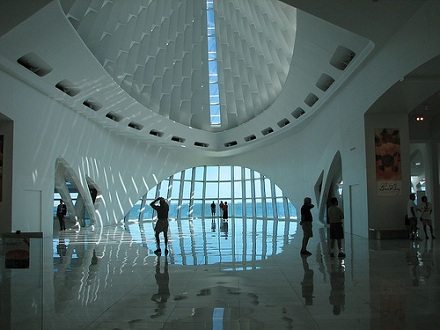
MAM

September 7, 2012; Source: Milwaukee Business Journal

In the Milwaukee arts world, Goliath venues are finding new support while the Davids of the arts scene are facing severe funding loss. Two studies in Milwaukee are looking at public support for the arts from very different angles. One, as reported in an opinion piece in the Milwaukee Business Journal, is to be conducted by a nonpartisan research firm and has been commissioned by the local tourism bureau (Spirit of Milwaukee).

According to the editorial, major arts venues located on county-owned facilities, including the Milwaukee Art Museum, the Public Museum, and Discovery World (a science museum), are about to launch a coordinated group capital campaign that some expect to include a target of more than $50 million. The study will look into a variety of alternate funding options including the potential of creating a dedicated arts sales tax—this at a time when “tax” has become a four-letter word. The Business Journal opinion piece suggests that these major arts venues need support but that there is not enough in charitable contributions to go around, concluding that the study will be a good way to start exploring how these major arts venues can get what they need.

Sign up for our free newsletters

Subscribe to NPQ's newsletters to have our top stories delivered directly to your inbox.

By signing up, you agree to our privacy policy and terms of use, and to receive messages from NPQ and our partners.

At the other end of the spectrum, a report that has just been released by the Nonprofit Management Fund and Management Cornerstones has identified many very significant challenges for small nonprofit performing arts organizations (such as the African-American Children’s Theatre, one of the few remaining theatre companies for people of color of any age that remain in Milwaukee, and Early Music Now, an organization bringing early Renaissance music and traditional instruments to venues around the city).

On the whole, there is support for the arts in Milwaukee, much of it through the United Performing Arts Fund (UPAF). But UPAF supports only a limited number of very well established performing arts groups, not the small, more experimental organizations, and the report notes that some community leaders feel that “there should be fewer small arts organizations.” In addition, the report found that some organizations perceive a racial bias in support for the arts, while some civic leaders have said that “nonprofit arts organizations need an entirely different business model,” although specifics on such a new model were few.

Are there really too many small performing arts organizations in Milwaukee? Would it make sense to let the market decide? Should those funders who are being asked to help support the arts in the community take it upon themselves to determine which organizations can thrive and which cannot? –Robert Meiksins


Our Voices Are Our Power.

Journalism, nonprofits, and multiracial democracy are under attack. At NPQ, we fight back by sharing stories and essential insights from nonprofit leaders and workers—and we pay every contributor.

Can you help us protect nonprofit voices?

Your support keeps truth alive when it matters most.
Every single dollar makes a difference.

Donate now
logo logo logo logo logo
About the author
Rob Meiksins

Rob has served in the nonprofit sector for over 30 years in roles ranging from intern to program manager, executive director to board director, and consultant. Starting out in professional theatre in New York City, Rob moved to Milwaukee to work with Milwaukee Rep as the dramaturg. Later, he started to work more and more helping people and organizations in the nonprofit sector articulate, and then take the next step towards their vision. Currently he is working on a new effort to establish an intentional process for nonprofits to identify their capacity-building needs and then learn about and implement the tools that will help. Ideally this is a partnership between nonprofits, consultants, and the philanthropic community to strengthen the sector we all see as critical.

More about: Capital CampaignsNonprofit NewsPartnershipsPhilanthropy
See comments

Sidebar-WTC
You might also like
How Can Conservation Programs Better Connect to Farmers?
Jaycie Thomsen
How America’s Independence from England Revolutionized US Philanthropy
Amanda Moniz
The Boardroom Belongs to the Community
Kristin Lincoln
The Protesters Know Something Philanthropy Doesn’t
Bia Vieira
Built for a Time Such as This: How ABFE Used a Tumultuous Time in History to Uplift Its Community
Chelsea Crandall
Rethinking Wealth and How We Deploy It—Strategically
Rebecca Vilkomerson and Chanelle Gallant

Upcoming Webinars

Group Created with Sketch.
June 25, 2:00 pm ET

Reframing Organizational Risk

Register
Group Created with Sketch.
July 16, 2:00 pm ET

Readying for the 2026 Midterms

How 501(c)(3)s Can Educate and Advocate During this Election Season

Register

    
You might also like
How Can Conservation Programs Better Connect to Farmers?
Jaycie Thomsen
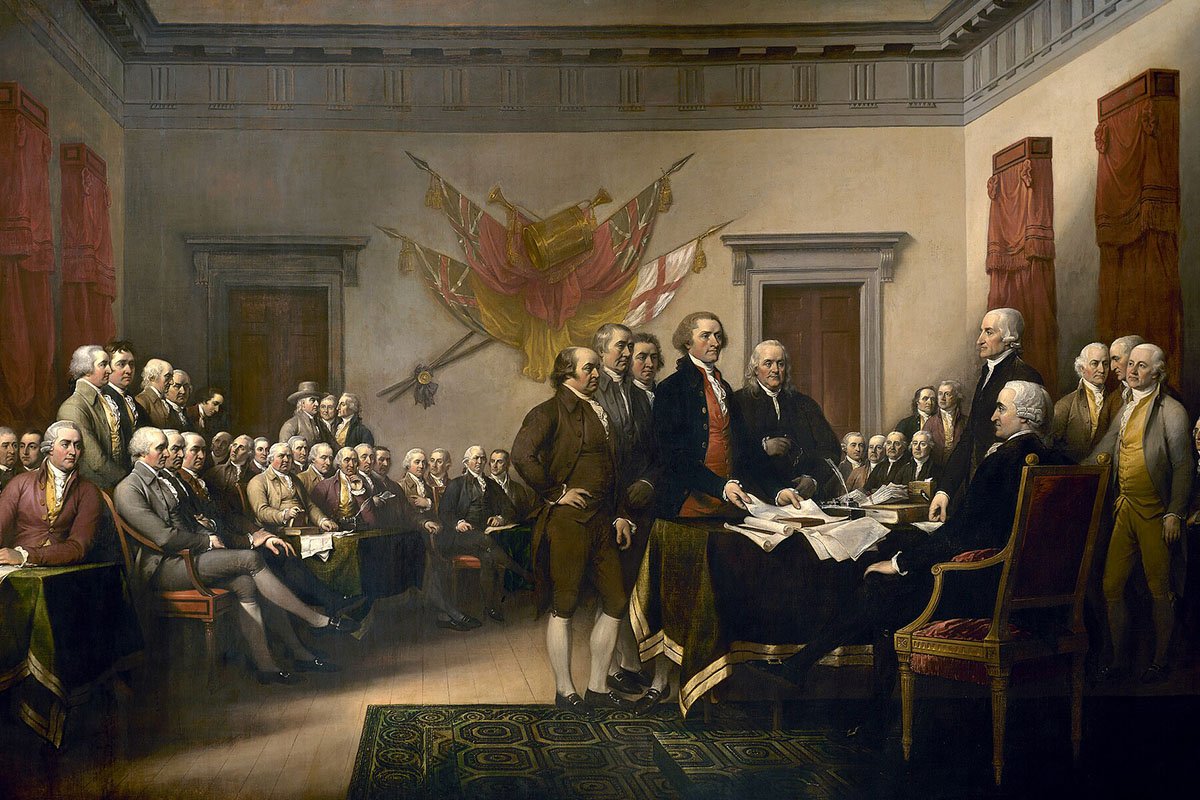
John Trumbull's painting, Declaration of Independence, depicting the five-man drafting committee of the Declaration of Independence presenting their work to the Congress.
How America’s Independence from England Revolutionized US...
Amanda Moniz
A single yellow rubber duck standing out in front of many identical rubber ducks.
The Boardroom Belongs to the Community
Kristin Lincoln

Like what you see?

Subscribe to the NPQ newsletter to have our top stories delivered directly to your inbox.

See our newsletters

By signing up, you agree to our privacy policy and terms of use, and to receive messages from NPQ and our partners.

  • About
  • Advertise
  • Careers
  • Contact
  • Copyright
  • Donate
  • Editorial Policy
  • Funders
  • Media Relations
  • Privacy Policy
  • Submissions

We are using cookies to give you the best experience on our website.


Nonprofit Quarterly | Civic News. Empowering Nonprofits. Advancing Justice.
Powered by  GDPR Cookie Compliance
Privacy Overview

This website uses cookies so that we can provide you with the best user experience possible. Cookie information is stored in your browser and performs functions such as recognising you when you return to our website and helping our team to understand which sections of the website you find most interesting and useful.

Strictly Necessary Cookies

Strictly Necessary Cookie should be enabled at all times so that we can save your preferences for cookie settings.