logo logo
Donate
    • Membership
    • Donate
  • Social Justice
    • Racial Justice
    • Climate Justice
    • Disability Justice
    • Economic Justice
    • Food Justice
    • Health Justice
    • Immigration
    • LGBTQ+
  • Civic News
  • Nonprofit Leadership
    • Board Governance
    • Equity-Centered Management
    • Finances
    • Fundraising
    • Human Resources
    • Organizational Culture
    • Philanthropy
    • Power Dynamics
    • Strategic Planning
    • Technology
  • Columns
    • Ask Rhea!
    • Ask a Nonprofit Expert
    • Gathering in Support of Democracy
    • Hope in the Dark
    • Humans of Nonprofits
    • Inside the States
    • In Defense of Civil Society
    • The Myth of Heroic Leadership
    • Notes from the Frontlines
    • Notes from the Long Arc
    • Reimagining Philanthropy
    • The Unexpected Value of Volunteers
    • We Stood Up
  • Newsletters
  • NPQ Online Events
    • Learn Out Loud
    • Premium Webinars
    • Partner Events
    • On Demand
  • Leading Edge Membership

Where Did Disabled Veterans National Foundation Funds Go?

Aine Creedon
May 9, 2012

Vets

May 8, 2012; Source: CNN

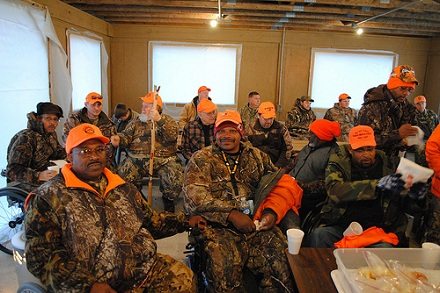
CNN has reported that the Disabled Veterans National Foundation (DVNF) has joined the unfortunately long list of questionable American veterans’ nonprofits. DVNF has accumulated about $56 million in donations since it began in 2007, yet according to the DVNF’s tax filings with the IRS, close to nothing has directly gone to direct services for American veterans. So where are the donations going to if they aren’t going to the individuals the foundation was created to serve?

The Disabled Veterans National Foundation has allegedly spent tens of millions on marketing and has also distributed large shipments of unneeded items to veteran groups such as candy and hand sanitizer bottles. DVNF posted an announcement on their website of “badly needed” goods arriving to veteran aid centers in Birmingham, Ala. J.D. Simpson, who operates the St. Benedict’s veterans’ charity in Birmingham, stated that the packages they received actually consisted of 11,520 bags of coconut M&M’s and 2,200 little bottles of sanitizer, among other unnecessary items.

Sign up for our free newsletters

Subscribe to NPQ's newsletters to have our top stories delivered directly to your inbox.

By signing up, you agree to our privacy policy and terms of use, and to receive messages from NPQ and our partners.

“I ask myself what the heck are these people doing stealing from our veterans because that’s what they are doing,” Simpsons said. “I don’t care how you look at it. These people have sacrificed for our country. And there are some people out there raising money to abuse ‘em and that just makes me mad.”

CharityWatch gave the DVNF an “F” grade based largely on the amount they spend on fundraising as opposed to delivering services. Unfortunately, DVNF is not the only such offender. CharityWatch president Daniel Borochoff notes that thirty veterans organizations were graded for actual donations and two-thirds were given “D” or “F” grades. According to Borochoff, “Up to $2 billion is raised in the name of veterans in this country and it’s so sad that a great deal of it’s wasted.”

NPQ has recently been observing a pattern of sketchy veterans’ organizations being exposed. While we have noted that such cases should not be seen as the norm among veterans’ charities, it is becoming clearer and clearer that the nonprofit sector may not be doing enough to weed out some bad apples. Nonprofits should be doing more for veterans, as should foundations. For more on what they can and should do, see the most recent edition of the Cohen Report. –Aine Creedon


Our Voices Are Our Power.

Journalism, nonprofits, and multiracial democracy are under attack. At NPQ, we fight back by sharing stories and essential insights from nonprofit leaders and workers—and we pay every contributor.

Can you help us protect nonprofit voices?

Your support keeps truth alive when it matters most.
Every single dollar makes a difference.

Donate now
logo logo logo logo logo
About the author
Aine Creedon

Aine Creedon is Nonprofit Quarterly's Director of Digital Operations and has worn many hats at NPQ since 2011. She has extensive experience with social media, communications and outreach in the nonprofit sector, and spent two years in Americorps programs serving with a handful of nonprofits across the nation as well as a community organization in Dorchester, Boston. Aine currently resides in Denver, Colorado where she enjoys volunteering, seeing live music, and hiking with her pups Frida and Tucker.

More about: AccountabilityHuman ServicesNonprofit NewsPolicy
See comments

Sidebar-WTC
You might also like
Advocating for Southeast Asian American Data: The Why and the How
Quyên Đinh
The Gap Between the Spectacle of America 250 and Reality: Lessons from North Carolina’s Fight for Voting Rights
Caitlin Swain and Ashley Marshall
One Year After Unlawful Federal Firings, a New Survey Documents the Damage
Rajeev Tyagi
Nonprofits Should Keep Tracking Workforce Data, Even If EEO-1 Race and Sex Reporting Ends
Jennifer Johnson
Free and Fair Elections Are Under Attack Under the Guise of “Voter Fraud”
Joe Goldman
America at 250 Needs More Than Commemoration. It Needs Civic Listening.
Wei Soo

Upcoming Webinars

Group Created with Sketch.
September 17, 2:00 pm ET

Collaborating with the Enemy

How to Work with People You Don't Agree with or Like or Trust

Register
Group Created with Sketch.
September 22, 2:00 pm ET

Modernizing Your Nonprofit Accounting System

Building Infrastructure That Supports Mission and Financial Sustainability

Register
Group Created with Sketch.
October 29, 2:00 pm ET

Fundraising Trends and Emerging Practices

Register

    
You might also like
A South East Asian woman wearing glasses overlayed with holographic nodes over her face.
Advocating for Southeast Asian American Data: The Why and...
Quyên Đinh
North Carolina’s state capitol building, a stone, rectangular building with four columns and a dome on top. Raleigh, North Carolina.
The Gap Between the Spectacle of America 250 and Reality:...
Caitlin Swain and Ashley Marshall
A young, brown woman with dark hair walks down a hallway in an office building. She is holding a box with her belongings, including some documents and a plant. She has been fired.
One Year After Unlawful Federal Firings, a New Survey...
Rajeev Tyagi

Like what you see?

Subscribe to the NPQ newsletter to have our top stories delivered directly to your inbox.

See our newsletters

By signing up, you agree to our privacy policy and terms of use, and to receive messages from NPQ and our partners.

  • About
  • Advertise
  • Careers
  • Contact
  • Copyright
  • Donate
  • Funders
  • Editorial Policy
  • Media Relations
  • Privacy Policy
  • Submissions

We are using cookies to give you the best experience on our website.


Nonprofit Quarterly | Civic News. Empowering Nonprofits. Advancing Justice.
Powered by  GDPR Cookie Compliance
Privacy Overview

This website uses cookies so that we can provide you with the best user experience possible. Cookie information is stored in your browser and performs functions such as recognising you when you return to our website and helping our team to understand which sections of the website you find most interesting and useful.

Strictly Necessary Cookies

Strictly Necessary Cookie should be enabled at all times so that we can save your preferences for cookie settings.