logo logo
Donate
    • Membership
    • Donate
  • Social Justice
    • Racial Justice
    • Climate Justice
    • Disability Justice
    • Economic Justice
    • Food Justice
    • Health Justice
    • Immigration
    • LGBTQ+
  • Civic News
  • Nonprofit Leadership
    • Board Governance
    • Equity-Centered Management
    • Finances
    • Fundraising
    • Human Resources
    • Organizational Culture
    • Philanthropy
    • Power Dynamics
    • Strategic Planning
    • Technology
  • Columns
    • Ask Rhea!
    • Ask a Nonprofit Expert
    • Economy Remix
    • Gathering in Support of Democracy
    • Humans of Nonprofits
    • The Impact Algorithm
    • Living the Question
    • Nonprofit Hiring Trends & Tactics
    • Notes from the Frontlines
    • Parables of Earth
    • Re-imagining Philanthropy
    • State of the Movements
    • We Stood Up
    • The Unexpected Value of Volunteers
  • CONTENT TYPES
  • Leading Edge Membership
  • Newsletters
  • Webinars

More Children Living in High Poverty Areas, Report Finds

Saras Chung
February 28, 2012

February 2012; Source: Annie E. Casey Foundation

A new report released by the Annie E. Casey Foundation indicates that the chance that a child in the United States will live in an area of concentrated poverty has significantly increased over the last decade. Annie E. Casey Foundation’s KIDS COUNT data profiles the well-being of children and youth across the nation. Reports are designed to provide user-friendly state and county data, helping decision-makers, nonprofits and other advocates understand the challenges and opportunities facing children and youth.

According to the foundation’s KIDS COUNT February Data Snapshot, close to 8 million children are growing up in communities where at least 30 percent of residents live below the federal poverty level. In 2000, the number of children living in high poverty communities was 6.3 million, meaning 1.6 million more children are now living in these high-poverty areas, a 25 percent increase since 2000.

The report emphasizes the serious impact that living in a high-poverty environment can have on the well-being of children. In comparison to children with the same family income who live in more affluent neighborhoods, children from communities that are economically disadvantaged are disproportionately more likely to drop out of school, have difficulties with coursework, suffer from food hardships, and to experience poor health and behavioral issues.

Sign up for our free newsletters

Subscribe to NPQ's newsletters to have our top stories delivered directly to your inbox.

By signing up, you agree to our privacy policy and terms of use, and to receive messages from NPQ and our partners.

Regions in the South and Southwest had the largest proportion of children living in economically disadvantaged neighborhoods. States with the highest rates include Mississippi, New Mexico, Louisiana, Texas and Arizona. Only eight states, Puerto Rico and the District of Columbia experienced declines over this period.

Additionally, the report highlighted that not all children are equally likely to live in areas of concentrated poverty. This report found that African American, American Indian, and Latino children are six to nine times more likely than white children to reside in these neighborhoods.

According to Michael Karpman from the National League of Cities, despite severe pressures on municipal finances in the wake of recession, cities are continuing efforts to reduce concentrated poverty and to help families become economically self-sufficient. Karpman notes that cities play a central role in local, neighborhood-based initiatives that replicate innovative poverty reduction strategies such as those developed by the Harlem Children’s Zone, even when federal Promise Neighborhood funding has not been granted.

According to Laura Speer, associate director for policy reform and data at the Casey Foundation, “Transforming disadvantaged communities into better places to raise children is vital to ensuring the next generation and their families realize their potential.” –Saras Chung


Our Voices Are Our Power.

Journalism, nonprofits, and multiracial democracy are under attack. At NPQ, we fight back by sharing stories and essential insights from nonprofit leaders and workers—and we pay every contributor.

Can you help us protect nonprofit voices?

Your support keeps truth alive when it matters most.
Every single dollar makes a difference.

Donate now
logo logo logo logo logo
About the author
Saras Chung

Saras Chung is a PhD Candidate in Social Work at WashU. She promotes strategies in education for healthy and engaged youth.

More about: Corporations and InequalityEconomic DevelopmentNonprofit NewsPolicy
See comments

You might also like
Disability Groups Are Standing United for Trans Rights. That Hasn’t Always Been the Case.
Sara Luterman
New Student Loan Limits Could Threaten Diversity in Nursing and Public Health Programs
Lauren Nuttall
‘I’m Heartbroken’: Trans Kansans Reckon with Their Driver’s Licenses Being Invalidated
Sherman Smith and Morgan Chilson
After Years of Waiting, She Wanted to Start Gender-Affirming Care. Politics Interfered.
Orion Rummler
In the Face of Authoritarianism, Connection Is Resistance
EJ Juárez
Nonprofits Can Help Fight Trump’s Persecution of Immigrants
Matthew Rozsa

Upcoming Webinars

Group Created with Sketch.
March 26, 2:00 pm ET

Learn Out Loud

How Every Philanthropy, Nonprofit, and Community Member Can Leverage Power in Our Fight Against ICE

Register
Group Created with Sketch.
April 23, 2:00 pm ET

Receiving & Giving Feedback

Essential Practices for Healthy Organizations and Communities

Register

    
You might also like
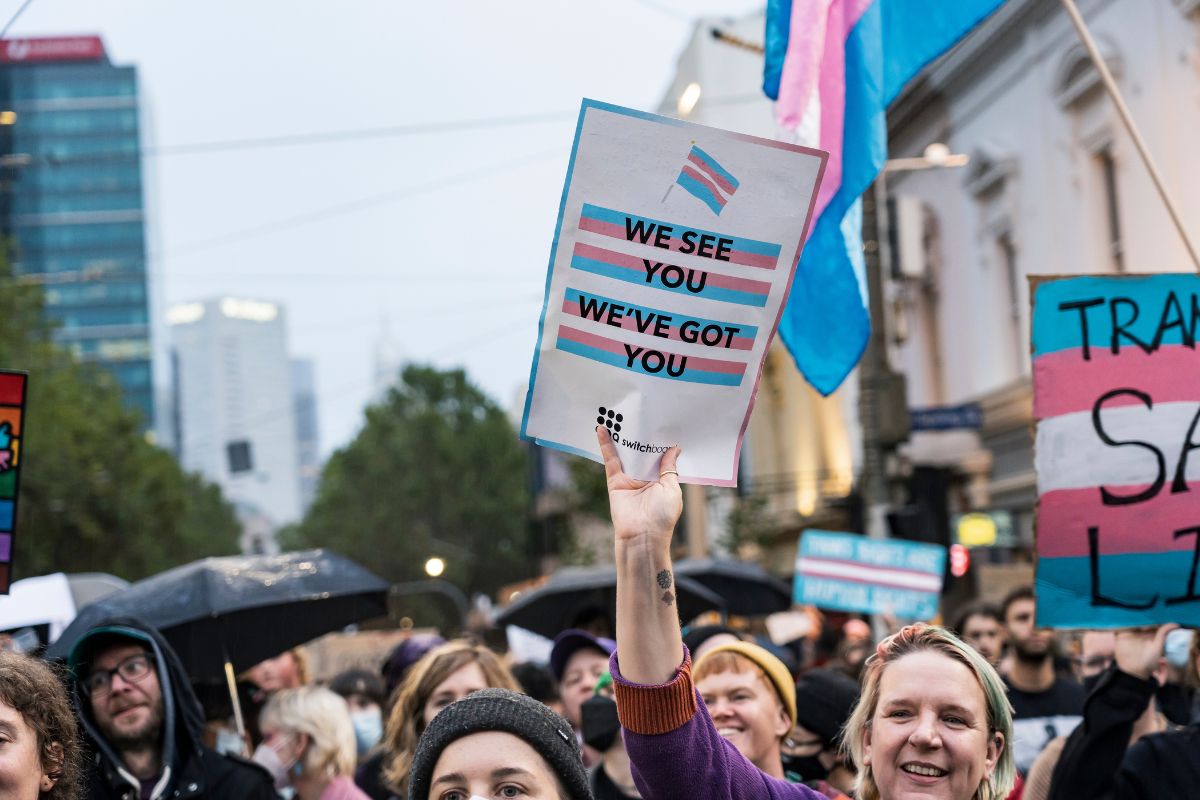
A person at a march holds a sign with the blue, pink, and white trans flag that reads “We See You, We’ve Got You”
Disability Groups Are Standing United for Trans Rights. That...
Sara Luterman
Yellow CLOSED sign hanging in a dusty shop window, conveying themes of business failure, recession, and economic downturn.
Nonprofits in Limbo as Flipcause Bankruptcy Unfolds
Lauren Girardin
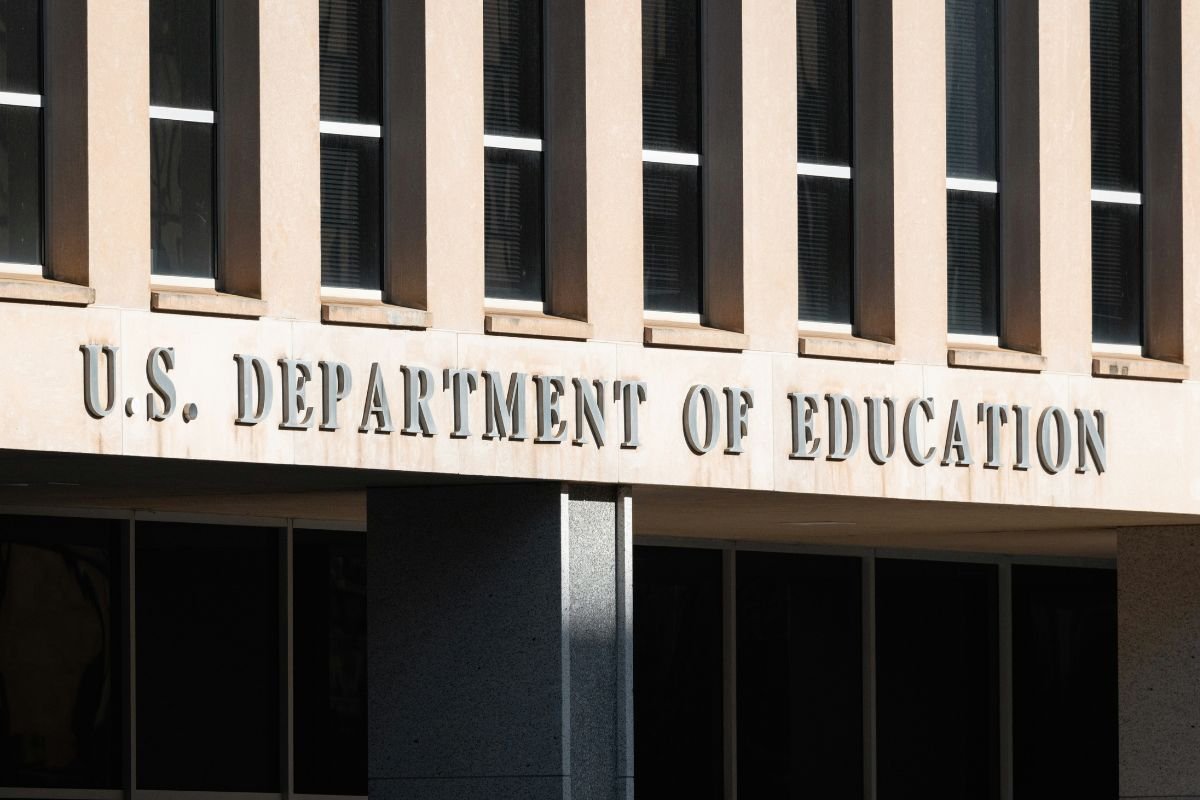
A close shot of the front of the US Department of Education in Washington, DC.
New Student Loan Limits Could Threaten Diversity in Nursing...
Lauren Nuttall

Like what you see?

Subscribe to the NPQ newsletter to have our top stories delivered directly to your inbox.

See our newsletters

By signing up, you agree to our privacy policy and terms of use, and to receive messages from NPQ and our partners.

  • About
  • Advertise
  • Careers
  • Contact
  • Copyright
  • Donate
  • Editorial Policy
  • Funders
  • Submissions

We are using cookies to give you the best experience on our website.


Nonprofit Quarterly | Civic News. Empowering Nonprofits. Advancing Justice.
Powered by  GDPR Cookie Compliance
Privacy Overview

This website uses cookies so that we can provide you with the best user experience possible. Cookie information is stored in your browser and performs functions such as recognising you when you return to our website and helping our team to understand which sections of the website you find most interesting and useful.

Strictly Necessary Cookies

Strictly Necessary Cookie should be enabled at all times so that we can save your preferences for cookie settings.