logo logo
giving banner
Donate
    • Membership
    • Donate
  • Social Justice
    • Racial Justice
    • Climate Justice
    • Disability Justice
    • Economic Justice
    • Food Justice
    • Health Justice
    • Immigration
    • LGBTQ+
  • Civic News
  • Nonprofit Leadership
    • Board Governance
    • Equity-Centered Management
    • Finances
    • Fundraising
    • Human Resources
    • Organizational Culture
    • Philanthropy
    • Power Dynamics
    • Strategic Planning
    • Technology
  • Columns
    • Ask Rhea!
    • Ask a Nonprofit Expert
    • Economy Remix
    • Gathering in Support of Democracy
    • Humans of Nonprofits
    • The Impact Algorithm
    • Living the Question
    • Nonprofit Hiring Trends & Tactics
    • Notes from the Frontlines
    • Parables of Earth
    • Re-imagining Philanthropy
    • State of the Movements
    • We Stood Up
    • The Unexpected Value of Volunteers
  • CONTENT TYPES
  • Leading Edge Membership
  • Newsletters
  • Webinars

Hospitality Houses Packed as Rural Hospital Closings Take Families far from Home

Lauren Karch
April 14, 2017
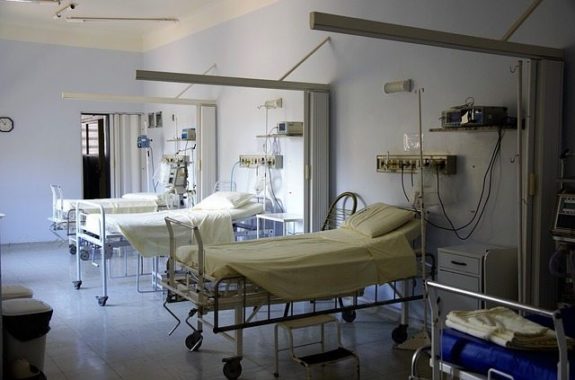
Pixabay. Public domain. [CC 0]

April 13, 2017; KTUL

Hospitality House of Tulsa is a faith-based nonprofit that provides lodging, meals, and other forms of assistance to families facing medical crises, and has served Oklahoma families since 2006. However, the Tulsa-based organization says that the number of families it serves has more than doubled in the past year as Oklahoma’s rural hospital system faces a crisis of its own.

In an interview with Tulsa’s ABC affiliate, Hospitality House’s president, Toni Moore, stated that the organization served 966 families in 2016, nearly twice as many as the year before. The reason, Moore says, lies in the extensive hospital closures happening outside of Oklahoma’s metropolitan areas. As more people are forced to travel to the Tulsa area for healthcare, Moore says, the need for reduced-price hotel stays and other patient-family services skyrockets.

The shortage of rooms at Hospitality House is one symptom of Oklahoma’s rural hospital shortage. A study funded by the National Rural Health Association last year showed that 42 hospitals in Oklahoma are currently at risk of closure. NPQ covered the closure of Sayre Memorial, a hospital located three hours from Tulsa, in last year’s coverage of the rural healthcare shortage. Another Oklahoma hospital, this one in the town of Frederick, closed last month. The closures are largely rooted in financial problems: Over 80 percent of patients at critical access hospitals in the state are on Medicare, according to the Oklahoma State University Center for Rural Health.

Sign up for our free newsletters

Subscribe to NPQ's newsletters to have our top stories delivered directly to your inbox.

By signing up, you agree to our privacy policy and terms of use, and to receive messages from NPQ and our partners.

Medicaid and Medicare reimbursement rates have been slashed in recent years. After the passage of the Affordable Care Act, hospitals across the country were set to face decreased Medicare payments. The ACA figured that improvements to insurance coverage and fewer uninsured patients would make up the difference; however, along with 21 other states, Oklahoma has refused federal funds to expand Medicaid healthcare coverage to low-income uninsured residents. So, Oklahoma hospitals lost out on Medicare reimbursements but didn’t make gains in Medicaid insurance payments. A proposed state bill, the Medicaid Rebalancing Act of 2020, would reduce the uninsured rate through a blend of federal Medicaid funds, tax credits, health incentive-based commercial plans, and a new cigarette tax. However, the bill would only reduce Oklahoma’s uninsured rate—currently 15 percent—by about a third.

Oklahoma isn’t alone in facing the decline of rural hospitals. According to researchers at the University of North Carolina, at least 78 rural hospital closures have occurred in the United States since 2010, representing about four percent of all rural hospitals. As the Washington Post noted earlier this week, the loss of a hospital in a rural community doesn’t just affect convenience. These closures reduce patient safety, affect emergency preparedness, and cut jobs in areas already hard-hit by economic insecurity.

Hospitality House continues to work with Tulsa hospitals to expand the number of families served. Last year, the nonprofit began a private-nonprofit partnership, guaranteeing 10 rooms per night at a local DoubleTree Inn. The Hospitality House’s waitlist still averages 10 families per day.—Lauren Karch


Our Voices Are Our Power.

Journalism, nonprofits, and multiracial democracy are under attack. At NPQ, we fight back by sharing stories and essential insights from nonprofit leaders and workers—and we pay every contributor.

Can you help us protect nonprofit voices?

Your support keeps truth alive when it matters most.
Every single dollar makes a difference.

Donate now
logo logo logo logo logo
About the author
Lauren Karch

Lauren has worked on outreach campaigns for a variety of non-profit and governmental organizations. She currently serves on the board of the Association of Ohio Recyclers, a conservancy nonprofit.

More about: Equity-Centered ManagementHealth EquityNonprofit NewsNonprofit SectorPolicyRural Voices
See comments

You might also like
Nonprofits Devise Creative Solutions to Address Federal Funding Cuts
Vicki Pozzebon
Does Personal Investment Hurt Fundraising?
Rochelle Jerry
The Silent “Cinderella” Disease
Rebecca L. Root
Can the Fight Against AI Revitalize the US Labor Movement?
Ted Siefer
On the Oracle Alice Wong, Disability, and Community
Alison Stine
The Deadly Combination of Pregnancy and Rural Living in the United States
Janelle Carlson

Upcoming Webinars

Group Created with Sketch.
January 29th, 2:00 pm ET

Participatory Decision-making

When & How to Apply Inclusive Decision-making Methods

Register
Group Created with Sketch.
February 26th, 2:00 pm ET

Understanding Reduction in Force (RIF) Law

Clear Guidance for Values-centered Nonprofits

Register

    
You might also like
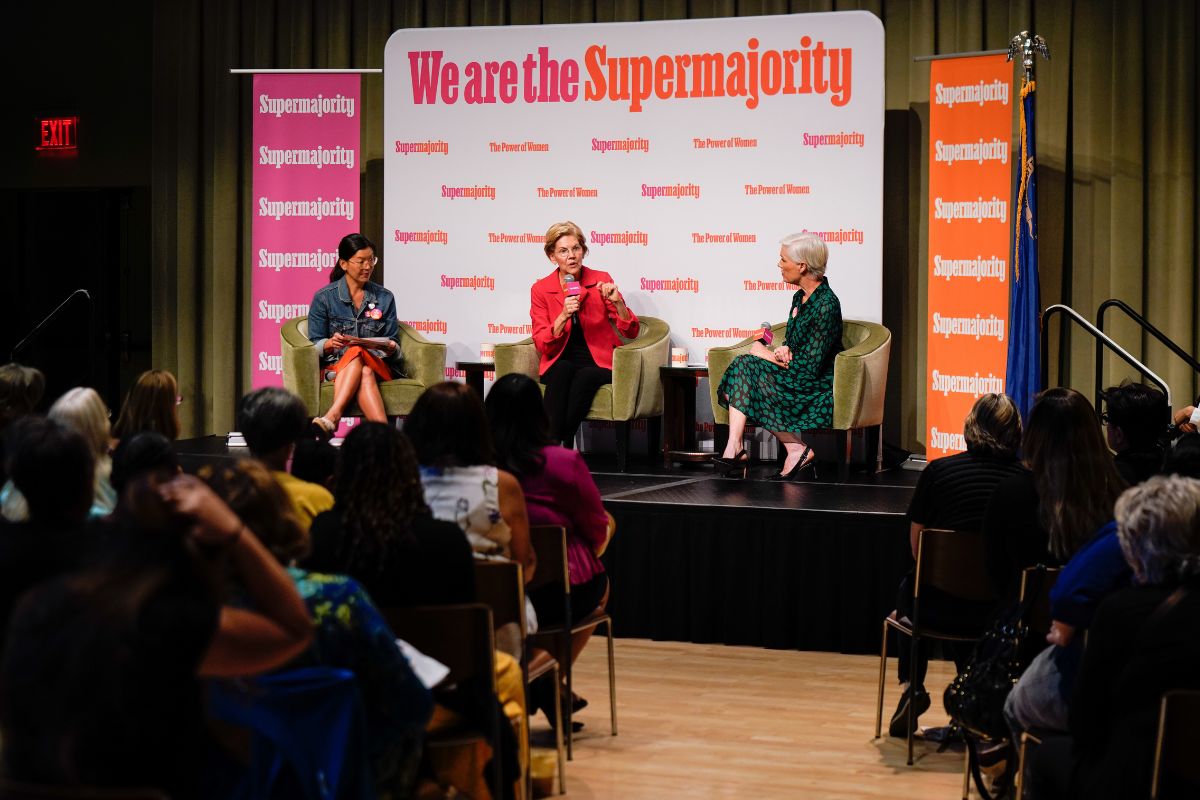
Senator Elizabeth Warren speaks into a microphone in front of a sign reading "We are the Supermajority" while an audience listens.
Supermajority, Group Organizing Women Around Politics, Is...
Jennifer Gerson
Rows of scissors lined up against a yellow background, representing federal funding cuts.
Nonprofits Devise Creative Solutions to Address Federal...
Vicki Pozzebon
A wooden bridge leading to an forested area, representing how personal investment should be a bridge, not a business model.
Does Personal Investment Hurt Fundraising?
Rochelle Jerry

Like what you see?

Subscribe to the NPQ newsletter to have our top stories delivered directly to your inbox.

See our newsletters

By signing up, you agree to our privacy policy and terms of use, and to receive messages from NPQ and our partners.

  • About
  • Advertise
  • Careers
  • Contact
  • Copyright
  • Donate
  • Editorial Policy
  • Funders
  • Submissions

We are using cookies to give you the best experience on our website.


Nonprofit Quarterly | Civic News. Empowering Nonprofits. Advancing Justice.
Powered by  GDPR Cookie Compliance
Privacy Overview

This website uses cookies so that we can provide you with the best user experience possible. Cookie information is stored in your browser and performs functions such as recognising you when you return to our website and helping our team to understand which sections of the website you find most interesting and useful.

Strictly Necessary Cookies

Strictly Necessary Cookie should be enabled at all times so that we can save your preferences for cookie settings.