logo logo
giving banner
Donate
    • Membership
    • Donate
  • Social Justice
    • Racial Justice
    • Climate Justice
    • Disability Justice
    • Economic Justice
    • Food Justice
    • Health Justice
    • Immigration
    • LGBTQ+
  • Civic News
  • Nonprofit Leadership
    • Board Governance
    • Equity-Centered Management
    • Finances
    • Fundraising
    • Human Resources
    • Organizational Culture
    • Philanthropy
    • Power Dynamics
    • Strategic Planning
    • Technology
  • Columns
    • Ask Rhea!
    • Ask a Nonprofit Expert
    • Economy Remix
    • Gathering in Support of Democracy
    • Humans of Nonprofits
    • The Impact Algorithm
    • Living the Question
    • Nonprofit Hiring Trends & Tactics
    • Notes from the Frontlines
    • Parables of Earth
    • Re-imagining Philanthropy
    • State of the Movements
    • We Stood Up
    • The Unexpected Value of Volunteers
  • CONTENT TYPES
  • Leading Edge Membership
  • Newsletters
  • Webinars

Nonprofit Newswire | Hidden Hazards for Your Nonprofit on Facebook

James David Morgan
May 18, 2010

May 17, 2010; Source: Web Strategy | Facebook’s privacy policies have raised concern from individuals and organizations alike, and, more than once, we’ve warned about the effect that these changes can have on your social media presence. But social media is about more than who owns what data, it’s also about control, and as an organization, no doubt you are interested in preserving what gets communicated about your mission and how word is spread. That’s why it’s important to connect with your constituents online, right? They know best how to tell your story, to each other, the public, and funders—all the more reason to be where they are, and engage them about your work.

Facebook’s community pages address that concern by taking one step forward and two steps back. These are like the pages created by nonprofits and others where, in past days, you could become a fan of the organization. Building on that model, Facebook began pulling in other information—Wikipedia entries, Facebook posts mentioning the organization, etc.—into a central location, and called it a community page. The pages are created by Facebook if your organization doesn’t already have a page.

This is one step forward because the community pages increase visibility for your nonprofit. If somebody had mentioned your organization in their profile, Facebook automatically linked the mention to your organization’s page. Particularly universities benefit here, as most users have entered their alma mater.

Sign up for our free newsletters

Subscribe to NPQ's newsletters to have our top stories delivered directly to your inbox.

By signing up, you agree to our privacy policy and terms of use, and to receive messages from NPQ and our partners.

Where the community pages go wrong is in confusing users. Social media resource site All Facebook points out that these automatically created pages result in much duplication. Imagine, for example, that you’re us. A subscriber to our magazine might mention that they like NPQ on their profile, or they could enter “Nonprofit Quarterly,” or “Non Profit Quarterly” in their profile. If Facebook users do this, each of those three pages will start grabbing info about our magazine, publishing it in many places, unknown to us and our other readers.

While it is great to get the exposure, the downside is that if an organization doesn’t know what’s being said about it, the staff can’t reply. A post to an automatically-generated community page could go unanswered, as the organization might never see it. If it was a major donor, that could be a blow to your bottom line. Before that happens, review this article about the hazards of managing your Facebook communications, and ensure you’re doing your due diligence to communicate your mission in that environment.—James David Morgan


Our Voices Are Our Power.

Journalism, nonprofits, and multiracial democracy are under attack. At NPQ, we fight back by sharing stories and essential insights from nonprofit leaders and workers—and we pay every contributor.

Can you help us protect nonprofit voices?

Your support keeps truth alive when it matters most.
Every single dollar makes a difference.

Donate now
logo logo logo logo logo
See comments

You might also like
Facebook and Volunteerism: What Are Some Tricks of the Trade?
Jan Masaoka
#WeTheCivic: “America’s” Stories Can’t Be Told Without Us 
Sara Hudson
In Hortman Killing, an Opportunity for Right-Wing Disinformation
Isaiah Thompson
As Long as Social Media Is Around, Can We Really Break Free of Overconsumption?
Anmol Irfan
Building #Blacksky
Isaiah Thompson
X, Formerly Twitter, Sues Group Calling Out Hate Speech on Platform
Isaiah Thompson

Upcoming Webinars

Group Created with Sketch.
January 29th, 2:00 pm ET

Participatory Decision-making

When & How to Apply Inclusive Decision-making Methods

Register
Group Created with Sketch.
February 26th, 2:00 pm ET

Understanding Reduction in Force (RIF) Law

Clear Guidance for Values-centered Nonprofits

Register

    
You might also like
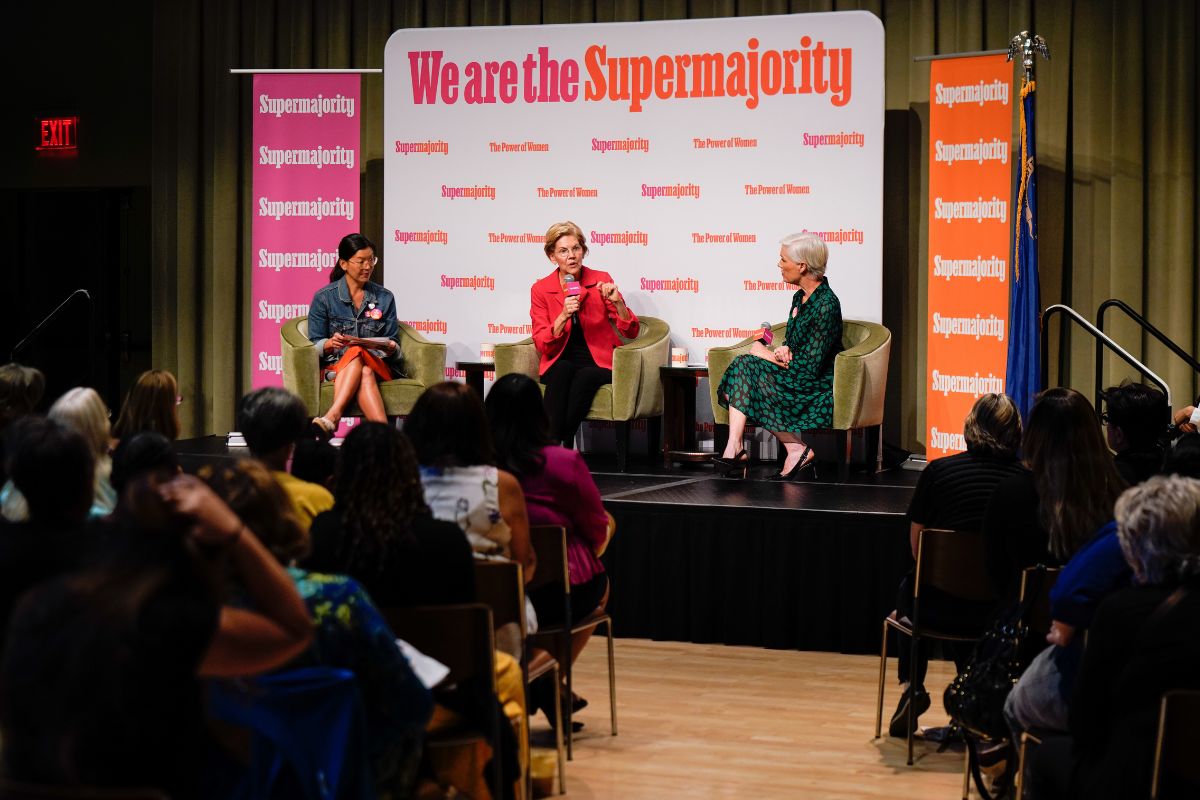
Senator Elizabeth Warren speaks into a microphone in front of a sign reading "We are the Supermajority" while an audience listens.
Supermajority, Group Organizing Women Around Politics, Is...
Jennifer Gerson
A red circle overlayed on a yellow background with three multi-colored dots on each side. In the center it reads, " Isaiah Thompson: Staff Picks for 2025"
Staff Picks for 2025: Isaiah Thompson
Isaiah Thompson
Staff Picks for 2025: Steve Dubb
Steve Dubb

Like what you see?

Subscribe to the NPQ newsletter to have our top stories delivered directly to your inbox.

See our newsletters

By signing up, you agree to our privacy policy and terms of use, and to receive messages from NPQ and our partners.

  • About
  • Advertise
  • Careers
  • Contact
  • Copyright
  • Donate
  • Editorial Policy
  • Funders
  • Submissions

We are using cookies to give you the best experience on our website.


Nonprofit Quarterly | Civic News. Empowering Nonprofits. Advancing Justice.
Powered by  GDPR Cookie Compliance
Privacy Overview

This website uses cookies so that we can provide you with the best user experience possible. Cookie information is stored in your browser and performs functions such as recognising you when you return to our website and helping our team to understand which sections of the website you find most interesting and useful.

Strictly Necessary Cookies

Strictly Necessary Cookie should be enabled at all times so that we can save your preferences for cookie settings.