The 50,000 street vendors in Los Angeles have often been at best an afterthought in the city’s economic development strategy. But vendors are organizing to change that.
How Street Vendors Can Build a Just Economy: Lessons from Los Angeles
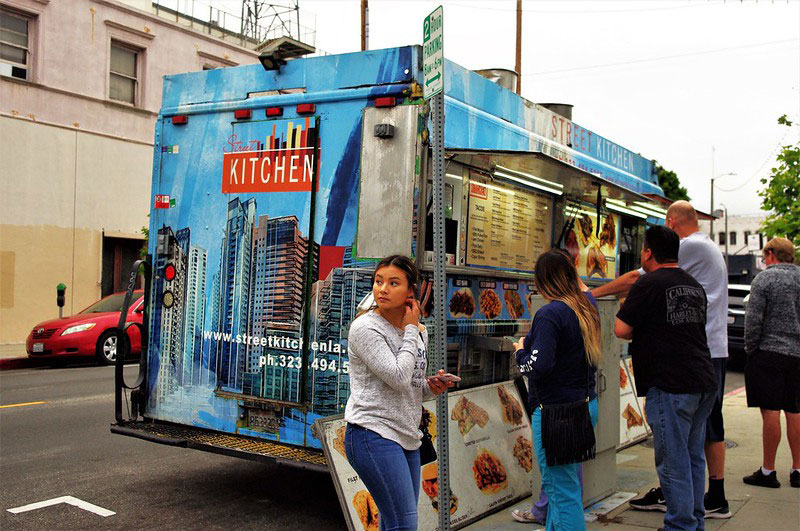



The 50,000 street vendors in Los Angeles have often been at best an afterthought in the city’s economic development strategy. But vendors are organizing to change that.

The events of the past year have deeply affected the Latinx community. One lesson: achieving economic justice requires supporting new approaches and new leaders.

Union co-ops—that is, worker co-ops linked to unions—open a path to a solidarity economy of interconnected worker-owned cooperatives.
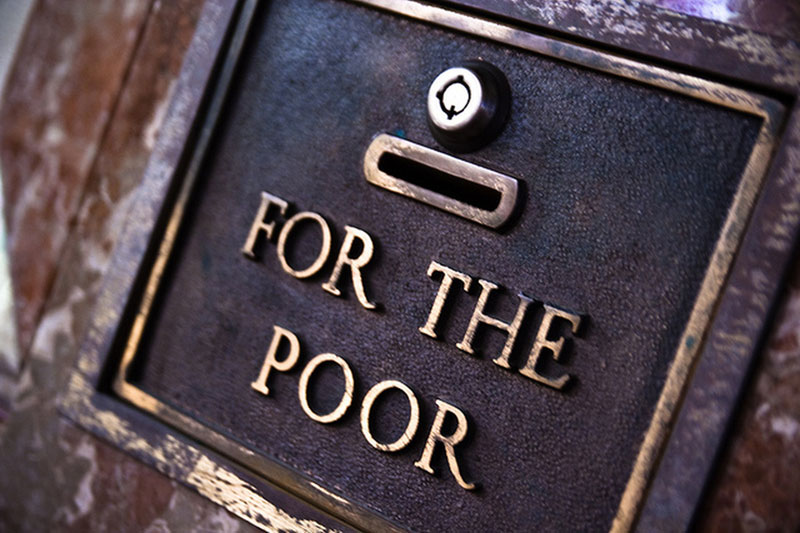
Many billionaires who’ve signed the “Giving Pledge” have seen their net worth rise. But there is a serious path for them to give away their money, if they commit to doing so.

Addressing burnout is key to advancing long-term social change.

Reactionary white backlash is predictable, but racial burnout from it is not inevitable.

Most studies of billionaire wealth have focused on tech titans. But much of the billionaire class relies on wealth it inherited long before the tech boom.

The recent infrastructure bill may have the benefit of being bipartisan. But it is also far from adequate to meet the nation’s infrastructure needs.

In this brief video clip, Emily Kawano explains how a solidarity-based approach to the economy can help ensure automation supports livelihoods rather than upending them.

A group of conspirators in Boston adapted during peak shelter-in-place to create a virtual co-working space that not only kept tasks flowing but provided important connection.

Pillars’ Arij Mikati and Kalia Abiade discuss Missing and Maligned: The Reality of Muslims in Popular Global Movies, their recent study on Muslim representation.

Leadership development is vital. But professional development often just checks boxes, when one size does not fit all. A more flexible approach is required.