The controversial conservative agenda known as Project 2025 isn’t going anywhere.
Project 2025 Is Not Dead: Here’s Why




The controversial conservative agenda known as Project 2025 isn’t going anywhere.
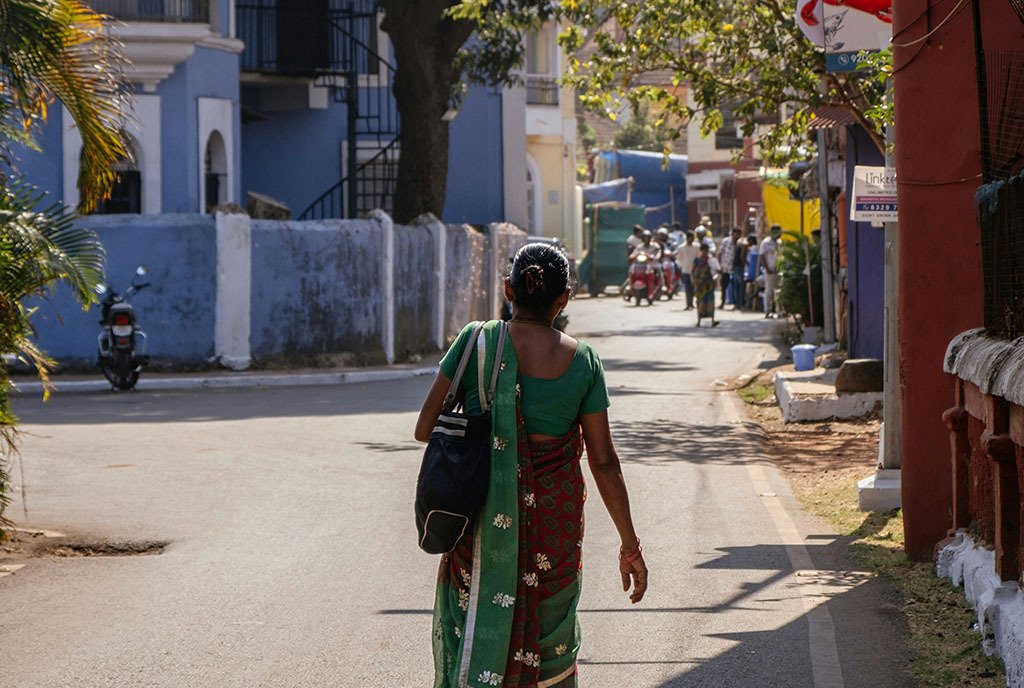
Extreme heat killed dozens during India’s recent elections, but dangerously high temperatures can also affect voter turnout, influence political preferences—and dictate election results.

In Washington, DC, a tenant opportunity to purchase law has helped tenants preserve more than 16,000 units of affordable housing. It helps build communities too.
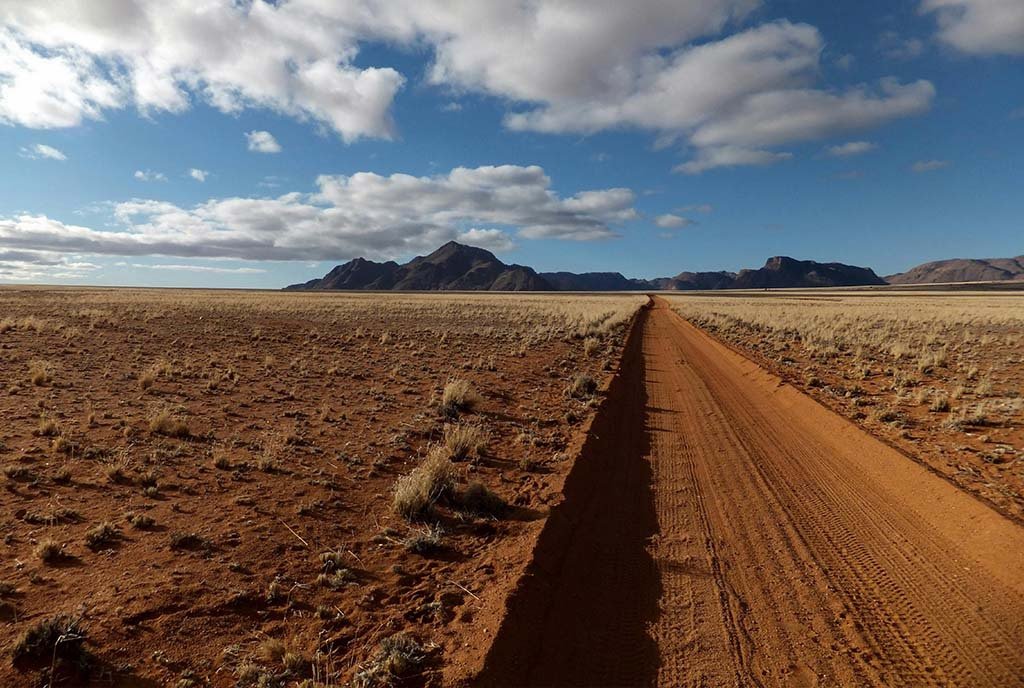
How do Black and Indigenous communities regain ownership of land? One critical step is gaining control of capital to finance community-based land and business ownership.

Imagine a world in which our money is used to build affordable housing, fix our schools, and heal our environment instead of lining the pockets of Wall Street financiers and billionaires. Such a world is within our reach—if we dare to fight for it.

To build beyond corporate capture means transforming every aspect of our economy that is currently controlled by the drive to enrich corporations at the expense of everyday people. This means that a world free of corporate capture is everywhere, in plain sight.

PFAS (per- and polyfluoroalkyl substances) are in hundreds of consumer goods, as well as our water, and our bodies. These nearly indestructible manmade chemicals pose a significant threat to communities across the globe.
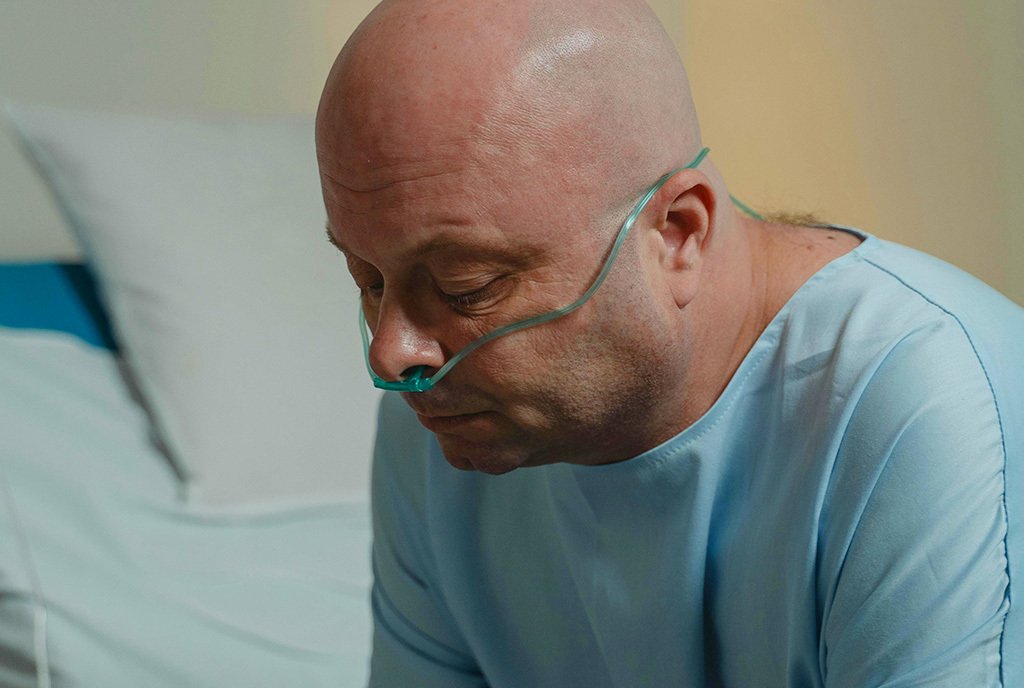
Current research suggests that Generation X could have higher rates of cancer than any previous generation.
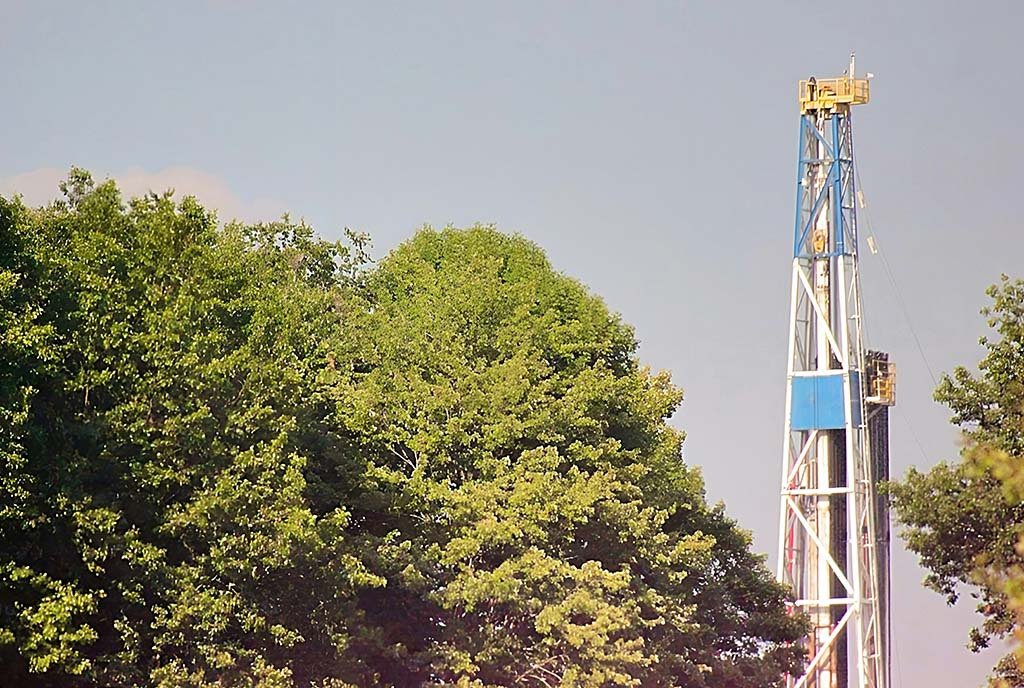
It’s been difficult to win against the oil and gas industry in court, but the presence of radium may change that.
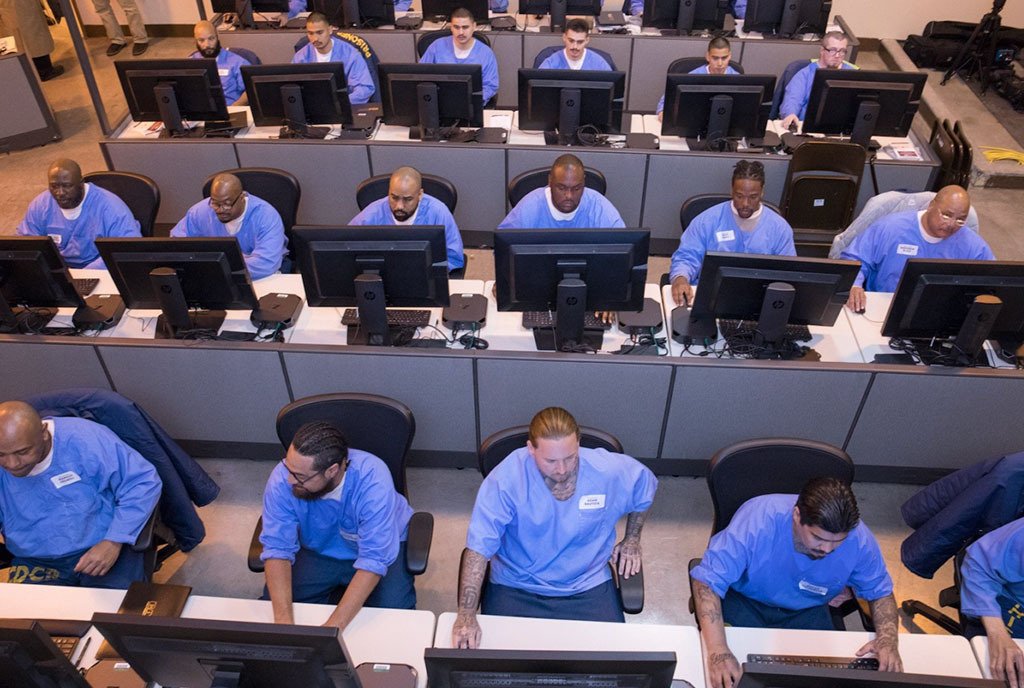
The Last Mile, a California-based nonprofit, provides incarcerated individuals with the training and skills to better prepare them to survive and thrive once released in an effort to combat recidivism.

A solidarity economy will not be built in a day. But nonprofits and philanthropy, through nonextractive investments that support a just transition, can make a difference.

In St. Paul, more than 200 Black co-op activists gathered this June to build a national network to advance policy and connect Black co-op members across the country.