This story was co-published and supported by the Economic Hardship Reporting Project.
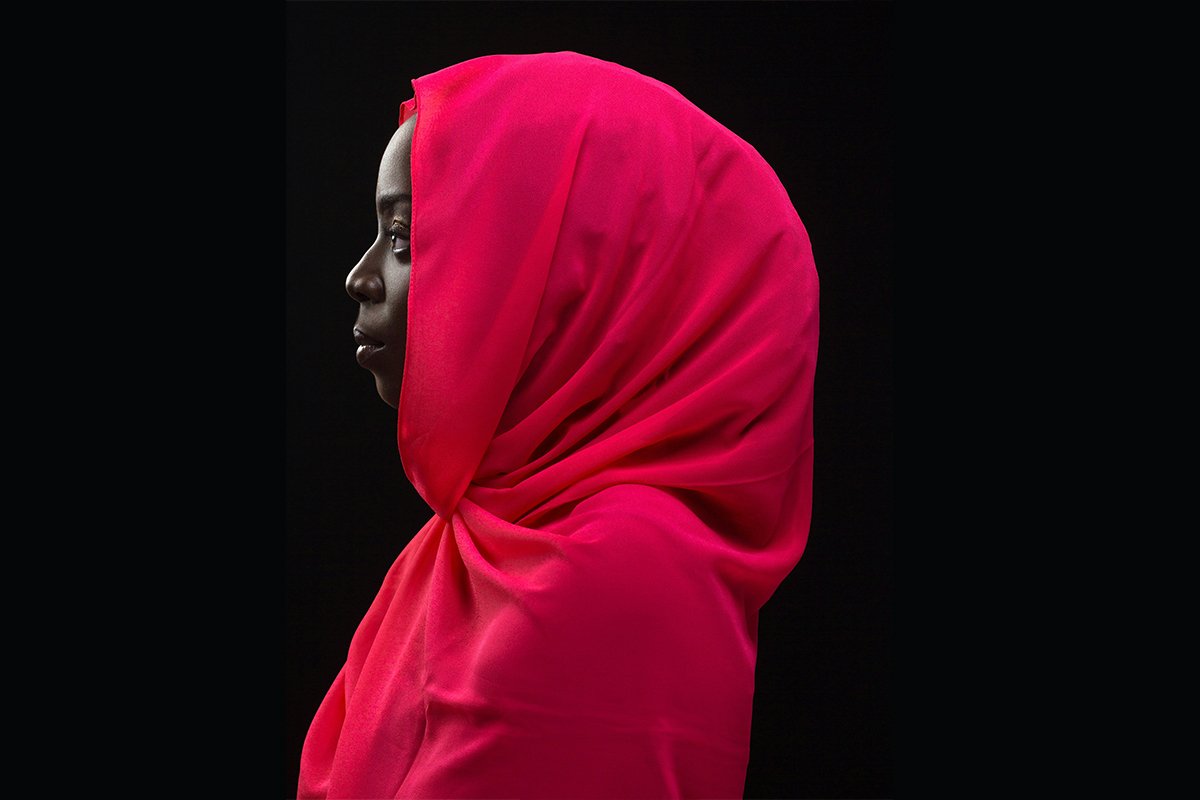
Aisha didn’t know it yet, but by the time she reached the hospital, it was too late. After more than a week of struggling to access maternal care—long drives to a distant clinic, confusing insurance forms, and even longer drives to the hospital—she miscarried the pregnancy she had longed for. Aisha, who is using only her first name for safety reasons, made the long drive home alone. Many other rural women in Texas never return home at all.
For pregnant people like Aisha who are poor, live in rural areas, and speak limited English, the odds are stacked against them. And the risks are about to get worse: Looming Medicaid cuts threaten rural hospitals specifically, as 47 percent of births in rural areas are covered by Medicaid.
That could mean even more preventable deaths in places like Texas, where an outsized rural population must contend with vast maternal care deserts, restrictive abortion laws, and, as a consequence, the country’s highest number of childbirth-related deaths over the five years between 2018 and 2022.
All across the United States, pregnancy and rural living has proved to be a deadly combination. Pregnant people in rural areas are twice as likely to have complications than their urban counterparts. These people, like Aisha, have to travel up to 100 miles to access care due to a lack of availability. And this lack of healthcare access kills.
Lack of Access
Maternal care deserts are an issue of infrastructure. New laws around abortion make the legal infrastructure unclear and are, in effect, creating maternal care deserts in both rural and urban areas. And a lack of obstetricians, maternity wards, birth centers, or midwives in especially in rural areas exacerbate the challenges to care and cause more deaths.
Rural places have fewer hospitals than urban areas and are also more likely to have hospitals at risk of closing. Existing rural hospitals may not be able to maintain their maternity wards.
States that have adopted new abortion bans have seen that care may be delayed as hospitals accommodate these laws.
Meanwhile, all providers of maternal health, from hospitals to birth centers and midwives, are forced to balance the impacts of Medicaid’s notoriously low reimbursement rate. Medicaid covers only roughly 50 percent of all births that take place in rural areas.
Maternal health deserts like those in rural places often create additional costs beyond the care itself, like lost wages, transportation, and childcare. Due to high demand for limited appointments, pregnant patients may have to wait longer to receive any obstetric care. Many may not be able to access the help they need at all.
There are many reasons why the United States lags in maternal health. Lack of access is behind all of them, running the gamut from barriers to care due to inadequate insurance coverage to overall health inequities related to income or systemic racism.
Then there is the issue of being a so-called credible patient. According to a study by Anne Werner and Kirsti Malterud, published in Social Science and Medicine, pregnant people can feel “rejected, disregarded, and ridiculed” which may impact their care. For rural residents, all these issues interlock with already delayed care due to lack of infrastructure, resulting in higher death rates.
Old Problems, New Complications
Recent policy changes have further raised the stakes for people trying to access maternity care.
States that have adopted new abortion bans have seen that care may be delayed or withheld as hospitals attempt to interpret and accommodate these laws. The bans impact rural emergency rooms as well as better-resourced urban hospitals and may hamper even normal deliveries.
This is what happened in the hospital in Austin, TX, where Kaitlyn Kash gave birth to her son. In her case, her life was endangered by the hospital’s unwillingness to perform a standard dilation and curettage (D&C) procedure to remove part of the placenta that had not been delivered.
Nevaeh Crain was not so lucky. Nevaeh made three visits to two different hospitals before dying of sepsis while nurses sought to establish fetal demise.
Maternal care deserts are an issue of infrastructure.
Worldwide, rates of maternal mortality—which refers to the death of a woman during pregnancy, childbirth, or within the postpartum period following childbirth or the loss or termination of a pregnancy—have fallen by 40 percent between 2000 and 2003. The countries with the highest maternal and infant mortality rates are those enmeshed in conflict.
Despite its wealth, the United States’ maternal health outcomes lag far behind those of other rich nations, and US maternal death rates are rising. The World Health Organization ranks the United States 55th in the world with an average of 22.3 maternal deaths per 100,000 live births, putting it last among rich countries and trailing behind some low-income nations.
Sign up for our free newsletters
Subscribe to NPQ's newsletters to have our top stories delivered directly to your inbox.
By signing up, you agree to our privacy policy and terms of use, and to receive messages from NPQ and our partners.
In contrast, Canada has around 10 deaths per 100,000 live births. Norway averaged two deaths per 100,000 live births.
Responses to Maternal Care Deserts
The rise in maternal death rates in the United States is due in part to maternal care deserts, which can stretch up to 100 miles, making distance itself a life-threatening barrier. Reducing the distance pregnant patients must travel is critical, but recruiting specialists to rural areas remains unlikely given poor reimbursement rates. Instead, more communities are working to bring care directly to mothers.
In Texas, support often starts at community service centers. These hubs can provide general care, connect patients with specialists, help with insurance paperwork, and sometimes even offer transportation support such as gas cards.
“I have to turn away people who call me from more rural parts of the state all the time.”
The Muslim Community Center for Human Services in Texas expands its services through mobile clinics. These mobile clinics can be effective in filling gaps, offering services such as prenatal care, postnatal care, STI screening, and breastfeeding support. With lower overhead costs, mobile clinics provide accessible care with less overhead and improve health outcomes for mothers and children.
Even with these clear benefits, mobile clinics face serious challenges. Many struggle with funding and limited resources, making it difficult to sustain operations in precisely the rural areas that need them the most.
Training Others
Some individuals are tackling maternal care deserts by becoming midwives or doulas.
Midwives are among the few types of care providers who may be able to help alleviate the stress associated with maternal care deserts as they are able to travel to mothers and oversee home births. They are also, according to an article in JAMA Health Forum, “associated with fewer interventions (epidurals, episiotomies, instrumental births), higher patient satisfaction, and comparable or lower rates of maternal or infant adverse outcomes than other care models.”
While there are bureaucratic hoops to jump through—including differing licensing requirements and insurance coverages from state to state—midwifery is a more flexible training program than some other health specialties. Midwives are also able to train others. They are keenly aware of the places most in need of midwifery care from the calls they are unable to take.
For example, Shannon Greika, a midwife in Indiana, has noted a lack of midwives and maternal healthcare infrastructure in more rural areas in the state, like Evansville. Greika trained two of the midwives who have filled gaps in urban Indianapolis. But as she said in an interview with NPQ, “I have to turn away people who call me from more rural parts of the state all the time.”
Midwife Shafia Monroe, who operates out of Oregon, knows that finding someone to provide maternal healthcare in rural areas can be challenging. For those who are struggling to find care, she suggests looking for a doula, a nonmedical professional who can provide support before, during, and after childbirth.
Monroe also advises always having a person to visit the hospital with you when you’re admitted for an emergency. In her words, “I would recommend a doula and [knowing] your patients’ rights.”
Greika agrees that doulas offer an important resource and recommends websites like DoulaMatch. And Greika, Monroe, and other midwives offer courses for those wishing to enter this field. They consider their roles an important part of filling the gap in maternal care in the United States, where there are only four midwives per 1,000 births.
Importantly, while the years of study to become a doctor or midwife may be unattainable, doula courses are not cost-prohibitive and provide skills that allow women to support each other in their communities.
Access to a midwife or doula could make a difference in a situation like Aisha’s, and could prevent deaths of pregnant people and infants in the future. With recent funding cuts to maternal healthcare research and services, the survival of our pregnant people increasingly relies on community-level support.
For More on This Topic:
Community Birth Centers as Portals to Gentle Futures
The Other Maternal Health Crisis: Black Birthing People’s Mental Health and Wellbeing
How the Mental Health of Rural Americans Is Shaped by Climate Change