
logo logo
giving banner
Donate
    • Membership
    • Donate
  • Social Justice
    • Racial Justice
    • Climate Justice
    • Disability Justice
    • Economic Justice
    • Food Justice
    • Health Justice
    • Immigration
    • LGBTQ+
  • Civic News
  • Nonprofit Leadership
    • Board Governance
    • Equity-Centered Management
    • Finances
    • Fundraising
    • Human Resources
    • Organizational Culture
    • Philanthropy
    • Power Dynamics
    • Strategic Planning
    • Technology
  • Columns
    • Ask Rhea!
    • Ask a Nonprofit Expert
    • Gathering in Support of Democracy
    • Humans of Nonprofits
    • The Impact Algorithm
    • Living the Question
    • Nonprofit Hiring Trends & Tactics
    • Notes from the Frontlines
    • Parables of Earth
    • Reimagining Philanthropy
    • State of the Movements
    • We Stood Up
    • The Unexpected Value of Volunteers
  • Leading Edge Membership
  • Newsletters
  • Online Events
  • CONTENT TYPES

A Message from NPQ

The Editors
November 22, 2017

Katsushika Hokusai [Public domain or Public domain], via Wikimedia Commons
What is it worth to you to have a publication that is geared to your interests and working environment, even (and especially) when that environment becomes chaotic and turbulent?

Together, through your financial donations, your comments, your repostings, and your written submissions, we have built a community that few could have envisioned when we started this enterprise 18 years ago. And, as our nation and our communities traverse what can only be described as perilous times, we need your continued support. We hope, as the end of the year approaches, that you will donate generously to support the continued growth of the NPQ network, which provides a platform that builds a stronger ecosystem for all of our efforts.

Donate Now

2017 was a year where philanthropy and nonprofits had to move quickly to find the most critical leverage points—where they would be best placed to do the most good and to quickly size up who else they should work with. It has been a year of Black college presidents and sports figures refusing to participate in historic rituals that concealed benign neglect (and worse); of refugee resettlement organizations bravely declaring their independence from state grandstanding that would have excluded whole ethnicities from our shores; and of corporations coming to understand that their use of money as advertisers and investors would be exposed and scrutinized by activists on the environment, on gender equity, and on private prisons. Waves of change in public discourse and policy came fast and furious, as did the varied and extraordinary shapes of community response.

It would be hard in the midst of all of that to sit and rest, and NPQ did not.

In the midst of all of that often brave and nimble activity on your part, we worked hard to help inform you.

Sign up for our free newsletters

Subscribe to NPQ's newsletters to have our top stories delivered directly to your inbox.

By signing up, you agree to our privacy policy and terms of use, and to receive messages from NPQ and our partners.

  • How are the sectors working together to resist the passing and implementation of regressive policy?
  • What kinds of collaboratives are working on issues of inequality and wealth-sharing economies?
  • What on earth is the connection between Big Pharma and patient advocacy groups?
  • How is digital media being used to change hearts and minds about the degree of gender violence still embedded in polite society?
  • How does our own lack of diversity and gender equity in leadership support that unhappy landscape in the larger community, and what must we do about it?
  • What does it mean that so much money is now flowing through donor-advised funds, and should that matter to you as a raiser of funds?
  • Are you blocking your own organizational talent and governance pipeline—and how can you stop?
  • Would it really matter to the sector if the Johnson Amendment were eliminated?
  • What does it mean that more and more of the money that makes up this country’s philanthropy comes from a new plutocracy that likes to make “big bets,” sometimes on untested and unwelcome endeavors in such basic areas as public education?

What does all of this mean for the notions of beloved community, peace, justice, and equity, and what can nonprofits, philanthropy and, indeed, the larger realm of civil society do about any of it? A lot.

What is it worth to you to have critical journalism geared to your interests and work? DONATE TODAY

NPQ is here to help you push at the current boundaries of those realities even when those conversations are difficult.

Please consider including NPQ in your giving as we end this eventful year and head into another. NPQ needs your support to survive and build the nonprofit community media we so desperately need.

If you want to make a challenge to other readers/potential contributors today, please do so here and leave a message about the terms of that challenge. All challenges should be over $500.


Our Voices Are Our Power.

Journalism, nonprofits, and multiracial democracy are under attack. At NPQ, we fight back by sharing stories and essential insights from nonprofit leaders and workers—and we pay every contributor.

Can you help us protect nonprofit voices?

Your support keeps truth alive when it matters most.
Every single dollar makes a difference.

Donate now
logo logo logo logo logo
See comments

You might also like
Rethinking Wealth and How We Deploy it—Strategically
Rebecca Vilkomerson and Chanelle Gallant
The Gatekeepers: For-Profit Platforms, Nonprofit Power, and the Risks to Charitable Giving
Lauren Girardin
What If I Freeze with a Major Donor Ask?
Rhea Wong
Why Americans Give: New Research Finds 5 Distinct Profiles for Generosity
George E. Mitchell
Philanthropy’s Drag Coefficient: When Process Costs More Than Failure
Nicole Marie Bergeron
Information as Civic Infrastructure—and How Philanthropy Can Support the Ecosystem
Rhett Ayers Butler

Upcoming Webinars

Group Created with Sketch.
April 23, 2:00 pm ET

Receiving & Giving Feedback

Essential Practices for Healthy Organizations and Communities

Register
Group Created with Sketch.
May 14, 2:00 pm ET

Equitable Compensation in Practice

A New Values-Aligned Toolkit & Discussion Guide

Register
Group Created with Sketch.
May 28, 2:00 pm ET

Learn Out Loud

Revisiting Maurice Mitchell's "Building Resilient Organizations"

Register

    
You might also like
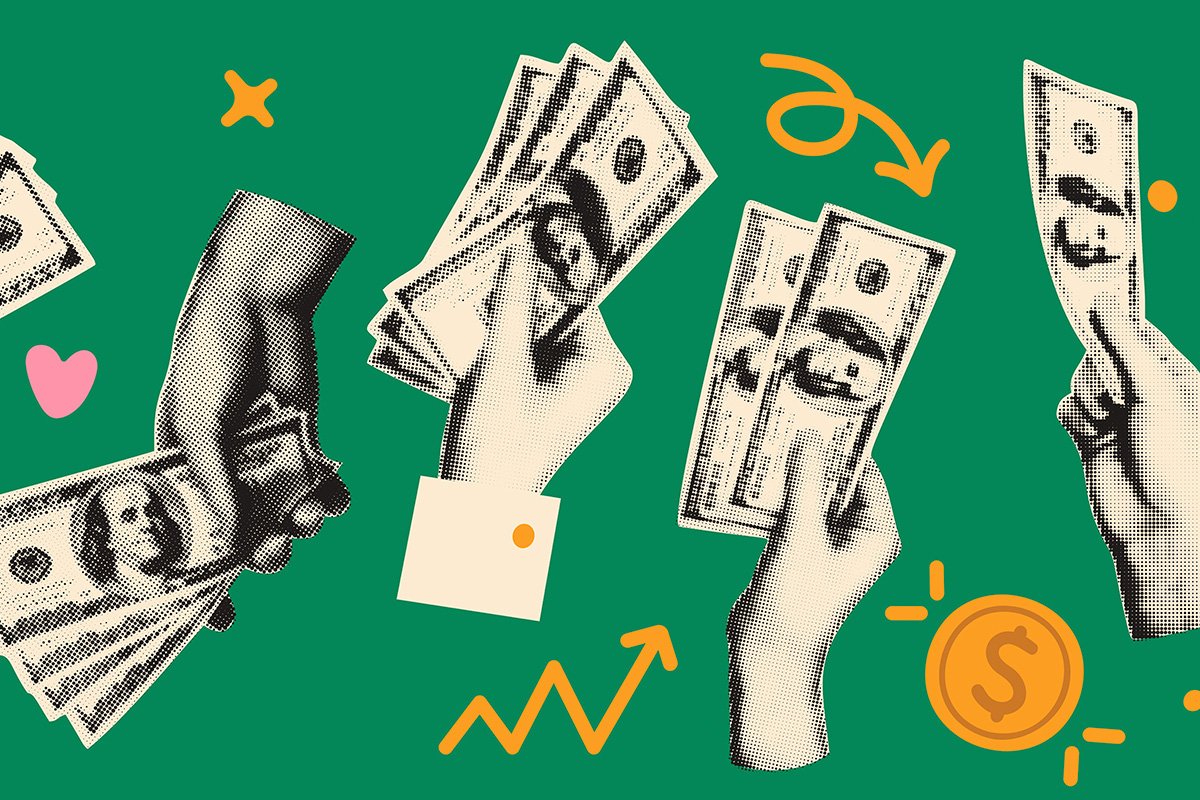
A digital illustration of four floating hands each holding varying amounts of $100 dollar bills. One hand holds four, another three, another two, and another one bill, against a green background.
Rethinking Wealth and How We Deploy it—Strategically
Rebecca Vilkomerson and Chanelle Gallant
A hand takes a dollar bill of the top of a pile of bills. The scene is washed in red, ominous light.
The Gatekeepers: For-Profit Platforms, Nonprofit Power, and...
Lauren Girardin
A white mask lays against a white background. A human hand holds up a pointer finger in front of the mask, in the “quiet” pose.
What If I Freeze with a Major Donor Ask?
Rhea Wong

Like what you see?

Subscribe to the NPQ newsletter to have our top stories delivered directly to your inbox.

See our newsletters

By signing up, you agree to our privacy policy and terms of use, and to receive messages from NPQ and our partners.

  • About
  • Advertise
  • Careers
  • Contact
  • Copyright
  • Donate
  • Editorial Policy
  • Privacy Policy
  • Funders
  • Submissions

We are using cookies to give you the best experience on our website.


Nonprofit Quarterly | Civic News. Empowering Nonprofits. Advancing Justice.
Powered by  GDPR Cookie Compliance
Privacy Overview

This website uses cookies so that we can provide you with the best user experience possible. Cookie information is stored in your browser and performs functions such as recognising you when you return to our website and helping our team to understand which sections of the website you find most interesting and useful.

Strictly Necessary Cookies

Strictly Necessary Cookie should be enabled at all times so that we can save your preferences for cookie settings.