
December 8, 2017; Fast Company
The tug between logical and emotional impulses is a tough one to navigate. In an ideal world, nonprofits can align these motivations by serving important causes through a well-run organization and carefully planned strategies. However, the rapid rise of crowdfunding sites may force nonprofits to adapt their strategies.
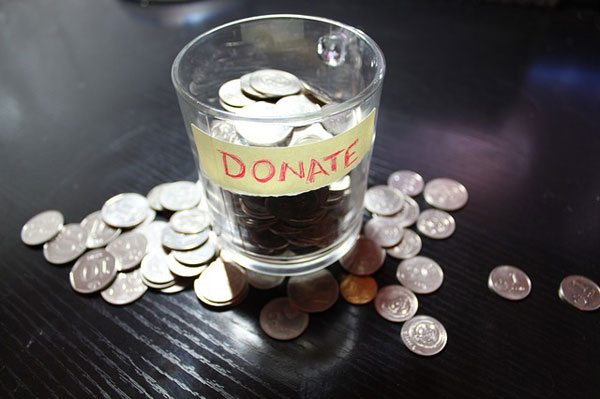
The rise of platforms like GoFundMe is astounding, somewhat like the rise of donor-advised funds, which NPQ has documented. According to the Massolution Crowdfunding Industry 2015 Report, crowdfunding was a $34 billion business in 2015, and donations made up almost $3 billion of that business.
On the one hand, crowdfunding campaigns are often cited examples of hope and generosity, such as the campaign that raised money to send an abused bus monitor on vacation, or others that rally supporters to pay for medical bills or disaster relief. It’s heartwarming to see people giving to strangers, and it feels good for the donor to make a personal connection with someone whose life they have undoubtedly improved.
However, paying one person’s medical bills doesn’t improve access for the 27.6 million Americans lacking health insurance. It doesn’t make hospitals more efficient, or force them to innovate, or help the government to see healthcare as a right. As another Fast Company article said, “Givers often respond in an emotional as opposed to rational way: You’re paying to alleviate someone’s suffering, not the broader societal problem it represents.”
And that’s where potential problems kick in. Crowdfunding sites are not long-term planners, like community organizations. Fast Company said, “In another era the city government might have borrowed from a community bank to rebuild local homes, and paid interest fees on the debt. Today, there is a privately-run chamber of commerce and a page on GoFundMe.” No community bank fees means no funds to invest in other projects, and a missed opportunity to grow the local economy. Josh Wright, Ideas42’s co-executive director, added, “[Crowdfunding] gets people away from giving intentionally to solve [larger societal] problems that they care about and it causes them to give to the most heart-string-pulling story.”
Sign up for our free newsletters
Subscribe to NPQ's newsletters to have our top stories delivered directly to your inbox.
By signing up, you agree to our privacy policy and terms of use, and to receive messages from NPQ and our partners.
Max Sidorov, the nutritionist who started the campaign to send the bus monitor on vacation after a busload of kids bullied her, told Slate,
“When it got to $300,000, I thought, Hey, this is a lot of money, and I posted on the IndieGoGo page that maybe some percentage of the donations should go to anti-bullying initiatives.” But that’s not what the donors—most of whom had given about $20 each—wanted to happen. “There was a big reaction. People said no. They wanted all the money to go to Karen.”
As nonprofits know, the causes with the saddest stories and the means to communicate them through crowdfunding’s social media channels aren’t always those that do the most good. Microlending is unlikely to strike an emotional chord with donors, but it supports the growth of businesses owned by people of color in low-income communities, which helps generate both a bigger tax base and greater community ownership, both of which ultimately improve the living situation for all residents. GoFundMe’s CEO Rob Solomon said, “We’re focused on growing the platform in such a way that it helps campaign organizers raise the most money possible. That’s what they want: the highest yield.” But with all this focus on growth, there’s often no mechanism to evaluate the potential impact of a particular campaign.
Part of what contributes to the immediate appeal of crowdfunding sites is the idea that the recipient of the money gets to control a much greater share of it. The five or ten percent fee that sites take to process the donation is much lower than the rate of overhead cost for most nonprofits, meaning that the recipients end up with a greater share of the cash.
However, that overhead is for things like strategic planning and research, which help nonprofits commit to a bigger cause over the longer term. Crowdfunding platforms rely on the power of stories to motivate donors. Where nonprofits might have development teams, mission-related branding, and data backing their approach to woo donor support, campaigns on GoFundMe and other platforms aren’t generally big enough or long-lasting enough to create this infrastructure. This means missed opportunities to create the long-term stakeholder relationships that would normally be part of donor retention, and which also help develop allies for a particular cause.
There are certainly lessons for nonprofits to take away from the rapid rise of crowdfunded charity, about the importance of personal connection and the need donors have to feel that they personally are doing good. But as the landscape of philanthropy adapts, perhaps the story to tell is about the necessity of supporting organizations that are committed to broad social problems for the long term.—Erin Rubin