
logo logo
giving banner
Donate
    • Membership
    • Donate
  • Social Justice
    • Racial Justice
    • Climate Justice
    • Disability Justice
    • Economic Justice
    • Food Justice
    • Health Justice
    • Immigration
    • LGBTQ+
  • Civic News
  • Nonprofit Leadership
    • Board Governance
    • Equity-Centered Management
    • Finances
    • Fundraising
    • Human Resources
    • Organizational Culture
    • Philanthropy
    • Power Dynamics
    • Strategic Planning
    • Technology
  • Columns
    • Ask Rhea!
    • Ask a Nonprofit Expert
    • Economy Remix
    • Gathering in Support of Democracy
    • Humans of Nonprofits
    • The Impact Algorithm
    • Living the Question
    • Nonprofit Hiring Trends & Tactics
    • Notes from the Frontlines
    • Parables of Earth
    • Re-imagining Philanthropy
    • State of the Movements
    • We Stood Up
    • The Unexpected Value of Volunteers
  • CONTENT TYPES
  • Leading Edge Membership
  • Newsletters
  • Webinars

Museums Test New Ways to Captivate Patrons—With and Without Technology

Anne Eigeman
November 30, 2015
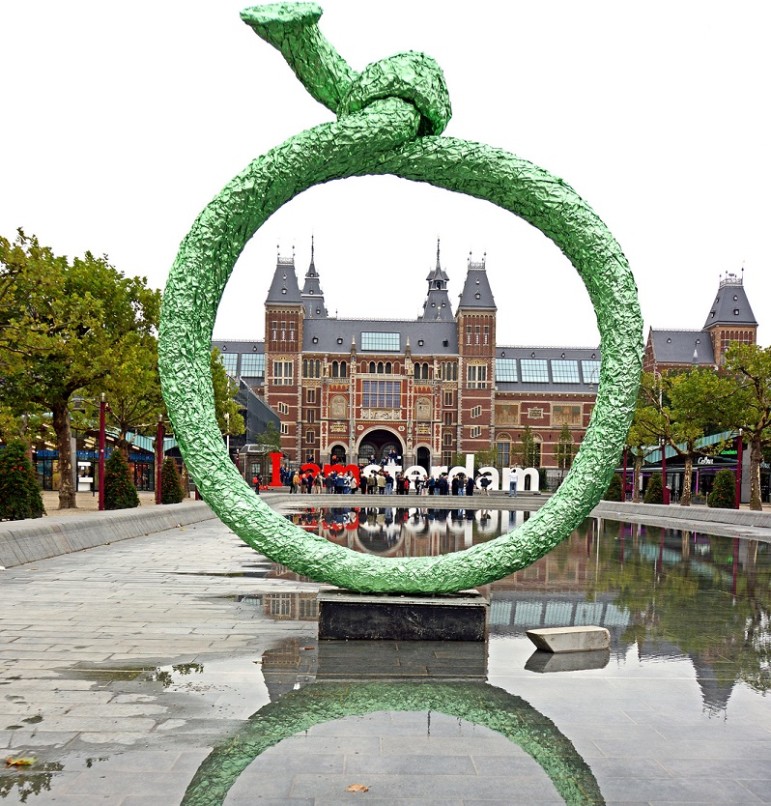
Rijksmuseum
Rijksmuseum / Dennis Jarvis

November 24, 2015; Hyperallergic

If you’ve been to a museum exhibit recently, did you take photos on a mobile device? If so, did the process help you to feel more engaged with the works on display, or did it leave you feeling more like a passive observer? In the name of enhancing the visitor experience, Amsterdam’s Rijksmuseum has been getting attention for a campaign called #startdrawing, which aims to replace the distractions that can come with mobile phones in favor of a more direct viewing experience, ideally one filled with “beauty, magic and wonder.”

An internationally renowned museum, the Rijksmuseum is home to many masterpieces, including Vermeers and Rembrandts, and last year an entire documentary was released about the museum’s ten-year renovation. So with all of these assets, it makes sense that the museum would want to help visitors to make the most of their gallery experience.

The theory behind the museum’s new campaign is that freeing people from mobile devices also frees them up for closer viewing and connecting with works of art. Although mobile devices have not been banned from the galleries, the Rijksmuseum has established “Drawing Saturday” as a day when visitors can come to the museum, receive a free sketchbook and hone their sketching skills.

Sign up for our free newsletters

Subscribe to NPQ's newsletters to have our top stories delivered directly to your inbox.

By signing up, you agree to our privacy policy and terms of use, and to receive messages from NPQ and our partners.

The question of how to most effectively use—or ignore—media to enhance the learning experience that adults have in museums has long troubled the museum education field. A recent essay in the July 2015 issue of the Journal of Museum Education, “Embracing Change: Museum Educators in the Digital Age,” observes that “as users fluidly move between online and in-person engagement, museums will need to develop strategies and/or structures to ensure these experiences are considered as a cohesive whole.”

When the Cooper Hewitt Museum in New York City underwent a major renovation, as part of what the museum is calling “the new Cooper Hewitt Experience,” it began to provide visitors with a computerized pen that gives visitors the power to “collect” and “save” objects of interest by scanning their labels. As a design museum, the Cooper Hewitt has devoted considerable attention to the issue of how visitors will interact with the new device and have even added an explanatory video on the topic to their site. After leaving the museum and returning home, a visitor can then scan the web address printed on his or her admission ticket and find “everything you have collected waiting for you.” As a creative way to build a visitor’s loyalty with the museum itself, the Cooper Hewitt also suggests that visitors “come back to the museum and keep building your collection, or share it with your friends.”

As museums work to build their audience base in the midst of a changing world, the question of how to most effectively engage adult visitors is apt to recur.—Anne Eigeman


Our Voices Are Our Power.

Journalism, nonprofits, and multiracial democracy are under attack. At NPQ, we fight back by sharing stories and essential insights from nonprofit leaders and workers—and we pay every contributor.

Can you help us protect nonprofit voices?

Your support keeps truth alive when it matters most.
Every single dollar makes a difference.

Donate now
logo logo logo logo logo
About the author
Anne Eigeman

Anne Eigeman is a Washington, DC-based consultant focusing on fund development and communications. Her past work in the education field developing programming for schools and museums informs the current work she does with small education organizations building organizational capacity. A news lover, she enjoys reading and analyzing media coverage both about and beyond the nonprofit sector.

More about: Arts and CultureEntrepreneurshipNonprofit NewsOrganizational CultureTechnology
See comments

You might also like
The People Say No: MediaJustice’s Advocacy Against AI Data Center Expansion
Iris M. Crawford
How MediaJustice Is Leading Communities to Push Back Against AI Data Centers
Myaisha Hayes
How to Use Art Spaces to Build Civic and Political Power
Tom Tresser
The South’s Got Something to Say: Stories from Black Women in the South
Monica L. Coleman
GivingTuesday: Ride the Wave, Don’t Fight It
Rhea Wong
The Faith of the Dreamer: A Personal Story About Racism, Trauma, and Healing
Gwendolyn Middleton Payton

Upcoming Webinars

Group Created with Sketch.
January 29th, 2:00 pm ET

Participatory Decision-making

When & How to Apply Inclusive Decision-making Methods

Register
Group Created with Sketch.
February 26th, 2:00 pm ET

Understanding Reduction in Force (RIF) Law

Clear Guidance for Values-centered Nonprofits

Register

    
You might also like
Protestors and Organizers march joyfully in Memphis to protest Big Tech’s rapid data center expansion across the country.
The People Say No: MediaJustice’s Advocacy Against AI Data...
Iris M. Crawford
Protestors and Organizers march in Memphis to protest Big Tech’s rapid data center expansion across the country.
How MediaJustice Is Leading Communities to Push Back Against...
Myaisha Hayes
People listen intently at a community forum held at in at art space with paintings on the wall.
How to Use Art Spaces to Build Civic and Political Power
Tom Tresser

Like what you see?

Subscribe to the NPQ newsletter to have our top stories delivered directly to your inbox.

See our newsletters

By signing up, you agree to our privacy policy and terms of use, and to receive messages from NPQ and our partners.

  • About
  • Advertise
  • Careers
  • Contact
  • Copyright
  • Donate
  • Editorial Policy
  • Funders
  • Submissions

We are using cookies to give you the best experience on our website.


Nonprofit Quarterly | Civic News. Empowering Nonprofits. Advancing Justice.
Powered by  GDPR Cookie Compliance
Privacy Overview

This website uses cookies so that we can provide you with the best user experience possible. Cookie information is stored in your browser and performs functions such as recognising you when you return to our website and helping our team to understand which sections of the website you find most interesting and useful.

Strictly Necessary Cookies

Strictly Necessary Cookie should be enabled at all times so that we can save your preferences for cookie settings.