logo logo
giving banner
Donate
    • Membership
    • Donate
  • Social Justice
    • Racial Justice
    • Climate Justice
    • Disability Justice
    • Economic Justice
    • Food Justice
    • Health Justice
    • Immigration
    • LGBTQ+
  • Civic News
  • Nonprofit Leadership
    • Board Governance
    • Equity-Centered Management
    • Finances
    • Fundraising
    • Human Resources
    • Organizational Culture
    • Philanthropy
    • Power Dynamics
    • Strategic Planning
    • Technology
  • Columns
    • Ask Rhea!
    • Ask a Nonprofit Expert
    • Gathering in Support of Democracy
    • Humans of Nonprofits
    • The Impact Algorithm
    • Living the Question
    • Nonprofit Hiring Trends & Tactics
    • Notes from the Frontlines
    • Parables of Earth
    • Reimagining Philanthropy
    • State of the Movements
    • We Stood Up
    • The Unexpected Value of Volunteers
  • CONTENT TYPES
  • Leading Edge Membership
  • Newsletters
  • Webinars

Nonprofit Newswire | Craigslist Charitable Dollars—Tainted Money?

Bruce S Trachtenberg
May 3, 2010

April 29, 2010; Source: New York Times | As a private company, it’s not surprising that the classified advertising website, Craigslist, is a bit tight-lipped. But you’d think it would be a bit more forthcoming about its charitable arm, the Craigslist Charitable Fund.

Unfortunately as one New York Times reporter has discovered, the company says little about its giving, and when it does speak—at least so far—most of the exchanges are conducted over email or posted on the Craigslist blog. It seems that some of its low profile concerning its charitable giving has to do with the fact that it makes a lot of money from sex ads, and that bothers groups that feel the advertisements help support human trafficking.

Craigslist only began charging for what were then called “erotic services” ads in 2008, bowing to pressure from 40 state attorneys general. At the time, it also agreed to “contribute 100% of net revenues for the ‘erotic services’ category to charity.” About a year ago, however, the classified ad company said it was disbanding that category, starting a new one for “adult services,” and for which it would charge higher fees. Craigslist also said it would no longer commit to donating all its sex-related revenues to charity but “will continue to develop its charitable initiatives.”

Sign up for our free newsletters

Subscribe to NPQ's newsletters to have our top stories delivered directly to your inbox.

By signing up, you agree to our privacy policy and terms of use, and to receive messages from NPQ and our partners.

When the New York Times‘ Brad Stone recently asked Craigslist for some specifics about its charity, it said via email from a spokesperson that it is a “grant making foundation established and funded by Craigslist.” In a followup question, which Craigslist hadn’t respond to late last week, Stone asked whether the charity is funded with sex ads revenue, and whether the fund has given any money away.

Curious whether Craigslist’s charity might help “alleviate the concerns of organizations that work against human trafficking,” Stone also contacted Rachel Lloyd, executive director of Girls Educational and Mentoring Services, which helps sexually exploited and trafficked women. Lloyd was unequivocal in her response: “As a nonprofit service provider who is continually in dire need of funding—and please quote me on that—I would not accept money from Craigslist. That money has come from pimps and traffickers who have sold many of the girls who will then walk into my door.” The New York Times promises future updates, and we’ll keep on the lookout too.—Bruce Trachtenberg


Our Voices Are Our Power.

Journalism, nonprofits, and multiracial democracy are under attack. At NPQ, we fight back by sharing stories and essential insights from nonprofit leaders and workers—and we pay every contributor.

Can you help us protect nonprofit voices?

Your support keeps truth alive when it matters most.
Every single dollar makes a difference.

Donate now
logo logo logo logo logo
See comments

You might also like
Using AI for Fundraising Still Requires Human Strategy
Rochelle Jerry
How Dissolving Your Nonprofit Can Strengthen the Sector
Traci Lester
AI in the Nonprofit Sector Is a Question of Governance, Not Just Technology
James A. Lomastro
Politics in an Attention Economy
Ade Salami and Melody Mohebi
How to Undermine Authoritarian Control: On Empowering Parallel Institutions
Gretchen Goldman and Saul Levin
Hope in the Dark: Four Tests for the Pro-Democracy Movement in 2026
Joe Goldman

Upcoming Webinars

Group Created with Sketch.
April 23, 2:00 pm ET

Receiving & Giving Feedback

Essential Practices for Healthy Organizations and Communities

Register
Group Created with Sketch.
May 14, 2:00 pm ET

Equitable Compensation in Practice

A New Values-Aligned Toolkit & Discussion Guide

Register

    
You might also like
Yellow CLOSED sign hanging in a dusty shop window, conveying themes of business failure, recession, and economic downturn.
Nonprofits in Limbo as Flipcause Bankruptcy Unfolds
Lauren Girardin
The Washington Post pulled up on the screen of an Apple iPhone.
As Jeff Bezos Dismantles The Washington Post, 5 Regional...
Dan Kennedy
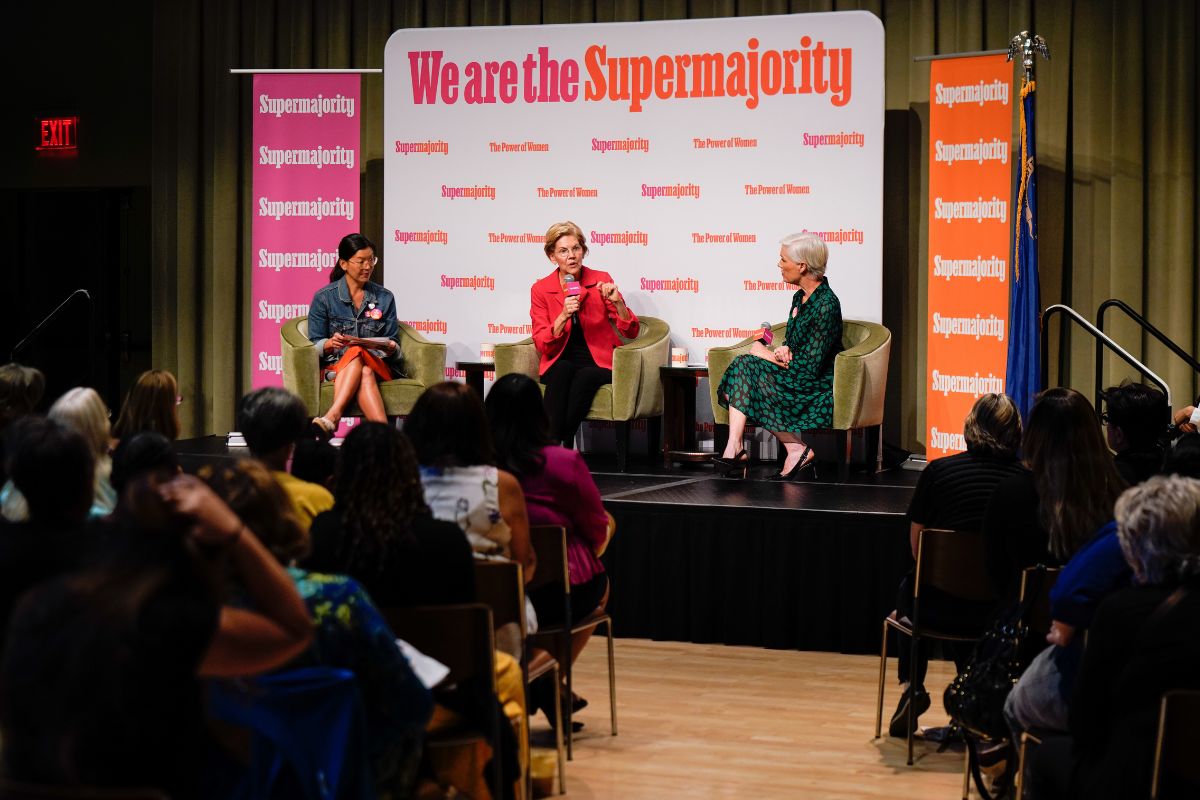
Senator Elizabeth Warren speaks into a microphone in front of a sign reading "We are the Supermajority" while an audience listens.
Supermajority, Group Organizing Women Around Politics, Is...
Jennifer Gerson

Like what you see?

Subscribe to the NPQ newsletter to have our top stories delivered directly to your inbox.

See our newsletters

By signing up, you agree to our privacy policy and terms of use, and to receive messages from NPQ and our partners.

  • About
  • Advertise
  • Careers
  • Contact
  • Copyright
  • Donate
  • Editorial Policy
  • Privacy Policy
  • Funders
  • Submissions

We are using cookies to give you the best experience on our website.


Nonprofit Quarterly | Civic News. Empowering Nonprofits. Advancing Justice.
Powered by  GDPR Cookie Compliance
Privacy Overview

This website uses cookies so that we can provide you with the best user experience possible. Cookie information is stored in your browser and performs functions such as recognising you when you return to our website and helping our team to understand which sections of the website you find most interesting and useful.

Strictly Necessary Cookies

Strictly Necessary Cookie should be enabled at all times so that we can save your preferences for cookie settings.