logo logo
Donate
    • Membership
    • Donate
  • Social Justice
    • Racial Justice
    • Climate Justice
    • Disability Justice
    • Economic Justice
    • Food Justice
    • Health Justice
    • Immigration
    • LGBTQ+
  • Civic News
  • Nonprofit Leadership
    • Board Governance
    • Equity-Centered Management
    • Finances
    • Fundraising
    • Human Resources
    • Organizational Culture
    • Philanthropy
    • Power Dynamics
    • Strategic Planning
    • Technology
  • Columns
    • Ask Rhea!
    • Ask a Nonprofit Expert
    • Economy Remix
    • Gathering in Support of Democracy
    • Humans of Nonprofits
    • The Impact Algorithm
    • Living the Question
    • Nonprofit Hiring Trends & Tactics
    • Notes from the Frontlines
    • Parables of Earth
    • Re-imagining Philanthropy
    • State of the Movements
    • We Stood Up
    • The Unexpected Value of Volunteers
  • CONTENT TYPES
  • Leading Edge Membership
  • Newsletters
  • Webinars

What Does Trump’s Proposed Government Reorganization Portend?

Carole Levine
June 25, 2018
“Mick Mulvaney,” Gage Skidmore

June 21, 2018; Washington Post, New York Times, and The Hill

Last week, the White House released a document entitled Delivering Government Solutions in the 21st Century: Reform Plan and Reorganization Recommendations. Officials said this plan for reorganizing the federal government was spearheaded by Budget Director Mick Mulvaney and based on a blueprint from a 2017 list of recommendations produced by the conservative Heritage Foundation. The 132-page document depicts a federal government that reflects the conservative values of its developers, reducing the size of the government’s footprint and eliminating and consolidating functions. The release was met with applause from some and great skepticism and opposition from others. Since many of these changes will need Congressional action and approval, and even some Republicans are not on board with many of these changes, this could be a long and drawn out process.

Some of the key proposed changes involved merging entire agencies. The Department of Education and the Department of Labor, under this proposal, would become the Department of Education and the Workforce. This is, noted the New York Times, a “back to the future” move, as President Jimmy Carter split the Department of Health, Education, and Welfare into two departments—Education and Health and Human Services—because no single department could handle all of these functions. Merging Labor and Education might cause similar issues. Further, this document suggests the Trump administration sees the function of education as almost solely related to workforce development, which extremely narrows the scope of education. In a capitalist economy that is increasingly extractive, this is a cause for concern.

Response to the Trump proposal on the part of legislators has been swift and strident.

The reorganization plan faces tough odds in Congress, where even aside from the dispute over work requirements, any reorganization faces opposition from congressional committees that could lose power if their jurisdictions change.

Sen. Patty Murray (D-WA), the top Democrat on the Senate Health, Education, Labor and Pensions Committee, dismissed the plan as dead on arrival even before it was official unveiled, calling it a move to propose “futile reorganizations of the federal government just to have a new talking point.”

Sign up for our free newsletters

Subscribe to NPQ's newsletters to have our top stories delivered directly to your inbox.

By signing up, you agree to our privacy policy and terms of use, and to receive messages from NPQ and our partners.

“Democrats and Republicans in Congress have rejected President Trump’s proposals to drastically gut investments in education, health care, and workers—and he should expect the same result for this latest attempt to make government work worse for the people it serves,” she added.

Others see this reorganization as an attack on government workers and unions, since no numbers were given as to how many jobs will be lost or gained in its implementation.

The American Federation of Government Employees, the largest union representing federal workers, promptly assailed the plan as a “scheme to gut federal services,” in part by targeting domestic programs that have long been unpopular with conservatives.

“There’s little reason to believe this reorganization plan is anything more than a scheme to eliminate essential programs and public-service jobs, reward or punish political appointees depending on their allegiance to the White House, and privatize government programs to reward political donors,” AFGE President J. David Cox Sr. said in a statement.

Via this process, Mulvaney is looking to eliminate a range of public agencies, such as the Consumer Financial Protection Bureau, the Corporation for Public Broadcasting, and the Import-Export Bank. He also hopes to privatize the US Postal Service, the Federal Aviation Administration, and other parts of the federal government via this plan. Some of the changes can be done by presidential orders or initiated through the Office of Management and Budget (OMB). Most, however, require Congressional action. The report does little to specify which are which, and this means that all of us are left to be on constant watch as this develops—at whatever pace it moves forward. So, be vigilant, but do not expect it to happen quickly…or easily…or as laid out in this proposal…or, with some components, perhaps at all.—Carole Levine


Our Voices Are Our Power.

Journalism, nonprofits, and multiracial democracy are under attack. At NPQ, we fight back by sharing stories and essential insights from nonprofit leaders and workers—and we pay every contributor.

Can you help us protect nonprofit voices?

Your support keeps truth alive when it matters most.
Every single dollar makes a difference.

Donate now
logo logo logo logo logo
About the author
Carole Levine

Carole Levine is a principal consultant at Levine Partners, providing consulting services to small and medium-sized nonprofit organizations. She has held senior management positions in four national nonprofits: The National PTA (Deputy Executive Director); Communities in Schools (Vice President of Expansion and Technical Assistance); The Family Resource Coalition (Director of Technical Assistance); and National Lekotek Center (Director of Development). Carole holds a BA in education and political science from Washington University, and an M.Ed. in Early Childhood Leadership and Advocacy from National Louis University. Carole has served on the boards of numerous organizations, holding national positions on the board of National Council of Jewish Women and on the International Council of Jewish Women. She is currently the Chair of Courts Matter Illinois, serves on the board of Chicago Women Take Action and is active on the Promote the Vote Illinois Coalition. Carole is passionate about purposeful work, justice for all, advocacy and her family (which includes 6 amazing grandchildren!).

More about: Narrative PowerNonprofit NewsPolicy
See comments

You might also like
Disability Groups Are Standing United for Trans Rights. That Hasn’t Always Been the Case.
Sara Luterman
New Student Loan Limits Could Threaten Diversity in Nursing and Public Health Programs
Lauren Nuttall
‘I’m Heartbroken’: Trans Kansans Reckon with Their Driver’s Licenses Being Invalidated
Sherman Smith and Morgan Chilson
After Years of Waiting, She Wanted to Start Gender-Affirming Care. Politics Interfered.
Orion Rummler
In the Face of Authoritarianism, Connection Is Resistance
EJ Juárez
Who Holds Narrative Authority? Reflections from “Reframing Resistance”
Shilpi Chhotray

Upcoming Webinars

Group Created with Sketch.
March 19th, 2:00 pm ET

Open Board Search

How Casting a Wide Net Transforms Nonprofit Governance

Register
Group Created with Sketch.
March 26, 2:00 pm ET

Learn Out Loud

How Every Philanthropy, Nonprofit, and Community Member Can Leverage Power in Our Fight Against ICE

Register

    
You might also like
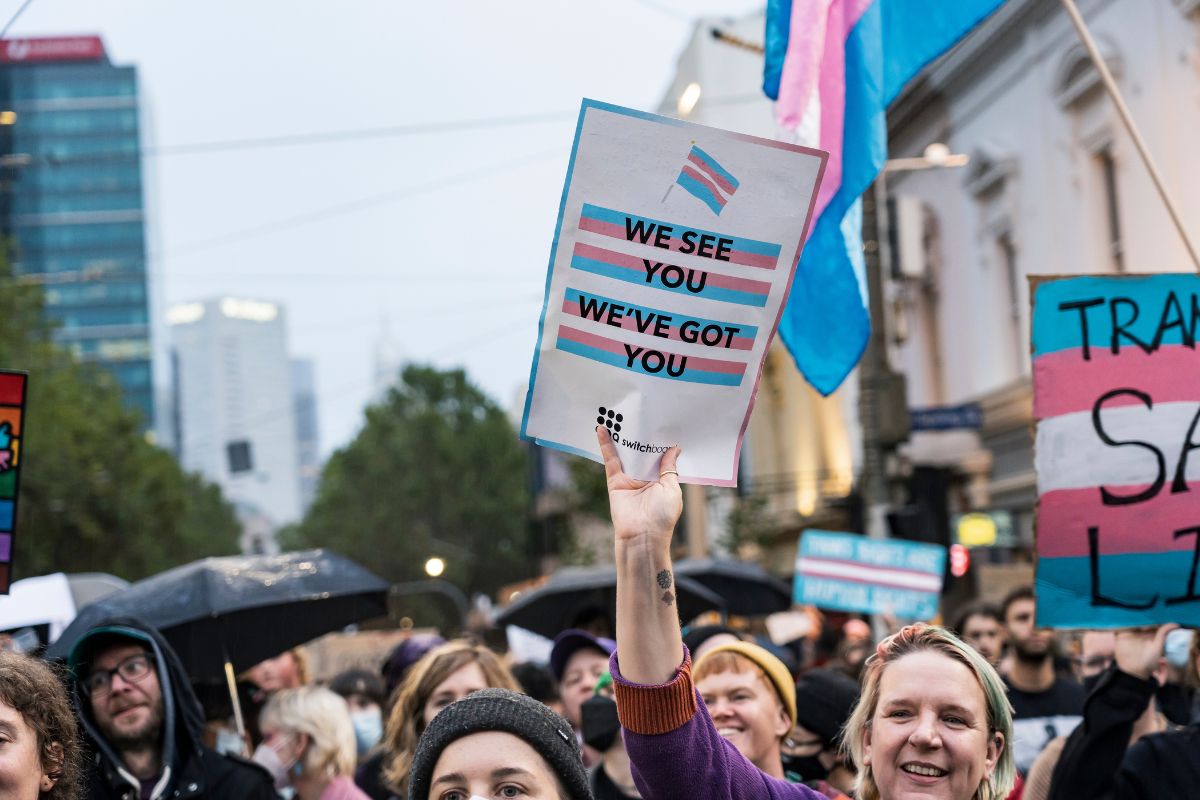
A person at a march holds a sign with the blue, pink, and white trans flag that reads “We See You, We’ve Got You”
Disability Groups Are Standing United for Trans Rights. That...
Sara Luterman
Yellow CLOSED sign hanging in a dusty shop window, conveying themes of business failure, recession, and economic downturn.
Nonprofits in Limbo as Flipcause Bankruptcy Unfolds
Lauren Girardin
A close shot of the front of the US Department of Education in Washington, DC.
New Student Loan Limits Could Threaten Diversity in Nursing...
Lauren Nuttall

Like what you see?

Subscribe to the NPQ newsletter to have our top stories delivered directly to your inbox.

See our newsletters

By signing up, you agree to our privacy policy and terms of use, and to receive messages from NPQ and our partners.

  • About
  • Advertise
  • Careers
  • Contact
  • Copyright
  • Donate
  • Editorial Policy
  • Funders
  • Submissions

We are using cookies to give you the best experience on our website.


Nonprofit Quarterly | Civic News. Empowering Nonprofits. Advancing Justice.
Powered by  GDPR Cookie Compliance
Privacy Overview

This website uses cookies so that we can provide you with the best user experience possible. Cookie information is stored in your browser and performs functions such as recognising you when you return to our website and helping our team to understand which sections of the website you find most interesting and useful.

Strictly Necessary Cookies

Strictly Necessary Cookie should be enabled at all times so that we can save your preferences for cookie settings.