May 4, 2017; Washington Post
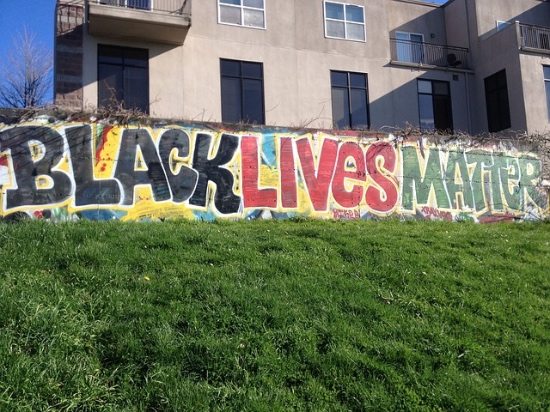
Black Lives Matter activists say the movement has entered a new phase where the strategic focus is policy change, particularly at the local level. The movement launched in 2012 after the death of Trayvon Martin in Florida as an ideological and political intervention to affirm the lives of Black people. Today, five years later, according to a Washington Post article last week, “The issue that galvanized the movement hasn’t subsided. So far this year, police have shot and killed 23 unarmed people, a higher rate than in 2016, when 48 unarmed people were killed all year. Both years, about one in three of those people has been black.”
Trump’s unexpected victory brought with it an accompanying rise of binary thinking. In NPQ’s recent article, “How to Think Differently about Communication: Your Nonprofit’s Role in Reframing the Post-Election Discourse,” Nat Kendall-Taylor and Susan Nall Bales of the FrameWorks Institute write,
Rather than considering the important issues facing our nation and how a range of approaches might address them, the electoral discourse has narrowed into polarities… The 2016 election discourse pulled three important cultural models to the foreground of American thinking: self-makingness; separate fates; and business knows best.
According to the Post, the Trump administration is challenging the Black Lives Matter movement.
During Sessions’ Senate confirmation hearing in January, he described federal investigations into police departments as damaging to officer morale and implied that the Justice Department’s scrutiny of police work had contributed to officer deaths.
[…]
In April, Attorney General Jeff Sessions ordered Justice Department officials to review oversight agreements that the Obama administration put in place for police departments that showed wide racial disparities in policing practices. Since 2009, the agency has investigated 25 law enforcement agencies and entered monitoring and reform agreements with 14 of them.
Advocates suspect Sessions plans to walk away from the Obama administration’s efforts to reduce the number of people killed by police and contend with the disproportionate toll such shootings take on black and Latino Americans.
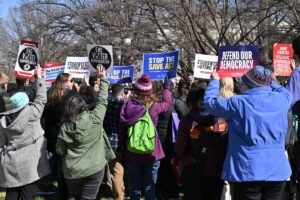
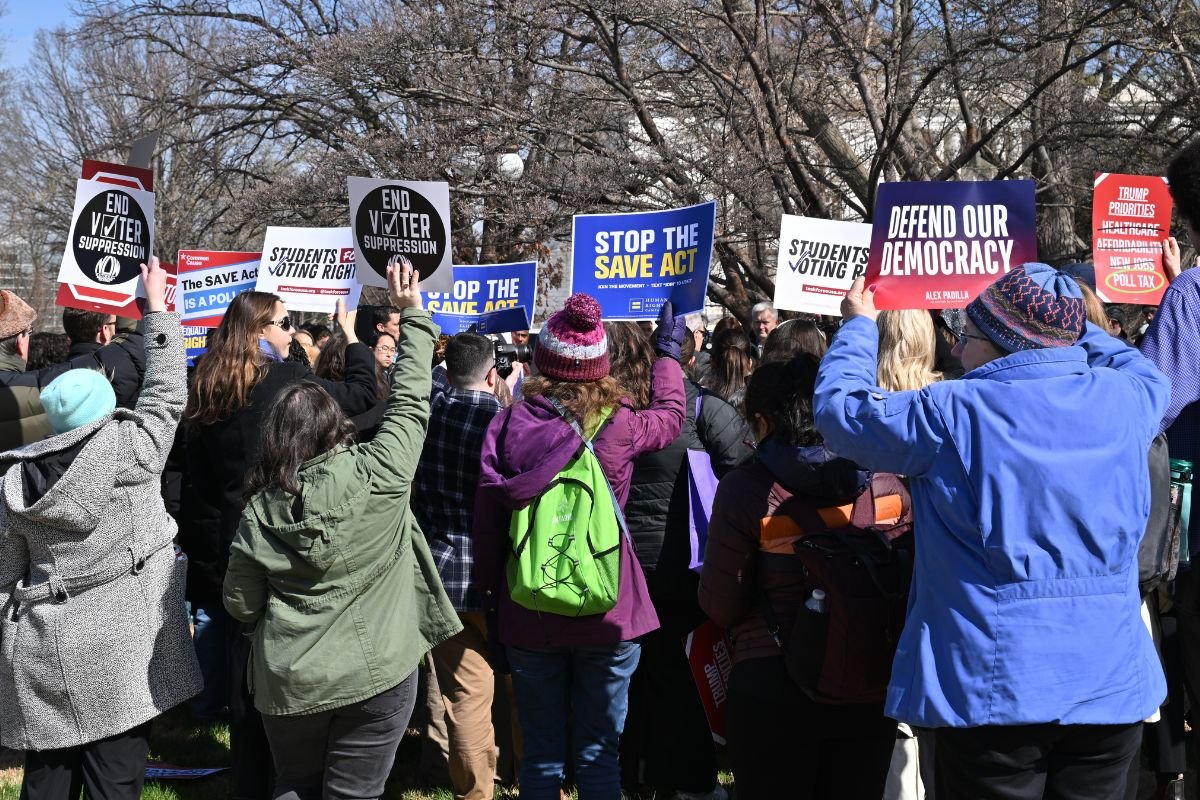
Pivoting to address this new narrative and reality, the young black activists of Black Lives Matter (BLM) and Movement for Black Lives (M4BL) have joined a new social change coalition called The Majority, a network of more than 50 groups, which brings “together activists, organizers, and groups with different missions—from the Fight for $15 to indigenous land rights.” A March article in the Nation announced that the new coalition “is challenging Trump’s agenda with a radical vision of their own.”
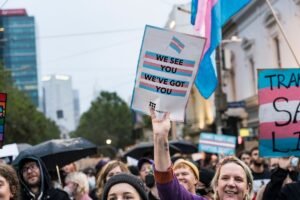
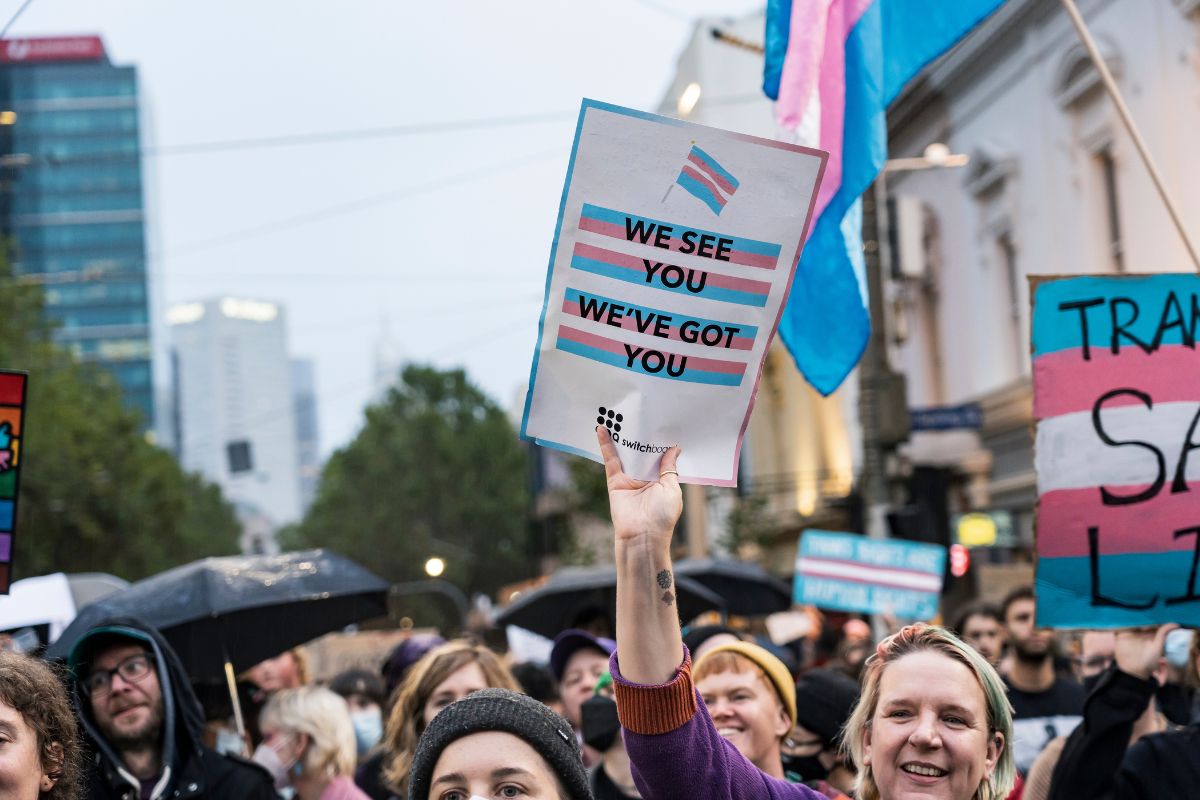
The Majority’s first campaign, Beyond the Moment, took place between April 4th and International Workers’ Day on May 1st with “a series of actions across the country aimed at raising awareness around issues including white supremacy, economic justice, reproductive justice, immigrant rights, LGBTQ rights, indigenous rights, and attacks on Muslim communities.”
Sign up for our free newsletters
Subscribe to NPQ's newsletters to have our top stories delivered directly to your inbox.
By signing up, you agree to our privacy policy and terms of use, and to receive messages from NPQ and our partners.
In almost a mirror image to FrameWorks’ articulation of the Trump administration narrative, the new movement of movements highlights social and historical conditions, joined fates, and community knows best.
Patrisse Cullors, one of the three founders of BLM, said “this new iteration of the movement is not just about “campaigns and strategic plans” but a broad-based movement that coalesces around the idea of sanctuary for all.”
Alicia Garza, also a BLM founder, “helped develop the Women’s March political platform and is an organizer for the National Domestic Workers Alliance, a labor organization,” according to the Post. She said, “[O]ur communities are under attack…It’s a real opportunity for us to build a movement of movements.”
As Janelle Ross and Wesley Lowery write, “Even before the election, some of the most prominent activists in the Black Lives Matter movement were expanding their focus to broader political efforts.”
Much of the push for policy change is being driven by local chapters of Black Lives Matter…In Memphis and Atlanta, activists have focused on challenging the “money bail” system, their term for the widespread practice of holding people in jail who are unable to pay even small amounts required by courts to assure they will show up for trial.…Poor defendants—who stand to lose jobs, apartments and custody of their children as they sit in jail—often plead guilty to lesser crimes without seeing a judge or jury.
And, they have had success.
In recent controversial encounters between police and unarmed black people, law enforcement has responded faster and with more regret than seen in years past. In suburban Dallas on Tuesday, an officer was fired three days after he fatally shot a 15-year-old boy sitting in a car. The officer was later charged with murder… In North Charleston, S.C., former officer Michael Slager—who was charged with fatally shooting Walter Scott in the back after a traffic stop—pleaded guilty to using excessive force last week. And last month in Grand Rapids, Mich., police released body-camera footage a few weeks after officers held a group of unarmed black boys, ages 12 to 14, at gunpoint…Activists there say the fact that officers were even wearing body cameras was a result of community pressure.
More recently, in Atlanta, local Black Lives Matter activists raised more than $33,000 to bail black mothers out of jail just before Mother’s Day.
The organization also is pushing the city council to make possession of a small quantity of marijuana punishable by a $75 ticket rather than arrest, and it is demanding that Atlanta’s mayor examine how the police force has been “militarized.”…Activists note that these efforts rarely make local news, let alone receive the national attention.
—Cyndi Suarez