logo logo
giving banner
Donate
    • Membership
    • Donate
  • Social Justice
    • Racial Justice
    • Climate Justice
    • Disability Justice
    • Economic Justice
    • Food Justice
    • Health Justice
    • Immigration
    • LGBTQ+
  • Civic News
  • Nonprofit Leadership
    • Board Governance
    • Equity-Centered Management
    • Finances
    • Fundraising
    • Human Resources
    • Organizational Culture
    • Philanthropy
    • Power Dynamics
    • Strategic Planning
    • Technology
  • Columns
    • Ask Rhea!
    • Ask a Nonprofit Expert
    • Economy Remix
    • Gathering in Support of Democracy
    • Humans of Nonprofits
    • The Impact Algorithm
    • Living the Question
    • Nonprofit Hiring Trends & Tactics
    • Notes from the Frontlines
    • Parables of Earth
    • Re-imagining Philanthropy
    • State of the Movements
    • We Stood Up
    • The Unexpected Value of Volunteers
  • CONTENT TYPES
  • Leading Edge Membership
  • Newsletters
  • Webinars

New England Sees 900% Increase in Organ Donations Tied to Opioid Epidemic

Gayle Nelson
October 26, 2016

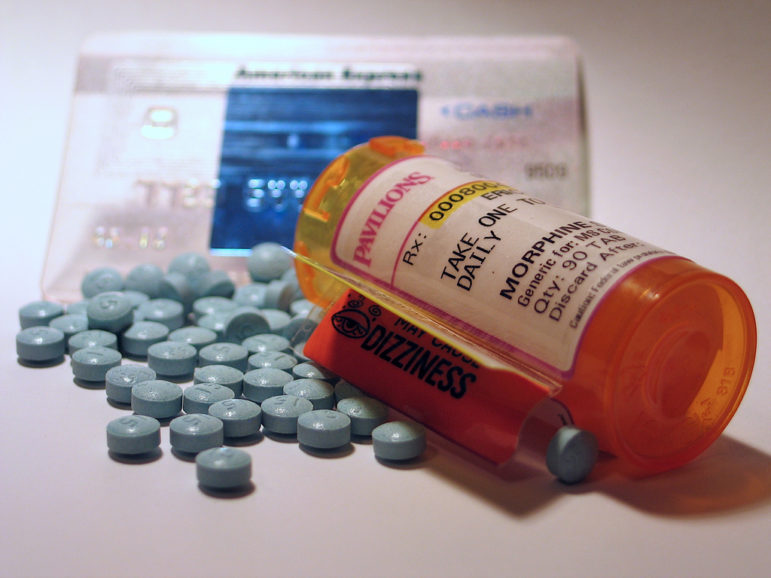
Morphine

October 14, 2016; NPR, “Shots”

This year, some hospitals in Massachusetts, like Lahey Hospital and Medical Center in Burlington, have dramatically increased the number of organ transplants they perform. The sources of these lifesaving gifts are the victims of the opioid epidemic. Although the increase in available organs represents hope for some and brings a small degree of comfort to the families of those lost to deaths from drug abuse, the wait continues for many more on the transplant list as well as families of addicts seeking services.

On June 30, 2015, Colin LePage found his thirty-year-old son, Chris, unresponsive after an apparent drug overdose. Over the next 24 hours, medical personnel from one of Boston’s largest medical centers revived Chris’s heart but struggled to stabilize his blood pressure and temperature. After two rounds of tests displayed no sign of brain activity, LePage listened to his son’s beating heart one last time before Chris was wheeled away. Although Chris died that day, his liver continues to function in a new body, that of a 62-year-old pastor.

Sign up for our free newsletters

Subscribe to NPQ's newsletters to have our top stories delivered directly to your inbox.

By signing up, you agree to our privacy policy and terms of use, and to receive messages from NPQ and our partners.

The liver represents just part of the dramatic increase in New England organ donations since 2010, according to the New England Organ Bank, the organization responsible for gathering the organs in the six New England states. The expansion is due to the growing number of organ donors who fell victims to the growing epidemic of opioid abuse. Since the beginning of the year, more than one in four organ transplants in the New England area originated from people suffering a drug overdose. Nationwide, organs from deceased drug users accounted for 12 percent of all donations this year. Traffic accidents used to be the fourth-largest source of organ donation, behind deaths from strokes, blunt injuries, and cardiovascular disease, but drug overdoses, now the fastest growing category of organ donor, eclipsed them in 2014.

Before the epidemic took hold, organs from drug users were considered too risky for transplant. Drug users have long been associated with HIV, hepatitis C and other diseases. Although contraction from transplants is rare, tests have sometimes failed to detect infectious diseases, leading to donors contracting the diseases. (For example, in 2007, one donor transmitted both HIV and hepatitis C to four organ recipients.)

But as the shortage of organs continues to grow, the number of opioid overdose victims rises, and testing procedures improve, more people are receiving these donated organs. “We know now that the mortality rate of being on the waiting list for several years is higher than that of getting an organ with an infection that is treatable,” said Dr. Robert Veatch, a professor emeritus of medical ethics at Georgetown University, who has authored numerous articles on organ transplants. At the same time, recipients with HIV can receive organs from donors with HIV without additional risk. Earlier this year, surgeons from Johns Hopkins University Medical Center performed the first transplant of this kind.

“It’s an unexpected silver lining to what is otherwise a pretty horrendous situation,” said Alexandra K. Glazier, chief executive of the New England Organ Bank.—Gayle Nelson


Our Voices Are Our Power.

Journalism, nonprofits, and multiracial democracy are under attack. At NPQ, we fight back by sharing stories and essential insights from nonprofit leaders and workers—and we pay every contributor.

Can you help us protect nonprofit voices?

Your support keeps truth alive when it matters most.
Every single dollar makes a difference.

Donate now
logo logo logo logo logo
About the author
Gayle Nelson

Gayle Nelson, Esq is a leader responsible for raising millions of dollars for diverse nonprofit organizations. Since over three quarters of revenue flows from individuals, Gayle begins her work expanding organizational capacity by coaching leadership on development best practices and engaging new volunteers. In addition, she reaches out to major and younger donors planning exciting events and increasing visibility utilizing crowdfunding, social media tools, and traditional media outlets. With a strong network and knowledge of philanthropy, Gayle coaches organizations of various sizes on opportunities to increase revenue from Donor Advised Funds (DAF) and planned giving vehicles as well as public and private foundations. Additionally, she often writes proposals funding new programs and develops earned income revenue streams. As an attorney, Gayle is also an advocate, partnering with nonprofits to enhance their relationships with government leaders to pinpoint community need and promote agency services. And, to ensure activities lead to thriving organizations and long-term sustainable growth, Gayle utilizes her financial acumen to partner with Boards and finance staff to build comprehensive program and agency budgets. Finally, she is a highly respected speaker on diverse topics including shifting government funding, succession planning, and inter-generational board/volunteer engagement.

More about: Health EquityNonprofit NewsVolunteer Management
See comments

You might also like
A Practical Guide to Liberatory Leadership: Rooting Our Actions in Our Collective Transformation
Iman Mills Gordon
Facebook and Volunteerism: What Are Some Tricks of the Trade?
Jan Masaoka
Can Nonprofits Restrain Trump’s Autism Agenda?
Matthew Rozsa
The Patterns That Limit Organizations—and What Nonprofit Leaders Can Do About It
Dominique Samari
Twenty Years After Katrina: Lessons in Climate, Justice, and Solidarity
Deepa Iyer
Building Blocks of a Public Policy Agenda for Volunteerism
Jan Masaoka

Upcoming Webinars

Group Created with Sketch.
December 9th, 2:00 pm ET

Nonprofit Safety & Security: Protecting Our People, Data, and Organizations in a Time of Unprecedented Threat

Register
Group Created with Sketch.
January 29th, 2:00 pm ET

Future is Collective

Register

    
You might also like
A colorful bird taking flight, representing liberation and movement.
A Practical Guide to Liberatory Leadership: Rooting Our...
Iman Mills Gordon
A hand holding up a phone displaying the Facebook login screen.
Facebook and Volunteerism: What Are Some Tricks of the...
Jan Masaoka
A brain with many ladders leading away from it, representing the many paths for neurodivergent people to counter Trump’s policies.
Can Nonprofits Restrain Trump’s Autism Agenda?
Matthew Rozsa

Like what you see?

Subscribe to the NPQ newsletter to have our top stories delivered directly to your inbox.

See our newsletters

By signing up, you agree to our privacy policy and terms of use, and to receive messages from NPQ and our partners.

  • About
  • Advertise
  • Careers
  • Contact
  • Copyright
  • Donate
  • Editorial Policy
  • Funders
  • Submissions

We are using cookies to give you the best experience on our website.


Nonprofit Quarterly | Civic News. Empowering Nonprofits. Advancing Justice.
Powered by  GDPR Cookie Compliance
Privacy Overview

This website uses cookies so that we can provide you with the best user experience possible. Cookie information is stored in your browser and performs functions such as recognising you when you return to our website and helping our team to understand which sections of the website you find most interesting and useful.

Strictly Necessary Cookies

Strictly Necessary Cookie should be enabled at all times so that we can save your preferences for cookie settings.