logo logo
giving banner
Donate
    • Membership
    • Donate
  • Social Justice
    • Racial Justice
    • Climate Justice
    • Disability Justice
    • Economic Justice
    • Food Justice
    • Health Justice
    • Immigration
    • LGBTQ+
  • Civic News
  • Nonprofit Leadership
    • Board Governance
    • Equity-Centered Management
    • Finances
    • Fundraising
    • Human Resources
    • Organizational Culture
    • Philanthropy
    • Power Dynamics
    • Strategic Planning
    • Technology
  • Columns
    • Ask Rhea!
    • Ask a Nonprofit Expert
    • Economy Remix
    • Gathering in Support of Democracy
    • Humans of Nonprofits
    • The Impact Algorithm
    • Living the Question
    • Nonprofit Hiring Trends & Tactics
    • Notes from the Frontlines
    • Parables of Earth
    • Re-imagining Philanthropy
    • State of the Movements
    • We Stood Up
    • The Unexpected Value of Volunteers
  • CONTENT TYPES
  • Leading Edge Membership
  • Newsletters
  • Webinars

No Deeds Means No Dollars for Owners of Hurricane-Damaged Puerto Rico Homes

Marian Conway
May 14, 2018
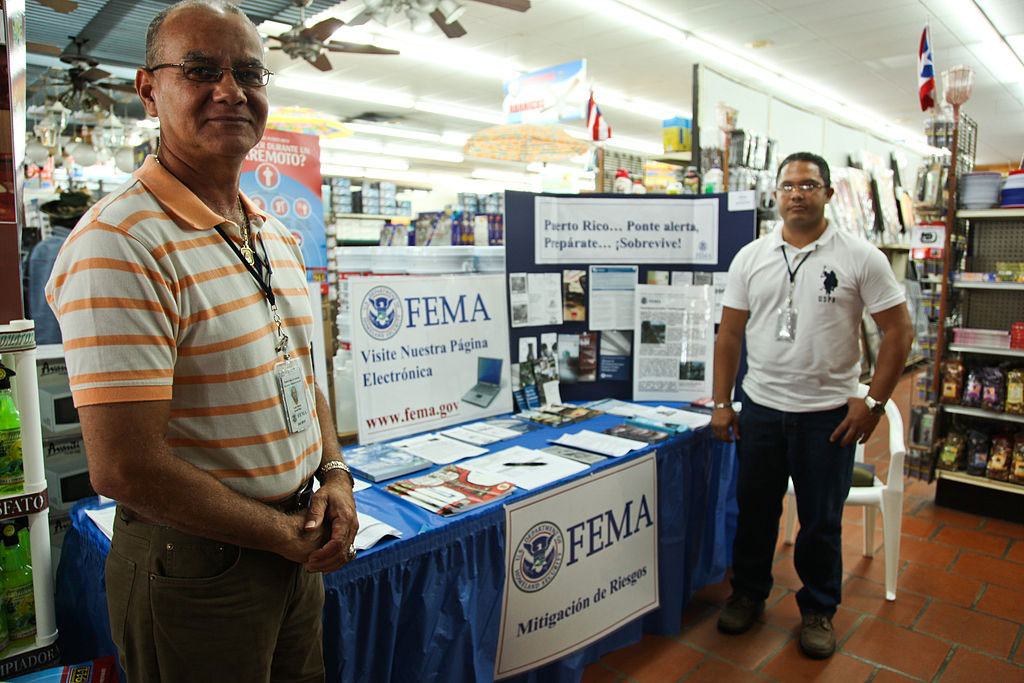
By Ashley Andujar (This image is from the FEMA Photo Library.) [Public domain], via Wikimedia Commons

May 8, 2018; NBC News

In order for a homeowner to receive FEMA benefits after a disaster, they must produce a valid deed to the home, or an approved alternative:

FEMA verifies ownership through inspection, automated public and government records or submitted documents such as:

  • Deed, title or lease.
  • Bill of sale or land installment contract.
  • Mortgage payment booklet, property tax receipt or property tax bill.
  • Last will and testament (along with a death certificate) naming applicant heir to the property.
  • Real property structure insurance.

As a last resort, FEMA may accept a self-declaration, which includes a complete explanation of the history of the home for the applicant, length of time at the residence, and why there is no documentation. However, some residents of Puerto Rico have not been able to prove through any of these means that they own the houses where they have lived for decades.

Maria Medina, for instance, has a couple of walls with no roof after the damage done by Hurricane Maria about eight months ago. She bought the land about 20 years ago for $1,500. Medina and her husband built the house, but she has no title. She has been denied FEMA assistance over and over again, as she waits in an apartment with no power and no water within sight of the skeleton of her home.

Hundreds of thousands of Puerto Ricans are in the same boat.

As of May 1, “FEMA has received 1,118,862 million registrations for disaster assistance,” said FEMA spokesperson Ron Roth in a statement to NBC News. “The number of approved registrations for FEMA grants totals 452,290. The number of registrations deemed ineligible is 335,748.”

Sign up for our free newsletters

Subscribe to NPQ's newsletters to have our top stories delivered directly to your inbox.

By signing up, you agree to our privacy policy and terms of use, and to receive messages from NPQ and our partners.

Estimates of the number of homes without proper documentation that may have been built informally or illegally in communities of lower income range from 260,000 to 700,000.

“In rural areas, sometimes you have a grandpa who owned a land that was passed down generation after generation and they never registered the property,” said Michelle Sugden-Castillo, a housing nonprofit consultant in Puerto Rico. A lot of these pieces of property go by a family’s name, but they still lack the proper paperwork.

The ability to provide a declaration to FEMA has aided some homeowners, but even those changes have not helped so many. Some communities were originally squatter settlements, formed on public land over 80 years ago after another storm, Hurricane San Ciprian.

Puerto Rico’s governor, Ricardo Rosselló, and housing secretary Fernando Gil Enseñat have provided 300 lease subsidies and 62 titles to property, but these have not put a dent in the need for homeowners whose homes have been destroyed.

In the aftermath of Superstorm Sandy, disaster case managers spent months attempting to bring a combination of grant money and state and federal benefits to homeowners with and without proper documentation. Funding was stalled for such causes as an absentee landlord, or a homeowner who had another relative on the deed who died, or a family member on the deed who would not sign off for NY Rising funds. These were dozens of cases, not hundreds of thousands of cases, as Puerto Rico is facing.

The US Department of Housing and Urban Development (HUD) has supplied the island with the largest award for disaster recovery in its history—a $18.5 billion grant, which NPQ will cover in greater detail tomorrow—along with a separate distribution of $1.5 billion in February. HUD has tight rules and protocols that much be adhered to before money is distributed. Plans and public hearings must happen first, which means that there won’t be any money to spend for months.

Meanwhile, Puerto Ricans continue to sit in the dark.—Marian Conway

Our Voices Are Our Power.

Journalism, nonprofits, and multiracial democracy are under attack. At NPQ, we fight back by sharing stories and essential insights from nonprofit leaders and workers—and we pay every contributor.

Can you help us protect nonprofit voices?

Your support keeps truth alive when it matters most.
Every single dollar makes a difference.

Donate now
logo logo logo logo logo
About the author
Marian Conway

Marian Conway, the executive director of the NY Community Bank Foundation, has a Masters in Interdisciplinary Studies, Writing and a Ph.D. in Public Policy, Nonprofit Management. She has discovered that her job and education have made her a popular person with nonprofits and a prime candidate for their boards. Marian keeps things in perspective, not allowing all that to go to her head, but it is difficult to say no to a challenge, especially participating in change, in remaking a board. She is currently on eleven boards of various sizes and has learned to say no.

More about: Federal GovernmentNonprofit NewsPolicyPuerto Rico
See comments

You might also like
Social Enterprise: Lessons from Down Under
Vicki Pozzebon
As Mayor, How Can Mamdani Advance Immigrant Wellbeing?
María Constanza Costa
If Farm School NYC Closes, What Will the City Lose?
Farm School NYC and Iris M. Crawford
Be Bold This GivingTuesday: Lessons from Public Rights Project
Jennifer Johnson
Trump Administration’s Gutting of Education Department Will Hurt Nonprofits
Lauren Girardin
Broken Promise: Disability, Nonprofits, and the Struggle for Economic Justice
James A. Lomastro

Upcoming Webinars

Group Created with Sketch.
January 29th, 2:00 pm ET

Participatory Decision-making

When & How to Apply Inclusive Decision-making Methods

Register
Group Created with Sketch.
February 26th, 2:00 pm ET

Understanding Reduction in Force (RIF) Law

Clear Guidance for Values-centered Nonprofits

Register

    
You might also like
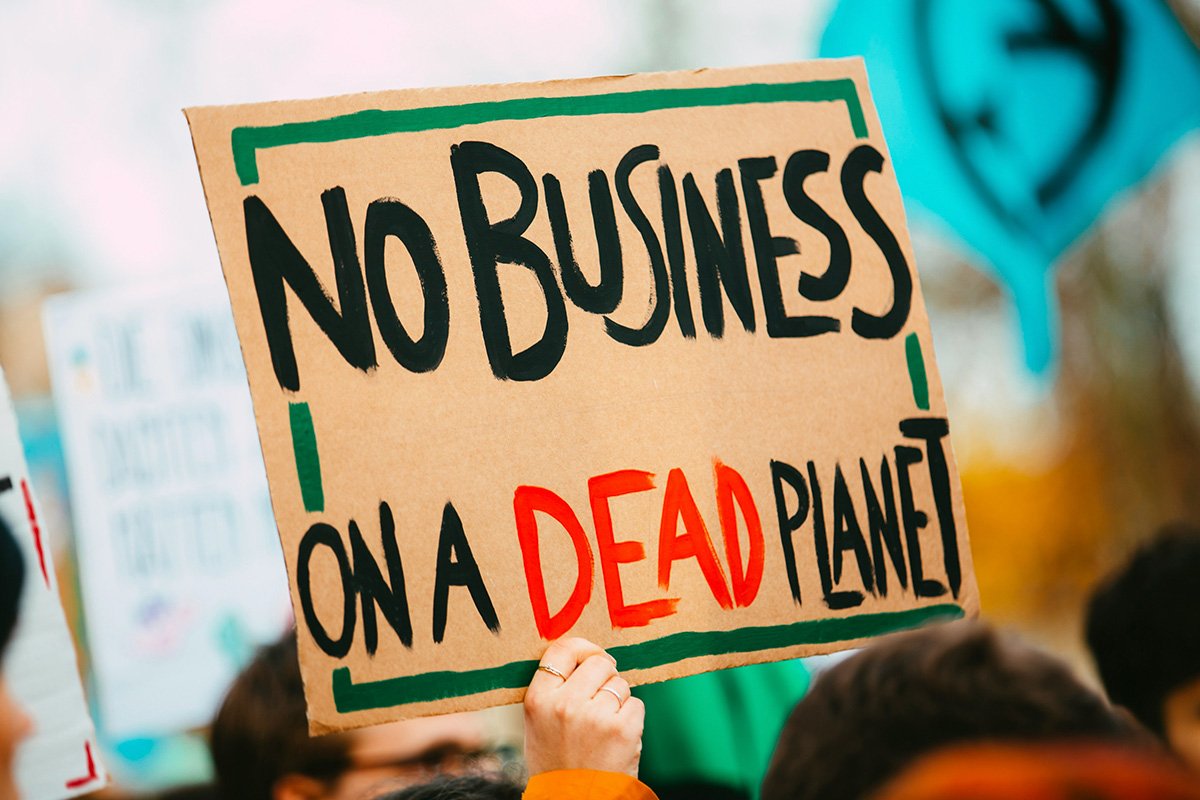
A protest sign reading, “No Business on a dead planet”, emphasizing how the wellbeing of our planet is more important than profit.
Social Enterprise: Lessons from Down Under
Vicki Pozzebon
As a candidate, Zohran Mamdani lauded New York as a city “powered by immigrants.” Advocates are counting on Mamdani to convert sentiment into policy.
As Mayor, How Can Mamdani Advance Immigrant Wellbeing?
María Constanza Costa
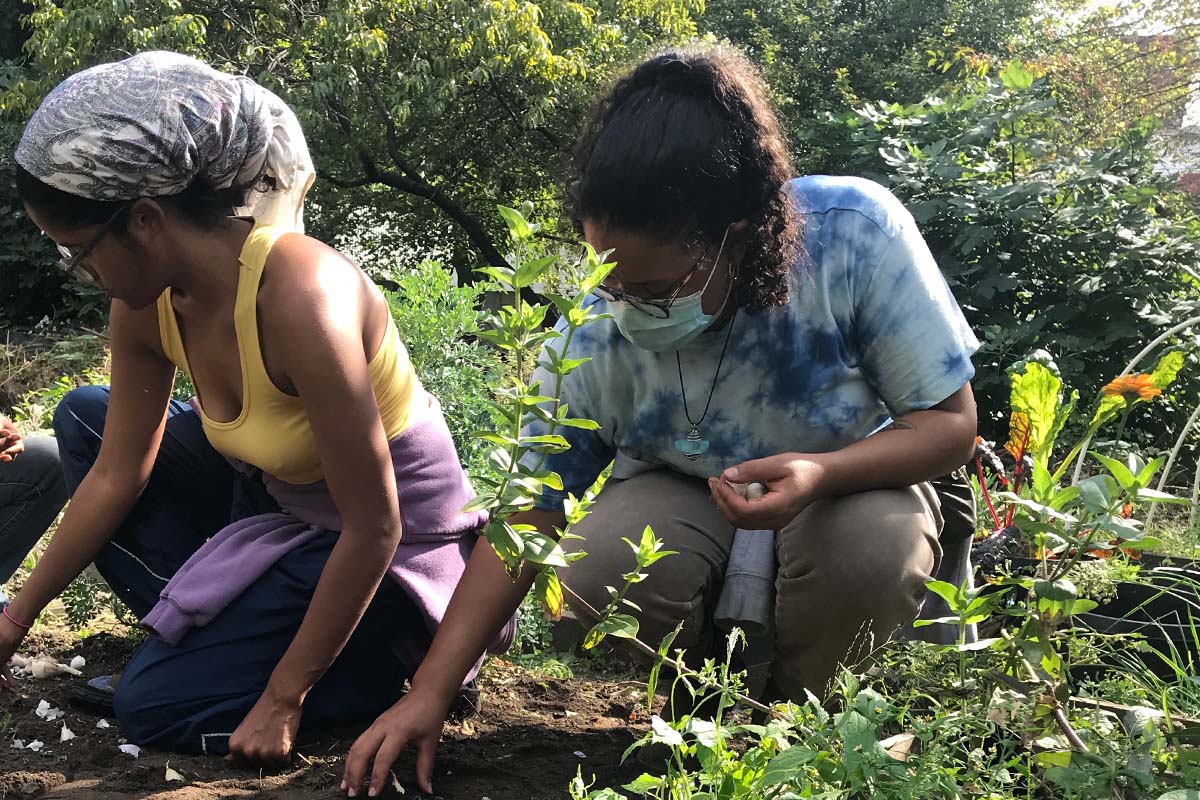
Participants growing garlic at the Farm School NYC. 2025.
If Farm School NYC Closes, What Will the City Lose?
Farm School NYC and Iris M. Crawford

Like what you see?

Subscribe to the NPQ newsletter to have our top stories delivered directly to your inbox.

See our newsletters

By signing up, you agree to our privacy policy and terms of use, and to receive messages from NPQ and our partners.

  • About
  • Advertise
  • Careers
  • Contact
  • Copyright
  • Donate
  • Editorial Policy
  • Funders
  • Submissions

We are using cookies to give you the best experience on our website.


Nonprofit Quarterly | Civic News. Empowering Nonprofits. Advancing Justice.
Powered by  GDPR Cookie Compliance
Privacy Overview

This website uses cookies so that we can provide you with the best user experience possible. Cookie information is stored in your browser and performs functions such as recognising you when you return to our website and helping our team to understand which sections of the website you find most interesting and useful.

Strictly Necessary Cookies

Strictly Necessary Cookie should be enabled at all times so that we can save your preferences for cookie settings.