There’s budgeting in a downturn—and then there’s budgeting in a political maelstrom.
Nonprofit leaders must do what they must always do: Attempt to create and implement strategic budgets.
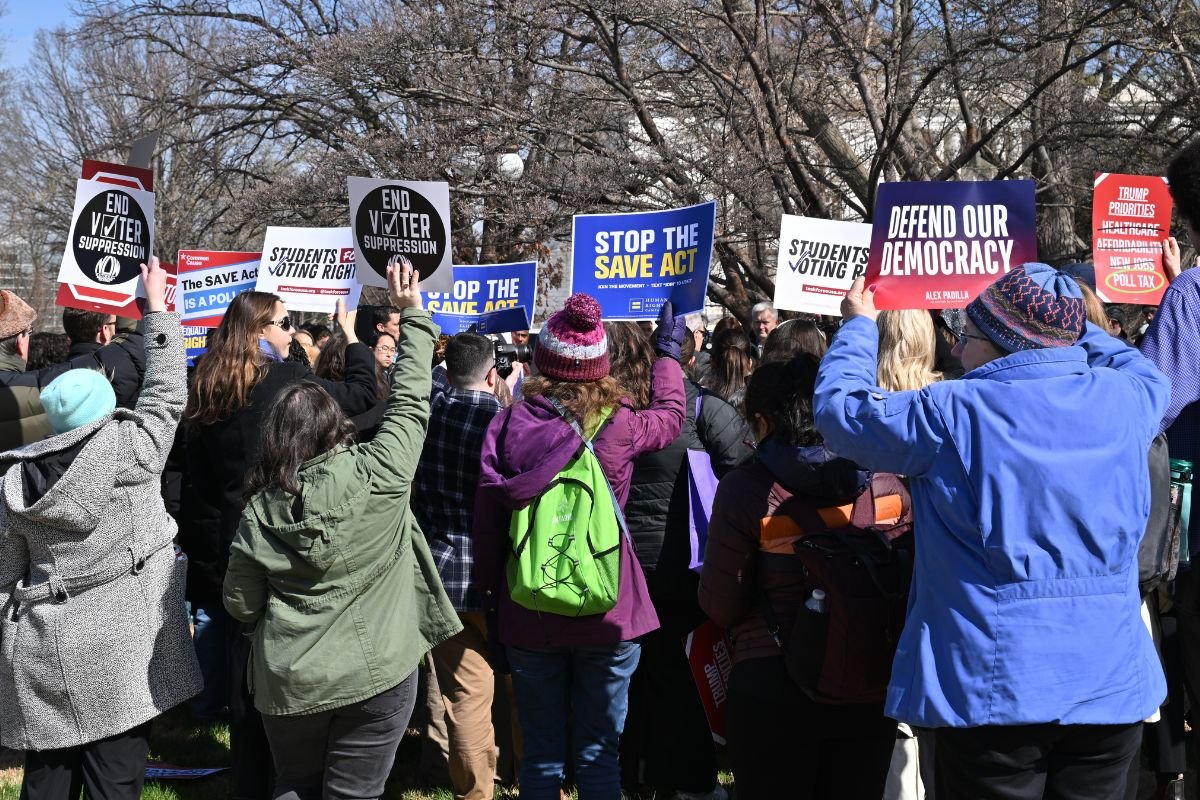
Since January, the Trump administration and its allies in Congress have moved quickly and deliberately to implement a flurry of executive orders, new regulations, and laws that target nonprofit organizations whose missions or values aren’t in line with those of the White House.
As 2025 unfolds, nonprofit leaders are not simply planning around inflation, donor fatigue, or rising program costs. They’re operating in a landscape where federal support is unstable by design: funding cuts, shutdowns, targeted investigations, threats to strip nonaligned nonprofits of their status—all are being used by ideological operatives in the halls of power to attempt to cripple our sector.
Yet nonprofit leaders must do what they must always do: Attempt to create and implement strategic budgets that will allow their organizations to survive and carry out their missions.
How to do so—what to know about the current environment, how to assess new risks, and what new tools may need to be put to use to make it through—involves profound questions to which we at NPQ aim to provide some insight.
Assessing the Challenging Landscape
The waves of funding cuts already implemented since January 2025 have left the nonprofit sector reeling.
United Way Worldwide described the moment as “a difficult funding environment” that has now become “even more perilous,” as shutdown delays compound the earlier rescission of roughly $425 billion in federal funds across multiple sectors.
The Urban Institute surveyed nearly 3,000 nonprofit leaders about their top concerns for 2025. Their findings are stark:
- 55 percent of leaders said their organization’s financial health was their biggest concern.
- Of those, 92 percent cited financial uncertainty to be the cause of worry, not a specific funding stream.
- 65 percent specifically named general revenue as their primary anxiety.
In short: The issue is not only that funding is shrinking—it’s that leaders can’t predict anything.
The ongoing government shutdown has, of course, only exacerbated this uncertainty, while creating an immediate financial crisis for many nonprofits directly or indirectly dependent on functioning government services.
Angela F. Williams, CEO of United Way Worldwide, noted that shutdown disruptions “exacerbate existing inequities,” warning that even short interruptions in federal benefits like SNAP or rent assistance can “trigger spirals of housing instability, job loss, or health decline.”
The issue is not only that funding is shrinking—it’s that leaders can’t predict anything.
Scenario Planning Becomes Existential Planning
Much of the latest advice from financial experts touches on similar themes: Stop budgeting for what you hope will happen; start budgeting for what could happen.
The Nonprofit Finance Fund (NFF), in the guide Recession Tips for Nonprofits, urged leaders to assume instability and “budget conservatively with best and worst case scenarios,” conduct regular cash-flow projections, and postpone expansion plans.
Sign up for our free newsletters
Subscribe to NPQ's newsletters to have our top stories delivered directly to your inbox.
By signing up, you agree to our privacy policy and terms of use, and to receive messages from NPQ and our partners.
NFF’s guidance on approaching risk assessment and scenario planning includes the following, described in more detail on their website:
Assessing Risk
- Determine possible reductions, delays, or losses of revenue streams.
- Conduct program economics analysis.
- Assess current levels of liquidity using multiple measures.
- Determine availability/use of any reserve funds for “rainy days.”
Addressing Risk
- Keep internal lines of communication open.
- Budget conservatively with best and worst case scenarios.
- Stay in front of funders.
- Diversify with caution.
- Reevaluate growth plans.
As NFF pointed out, “Getting through such crises requires communication, transparency, and planning.”
Adaptation Strategies Emerging Across the Field
Nonprofits are, of course, already innovating to adapt to the fraught moment in which we find ourselves.
The professional services firm BerryDunn’s article “Nonprofit Finance Trends for 2025” identifies some key strategies leaders are using to adapt right now:
- Prioritizing donor retention over new acquisition
- Increasing financial transparency and internal audits
- Pursuing collaborative partnerships for grant funding
- Building workforce stability into budget planning
These practices are not new. What’s new is the urgency.
Notably, some nonprofits are adopting a different set of practices: strategizing for legal representation and resilience in a time of increased threat and uncertainty.
As we reported recently, legal volunteer platform We the Action has assembled a large network of pro bono lawyers to connect with smaller nonprofits looking for preemptive legal services—those aimed at regulatory compliance, internal risk assessment, and legal readiness.
For More on This Topic:
Budgeting for Nonprofits from the National Council of Nonprofits
How Nonprofits Can Strengthen Their Finances in Turbulent Times
How Are Foundations Responding to Federal Cuts?