logo logo
giving banner
Donate
    • Membership
    • Donate
  • Social Justice
    • Racial Justice
    • Climate Justice
    • Disability Justice
    • Economic Justice
    • Food Justice
    • Health Justice
    • Immigration
    • LGBTQ+
  • Civic News
  • Nonprofit Leadership
    • Board Governance
    • Equity-Centered Management
    • Finances
    • Fundraising
    • Human Resources
    • Organizational Culture
    • Philanthropy
    • Power Dynamics
    • Strategic Planning
    • Technology
  • Columns
    • Ask Rhea!
    • Ask a Nonprofit Expert
    • Economy Remix
    • Gathering in Support of Democracy
    • Humans of Nonprofits
    • The Impact Algorithm
    • Living the Question
    • Nonprofit Hiring Trends & Tactics
    • Notes from the Frontlines
    • Parables of Earth
    • Re-imagining Philanthropy
    • State of the Movements
    • We Stood Up
    • The Unexpected Value of Volunteers
  • CONTENT TYPES
  • Leading Edge Membership
  • Newsletters
  • Webinars

Nonprofit Newswire | Get Out the Popcorn: Lost Films Found

Bruce S Trachtenberg
June 8, 2010

June 7, 2010; Source: Los Angeles Times | We’ve heard of museums returning sculptures and paintings that were looted or otherwise removed from their native countries illegally or inappropriately. But in a unique twist on the practice of art repatriation, national archives that exist to preserve rare films are cooperating to return copies of missing prints found in their collections, including some thought to have been destroyed decades ago.

Of particular note is a new partnership between the New Zealand Film Archive and the National Film Preservation Foundation (NFPF) in the United States to preserve and return a selection of 75 silent films that haven’t been seen in this country for more than 80 years. One of the missing silent films found in New Zealand, and considered a “crown jewel,” is “Upstream.” Directed by John Ford in 1927, the film features a romance between a Shakespearean actor and a girl from a knife-throwing act.

Usually the last stop on the distribution circuit, prints sent to New Zealand and Australia were supposed to have been destroyed to save the costs of returning them to their home studios. However, many films “were squirreled away” where they’ve remained in the countries’ national archives, according to Annette Melville, director of the NFPF, the nonprofit charitable affiliate of the National Film Preservation Board of the Library of Congress.

Sign up for our free newsletters

Subscribe to NPQ's newsletters to have our top stories delivered directly to your inbox.

By signing up, you agree to our privacy policy and terms of use, and to receive messages from NPQ and our partners.

The films being returned from New Zealand will be shared among five archives in the U.S.: the Academy of Motion Picture Arts and Sciences, the George Eastman House, the Library of Congress, the Museum of Modern Art and the UCLA Film & Television Archive. Some, such as “Upsteam,” because they were printed on volatile, hazardous nitrate stock, first have to restored and then copies made before being sent home. Preservation costs are expected to top $500,000.

Mike Pogorzelski of the Academy of Motion Picture Arts and Sciences, tells the Los Angeles Times, “The most important thing to take away from this is that these films are still out there.” The academy will screen “Upstream” on Sept. 1 as part of its “Lost and Found” series.—Bruce Trachtenberg


Our Voices Are Our Power.

Journalism, nonprofits, and multiracial democracy are under attack. At NPQ, we fight back by sharing stories and essential insights from nonprofit leaders and workers—and we pay every contributor.

Can you help us protect nonprofit voices?

Your support keeps truth alive when it matters most.
Every single dollar makes a difference.

Donate now
logo logo logo logo logo
See comments

You might also like
Supermajority, Group Organizing Women Around Politics, Is Shutting Down
Jennifer Gerson
Nonprofits Devise Creative Solutions to Address Federal Funding Cuts
Vicki Pozzebon
Does Personal Investment Hurt Fundraising?
Rochelle Jerry
Beyond the Plantation Economy: How Alabama Can Benefit from Cooperatives
Andre Carter
Women’s Rights Under Siege—but We’ve Come Too Far to Go Back
Ann Lehman
For Every $100 Foundations Give, Only 19 Cents Go to Volunteer Support
Jan Masaoka

Upcoming Webinars

Group Created with Sketch.
January 29th, 2:00 pm ET

Participatory Decision-making

When & How to Apply Inclusive Decision-making Methods

Register
Group Created with Sketch.
February 26th, 2:00 pm ET

Understanding Reduction in Force (RIF) Law

Clear Guidance for Values-centered Nonprofits

Register

    
You might also like
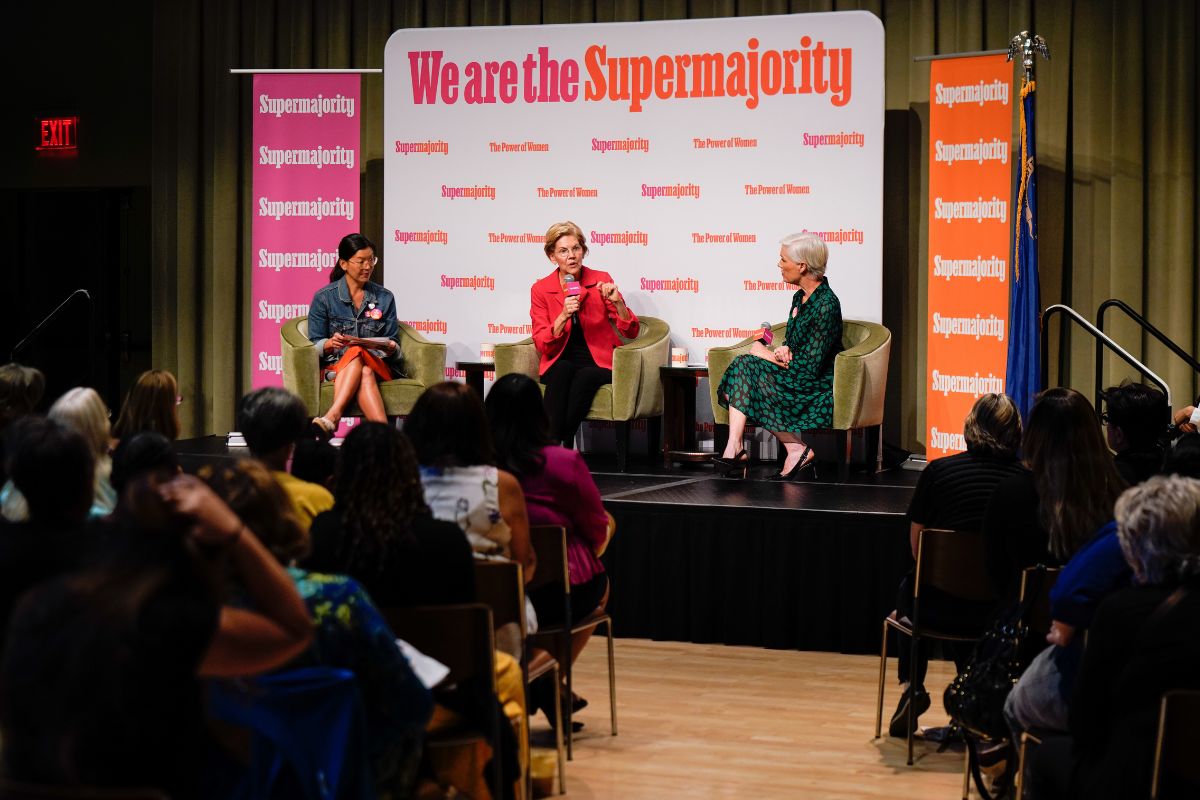
Senator Elizabeth Warren speaks into a microphone in front of a sign reading "We are the Supermajority" while an audience listens.
Supermajority, Group Organizing Women Around Politics, Is...
Jennifer Gerson
A red circle overlayed on a yellow background with three multi-colored dots on each side. In the center it reads, " Isaiah Thompson: Staff Picks for 2025"
Staff Picks for 2025: Isaiah Thompson
Isaiah Thompson
Staff Picks for 2025: Steve Dubb
Steve Dubb

Like what you see?

Subscribe to the NPQ newsletter to have our top stories delivered directly to your inbox.

See our newsletters

By signing up, you agree to our privacy policy and terms of use, and to receive messages from NPQ and our partners.

  • About
  • Advertise
  • Careers
  • Contact
  • Copyright
  • Donate
  • Editorial Policy
  • Funders
  • Submissions

We are using cookies to give you the best experience on our website.


Nonprofit Quarterly | Civic News. Empowering Nonprofits. Advancing Justice.
Powered by  GDPR Cookie Compliance
Privacy Overview

This website uses cookies so that we can provide you with the best user experience possible. Cookie information is stored in your browser and performs functions such as recognising you when you return to our website and helping our team to understand which sections of the website you find most interesting and useful.

Strictly Necessary Cookies

Strictly Necessary Cookie should be enabled at all times so that we can save your preferences for cookie settings.