There are some fields where a profit motive just makes matters worse, and education appears to be one of them.
Turning a Profit through Nonprofit Charter Schools: Communities Get a Bad Deal



There are some fields where a profit motive just makes matters worse, and education appears to be one of them.

Dialysis patients at for-profit centers lack access to transplant options compared to nonprofit centers. Could profit margins be a reason?

The California State Senate has voted 29–11 to classify ride-hailing drivers as employees. The bill is expected to soon become law.
Jerry Falwell Jr. hired his son Trey’s company to manage a piece of real estate, and the shopping center on it, which is owned by Liberty University.
Often overlooked in our national infrastructure is the community development corporation, with its rich history of mobilizing and creating resilient structures within low-income communities.

Next month, Native musicians and members of the South Dakota Symphony Orchestra will bring their unique and time-tested blend of music and cultures to audiences in Washington, DC.
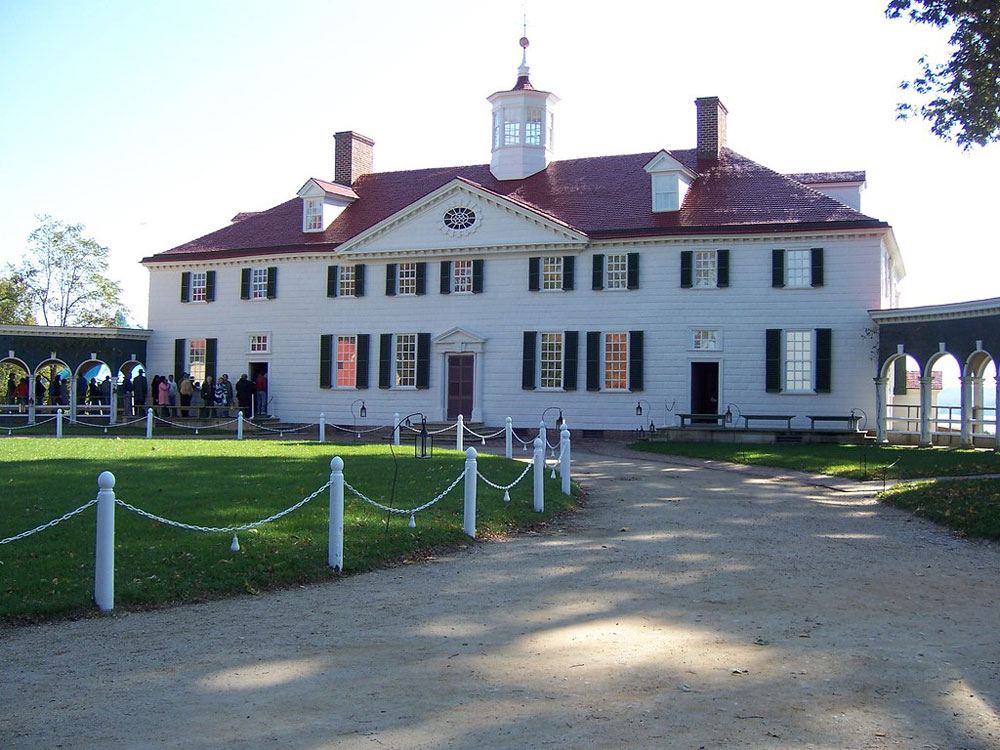
Visitors to Virginia’s historical homes arrive to wander through a piece of history, but until recently, the story told has been warped.
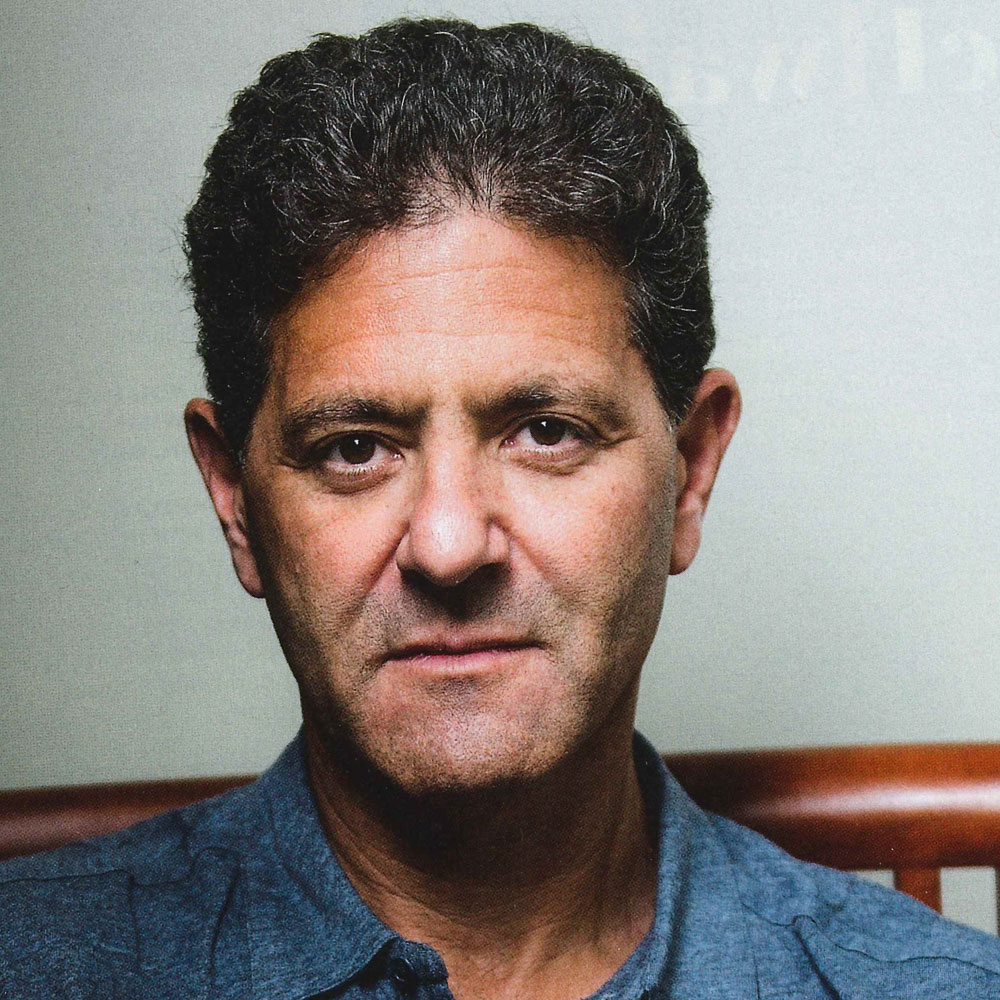
Tiny Spark’s new season launches with multimillionaire Nick Hanauer, who calls on the nation’s wealthiest to pay more tax and for all of us to pay more attention to righting the economy’s systemic wrongs.

Charitable giving declined in the first half of 2019. Many smaller nonprofits are feeling the pain—and this is pre-recession!
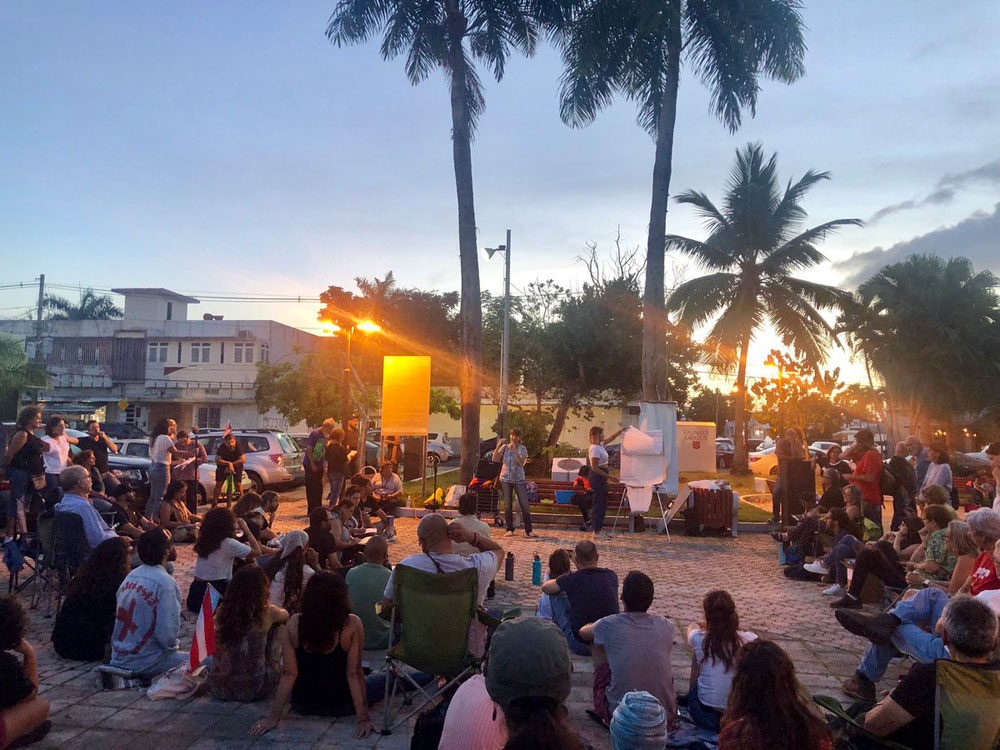
Puerto Rico is part of a global trend of a growing civil society that seeks its own spaces and methods.
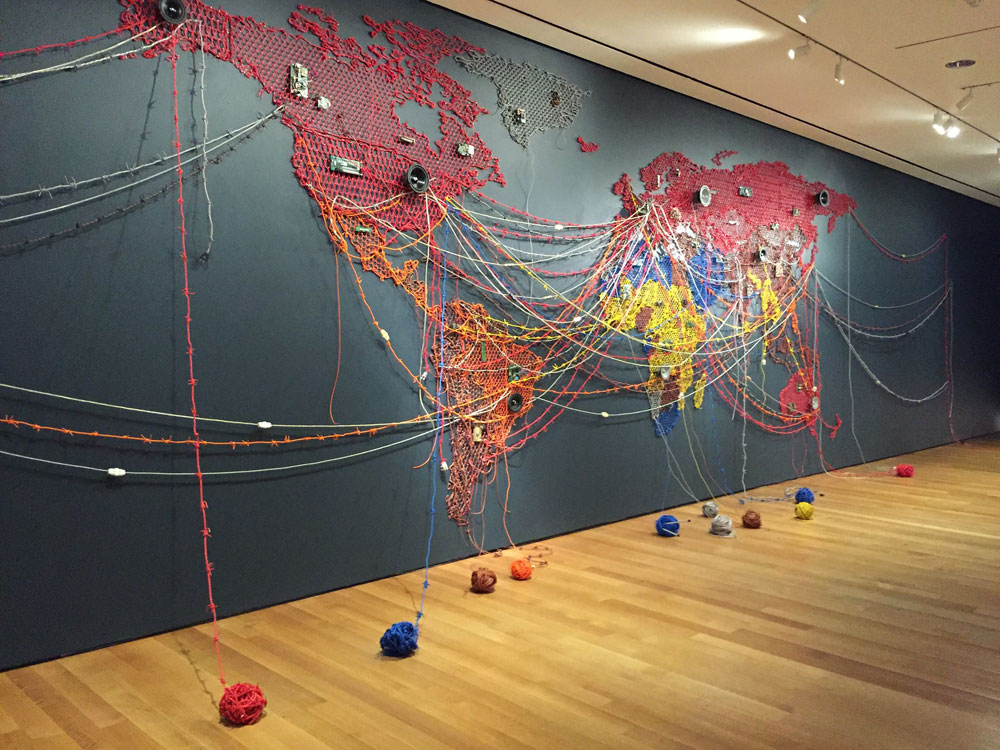
New York City’s Museum of Modern Art will reopen on October 21st, with a “multiple stories” approach to curation made more central to its new identity.

Nonprofits are losing their ability to attract and engage the public as donors, which should set alarms ringing throughout the sector. Here are some tactics to consider.