The stories or narratives that bind movements for the long haul are those that come from the ground up and resonate with multiple generations of the communities impacted.
How to Build Stories with Staying Power



The stories or narratives that bind movements for the long haul are those that come from the ground up and resonate with multiple generations of the communities impacted.

In philanthropy, the focus is often on innovation. But often the most powerful approaches are community-based strategies that Black and Indigenous communities have used for centuries.

In the San Francisco Bay Area, a Native movement has catapulted from a land occupation to preserve burial grounds into a growing Indigenous women-led land trust.

Women leaders of color deserve the training required to be confident in financial matters.
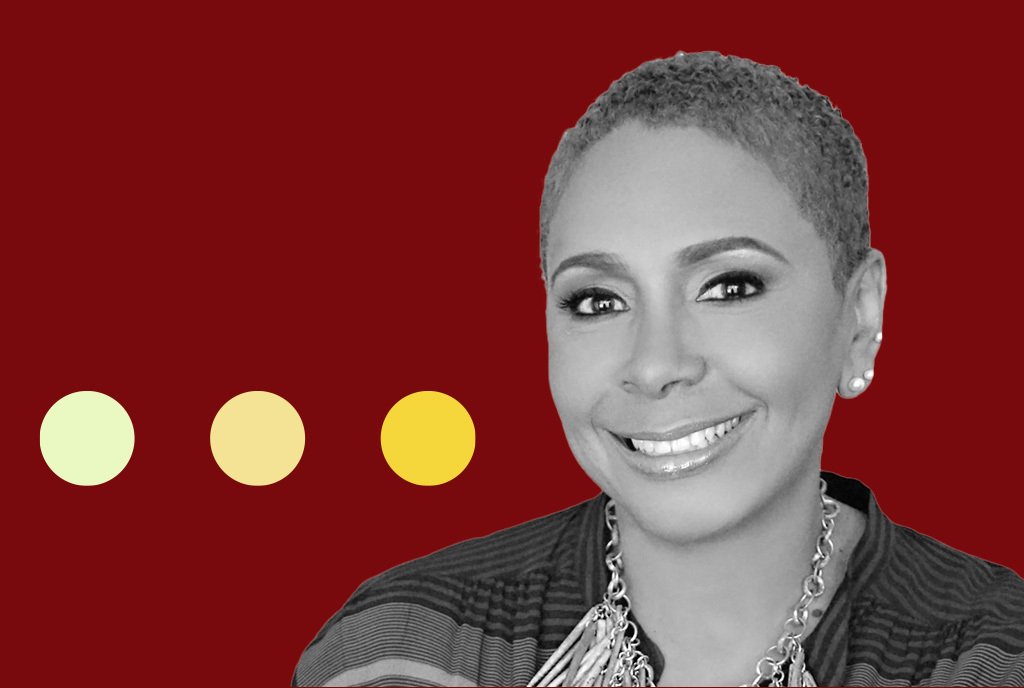
As the CEO of the Tides Foundation, Janiece Evans-Page seeks to use her position to bring about change and open doors for others.

A new survey and study indicate the world temperature may have already risen higher than the 1.5C pledge set by the Paris Climate Agreement.

“Net zero” emissions strategies have been lauded as a solution to the climate crisis, but companies are failing to live up to their promises.
An upsetting number of women of color in leadership positions have, over the past two years alone been fired or forced out of their organizations, or “chosen” to leave, or are confronting tense-to-hostile relationships with their boards around their leadership and stewardship. There is a power struggle at play—an old guard having to make way for a new guard—and backlashes are ensuing.
Our organizations exist to achieve important goals, and when we’re consumed by painful turmoil internally, it becomes increasingly impossible to focus on those goals. To meet these challenges of our time, we must work together across difference.
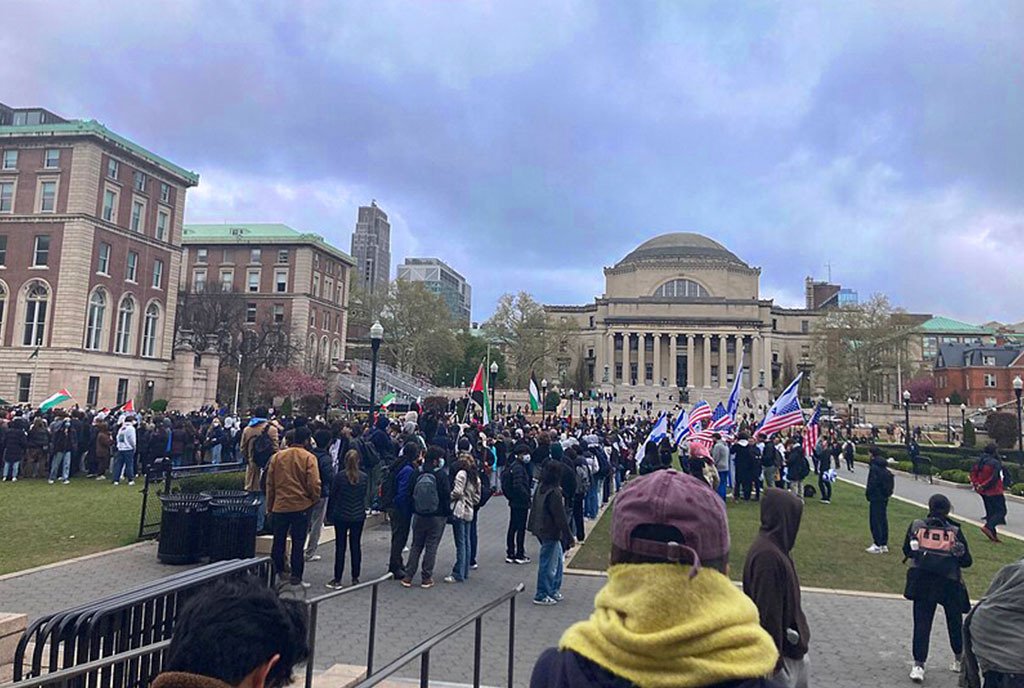
A persistent movement of Jewish academics rejects claims that recent protests are anti-Semitic.
Effectively reducing the racial wealth gap requires more than checks to individuals, it requires changing the racialized economic system that created the gap in the first place.

The solidarity economy in Bolivia is deep, highly developed, and culturally grounded. It has much to teach US solidarity economy organizers.