Union workers at the legal services nonprofit Mobilization for Justice (MFJ) reflect on the issues that have led up to their months-long strike.
Nonprofit Legal Service Workers in New York City Strike for a Fair Contract
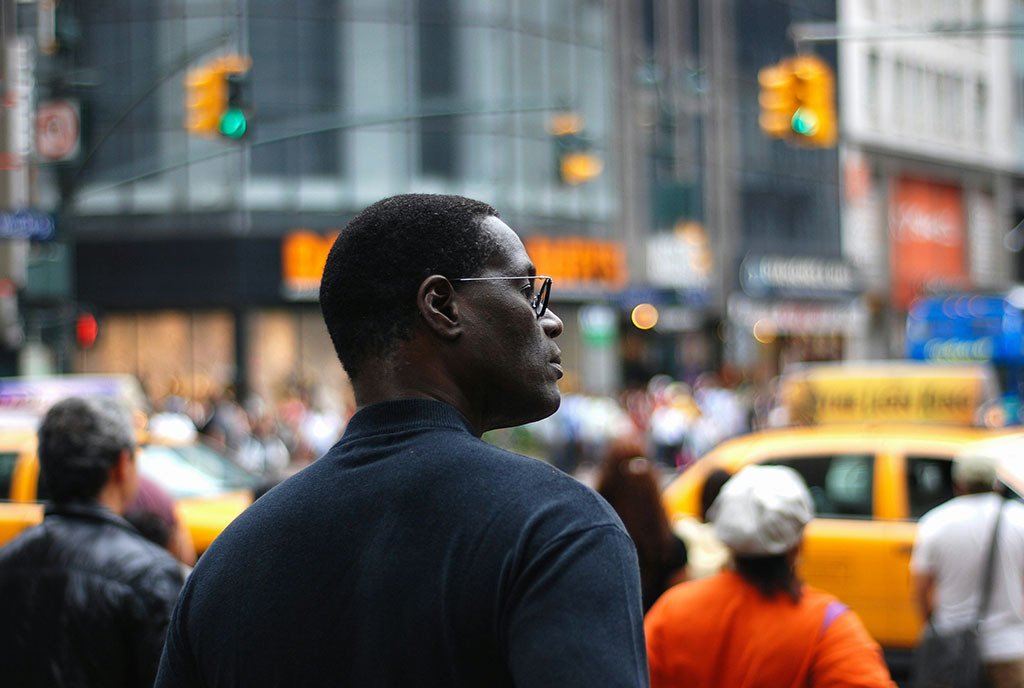


Union workers at the legal services nonprofit Mobilization for Justice (MFJ) reflect on the issues that have led up to their months-long strike.

Alone, worker co-ops cannot bring about a solidarity economy. But combined with a political worldview that challenges systemic inequality, they can play a critical role.

US banking has famously become concentrated among a few “too big to fail” banks in the past few decades. Now, both activists and policymakers are calling for new limits.
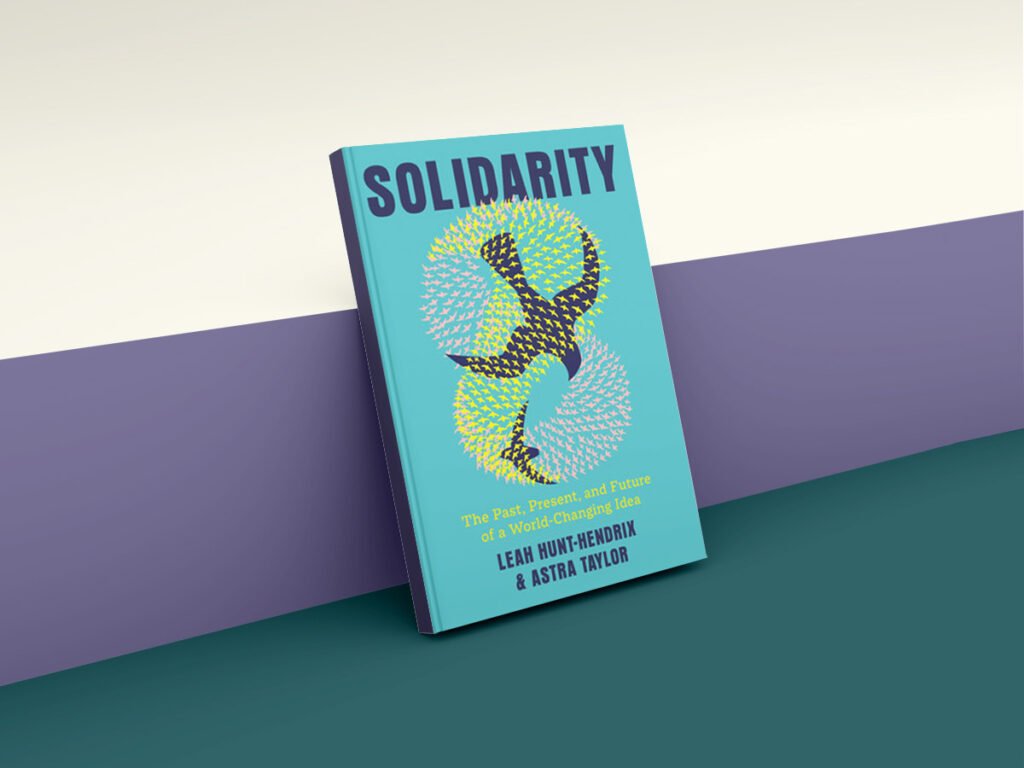
How might solidarity help nonprofits, movement groups, and philanthropy build a world centered in racial and economic justice?

More nonprofit employees are seeking to democratize leadership through what are being called “worker self-directed nonprofits.” It’s not easy but it can be rewarding.

As the Edward W. Hazen Foundation prepares to close its doors, it leaves advice on how to build better funder and grantee relationships.

A proposed bill would ban diversity, equity, and inclusion (DEI) in medical schools, threatening the diversity of medical schools, and, consequently, the provision of healthcare for vulnerable communities.

Loneliness is an epidemic. How is the climate crisis contributing to social isolation, and can nonprofits and new legislation help?
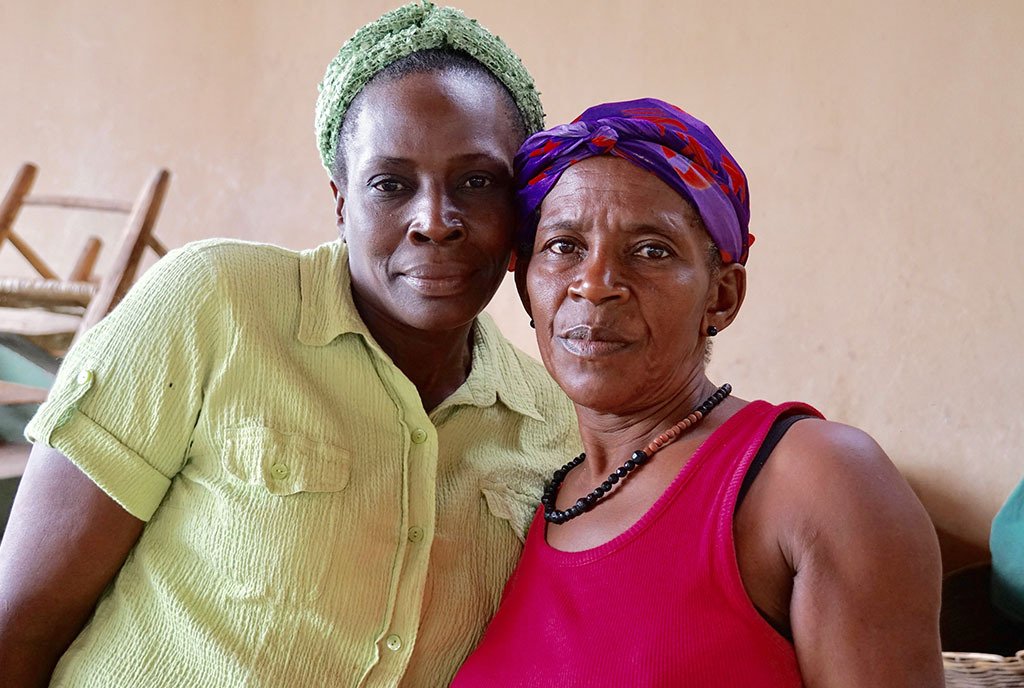
Amid the recent crisis in Haiti, women are stepping up to support those most impacted.

Reparations is about three main things: resources, policies and programs, and ending anti-Blackness. The latter requires analysis and vision to remake the future.
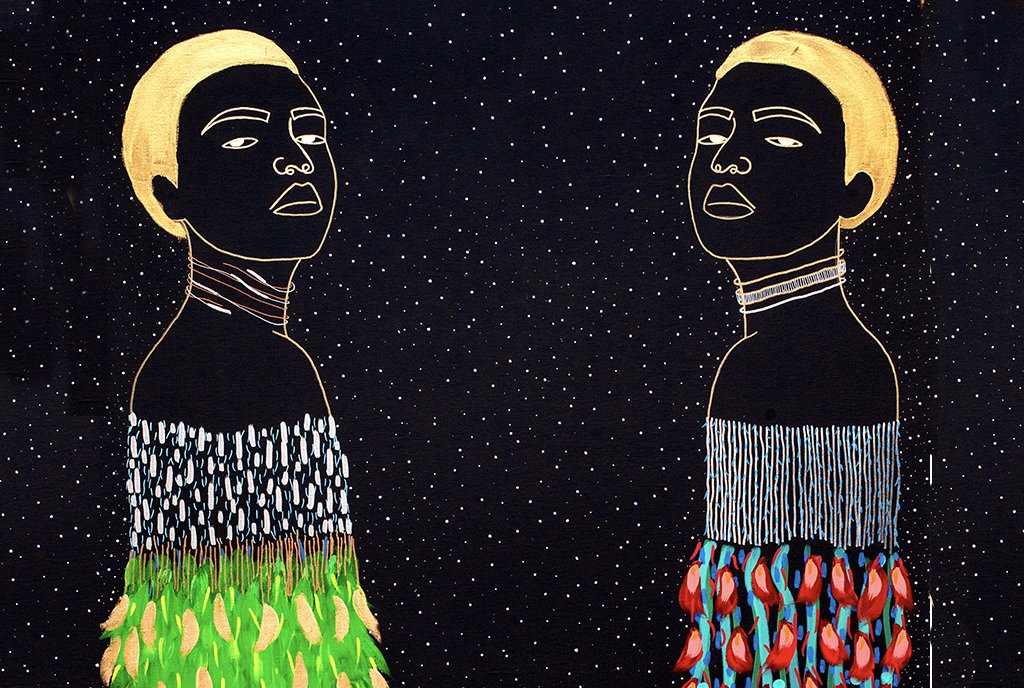
The endemic nature of harmful experiences in unsupportive and toxic workplaces creates a collective emotional drain among women of color leaders in the United States. Women of color leaders are being depleted while navigating harm at the interpersonal, institutional, and societal levels, distracting and derailing energy, creativity, and attention from the intended work of creating a more just world for all.

Many organizational executives who identify as Black and women are not sure how much longer they will be able to continue in their leadership roles. The physical, mental, emotional, and spiritual toll of doing the emotional labor expected of us—the labor that racism socializes others to expect us to do in the workplace and beyond—has been documented as shortening our lives.