We take it for granted that big nonprofits, with big budgets and sophisticated internal bureaucracies and so on, have lawyers. Nonprofits require legal assistance, after all, on everything from defending against lawsuits to personnel matters, to ensuring compliance with state and federal regulations.
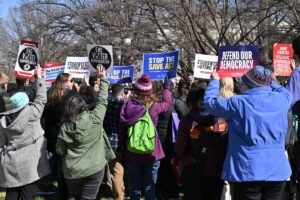
But most nonprofits aren’t big. They’re small, operating on shoestring budgets. Those nonprofits need lawyers, too, and maybe especially now that the sector faces unprecedented threats from the Donald Trump administration and its GOP allies in Congress, who have rolled forth a multitude of regulations, policies, and proposed laws to target progressive nonprofits.
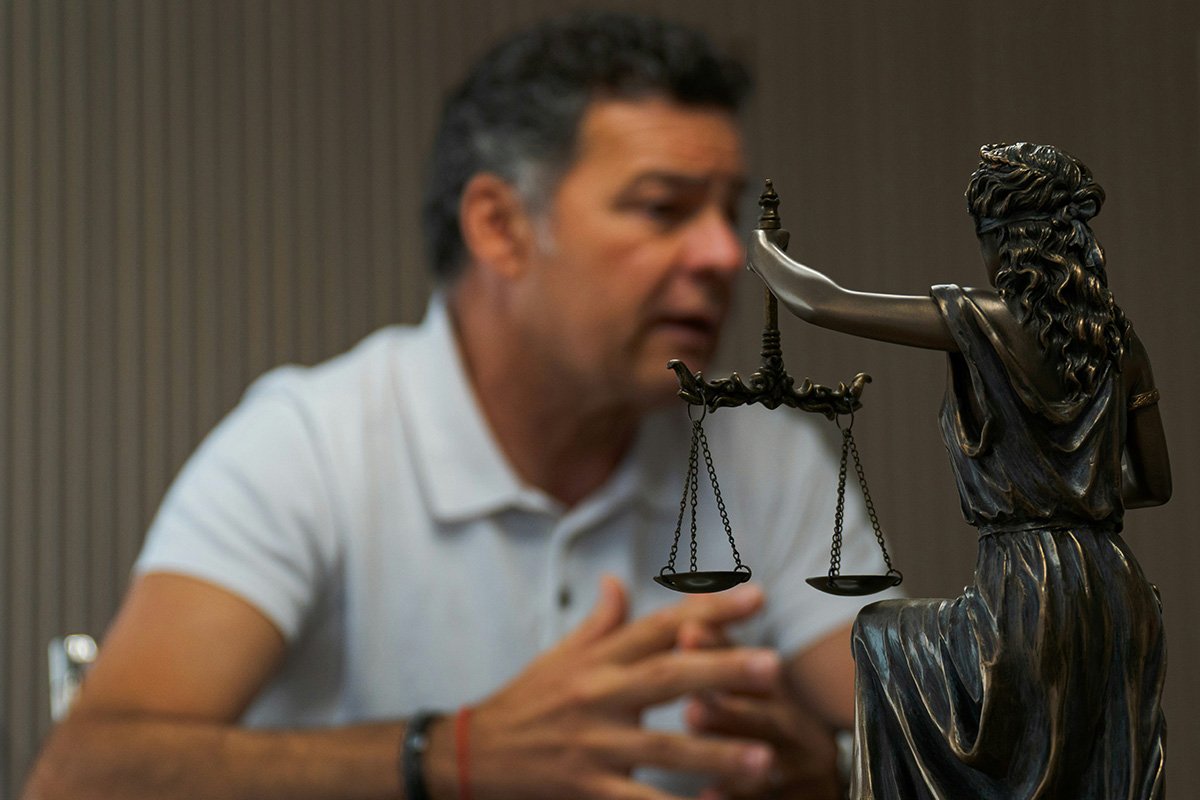
Enter We the Action, a legal volunteerism platform that connects nonprofits that can’t afford in-house counsel with pro bono legal assistance.
Since 2017, the organization has been matching nonprofits with a network of more than 50,000—that’s correct, 50,000—volunteer lawyers and says it’s facilitated some $200 million in free legal services.
“We have seen this challenge coming for quite some time.”
Their newest project is the Nonprofit Legal Defense Network, launched in September with Alliance for Justice, aimed at helping nonprofits shore up their legal game, so to speak, in order to meet the ever-scarier legal landscape in which we find ourselves.
“What we really want to do is make sure that we are working with nonprofits and helping build organizational resiliency, helping them prepare to meet the challenges ahead,” Executive Director Anna Chu told NPQ.
Time to Get a Lawyer
Chu said the new campaign is a direct response to the rapidly escalating threats to a nonprofit sector that is simultaneously grappling with cuts to funding and new regulations, as well as bad-faith political actors targeting organizations who uphold progressive values.
“We can get you connected with a lawyer.”
Sign up for our free newsletters
Subscribe to NPQ's newsletters to have our top stories delivered directly to your inbox.
By signing up, you agree to our privacy policy and terms of use, and to receive messages from NPQ and our partners.
“We have seen this challenge coming for quite some time,” said Chu. “As a sector, we know the pattern. We’re underresourced. We are always trying to stretch one staffer across four job descriptions. The legal budget is usually zero.”
Rather than focus on legal defense for nonprofits that have already found themselves embroiled in investigations or potential prosecution by bad actors, the new network is instead aimed at helping nonprofits protect themselves preemptively from legal danger, such as audits to challenges to tax-exempt status or attacks in the press.
One-Hour Clinics
One entry point to the new network is a one-hour risk assessment clinic.
Chu says the clinic is designed to be beginner-friendly, aimed at nonprofits that don’t have the luxury of an in-house legal team to oversee issues like regulatory compliance, financial reporting, and by-the-books governance.
“If you tell the average nonprofit leader, ‘Hey, you need to talk to the lawyer.’ They’re going to tell you, ‘That’s great. I have 50,000 things on my to-do list,’” noted Chu and added that the clinic is designed to help cut through that inertia.
At the end of the hour, either an attendee feels all their bases are covered, or “We can get you connected with a lawyer who’s an expert on that issue and help you address it,” she said.
The bottom line, Chu emphasizes, is that nonprofits must accept that we have entered a period of heightened risk, whether from new executive orders and regulations affecting nonprofits, new laws being drafted by White House allies in Congress aimed at targeting progressive nonprofits, or new developments yet to take shape.
“You do not want to be under threat and facing crisis and then find out at that point you didn’t do half of what you needed to do correctly,” said Chu.