
logo logo
Fund the truth. #Wethecivic giving banner
Donate
    • Membership
    • Donate
  • Social Justice
    • Racial Justice
    • Climate Justice
    • Disability Justice
    • Economic Justice
    • Food Justice
    • Health Justice
    • Immigration
    • LGBTQ+
  • Civic News
  • Nonprofit Leadership
    • Board Governance
    • Equity-Centered Management
    • Finances
    • Fundraising
    • Human Resources
    • Organizational Culture
    • Philanthropy
    • Power Dynamics
    • Strategic Planning
    • Technology
  • Columns
    • Ask Rhea!
    • Ask a Nonprofit Expert
    • Gathering in Support of Democracy
    • Humans of Nonprofits
    • The Impact Algorithm
    • Living the Question
    • Nonprofit Hiring Trends & Tactics
    • Notes from the Frontlines
    • Parables of Earth
    • Reimagining Philanthropy
    • State of the Movements
    • We Stood Up
    • The Unexpected Value of Volunteers
  • Newsletters
  • NPQ Online Events
    • Premium Webinars
    • Learn Out Loud
    • Partner Events
    • On Demand
  • Leading Edge Membership

Annual Donor-Advised Funds Report Shows High Growth in Giving and Assets

Ruth McCambridge
November 14, 2018

November 13, 2018; ThinkAdvisor

The National Philanthropic Trust released its annual report on donor-advised funds (DAFs) yesterday. As expected, the growth of assets held by the sponsoring organizations, which include commercial funds, community foundations, and common funds (like Jewish federations), was close to phenomenal at 27.3 percent. At the end of 2017, these assets, destined for charitable donations, totaled $110 billion, surpassing for the first time the $100-billion mark. Contributions to these funds were up by 16.5 percent. The only decrease in all of this was the funds’ average size, which went down by 20.5 percent. This trend was predicted last year by many of those watching donor reactions to the tax overhaul bill.

Interestingly, though the reduction in the size of funds seems to indicate that some donors were essentially bundling money for future giving into the funds last year to take advantage of tax law, money granted to charity increased in 2017 to $19.1 billion from $15.9 billion the previous year. The grant payout rate was also increased to 22.1 percent, an increase over the previous year of 1.5 percent.

Sign up for our free newsletters

Subscribe to NPQ's newsletters to have our top stories delivered directly to your inbox.

By signing up, you agree to our privacy policy and terms of use, and to receive messages from NPQ and our partners.

This report is NPT’s twelfth, and it drew its findings from 1,002 charitable organizations that sponsor DAFs, including national charities, community foundations, and other sponsoring charities.

Eileen Heisman, president and chief executive of NPT, an independent DAF sponsor, says of the findings, “Tax reform drove many to ‘pre-fund’ their philanthropy in 2017 when the value of their tax deduction could be higher. A booming stock market and a tense political climate spurred generosity and helped donors support the values and causes they embrace.” But she also expects continued growth. “We predict that grants from DAFs to charities will exceed $20 billion in 2018.”

There is more to analyze here, but we will keep that for another day.—Ruth McCambridge

Our Voices Are Our Power.

Journalism, nonprofits, and multiracial democracy are under attack. At NPQ, we fight back by sharing stories and essential insights from nonprofit leaders and workers—and we pay every contributor.

Can you help us protect nonprofit voices?

Your support keeps truth alive when it matters most.
Every single dollar makes a difference.

Donate now
logo logo logo logo logo
About the author
Ruth McCambridge

Ruth is Editor Emerita of the Nonprofit Quarterly. Her background includes forty-five years of experience in nonprofits, primarily in organizations that mix grassroots community work with policy change. Beginning in the mid-1980s, Ruth spent a decade at the Boston Foundation, developing and implementing capacity building programs and advocating for grantmaking attention to constituent involvement.

More about: Donor-Advised FundsNonprofit NewsPhilanthropy
See comments

Sidebar-WTC
You might also like
How Can Conservation Programs Better Connect to Farmers?
Jaycie Thomsen
How America’s Independence from England Revolutionized US Philanthropy
Amanda Moniz
The Boardroom Belongs to the Community
Kristin Lincoln
The Protesters Know Something Philanthropy Doesn’t
Bia Vieira
Built for a Time Such as This: How ABFE Used a Tumultuous Time in History to Uplift Its Community
Chelsea Crandall
Solidarity in the Face of Intimidation
Joe Goldman

Upcoming Webinars

Group Created with Sketch.
June 25, 2:00 pm ET

Reframing Organizational Risk

Register
Group Created with Sketch.
July 16, 2:00 pm ET

Readying for the 2026 Midterms

How 501(c)(3)s Can Educate and Advocate During this Election Season

Register

    
You might also like
How Can Conservation Programs Better Connect to Farmers?
Jaycie Thomsen
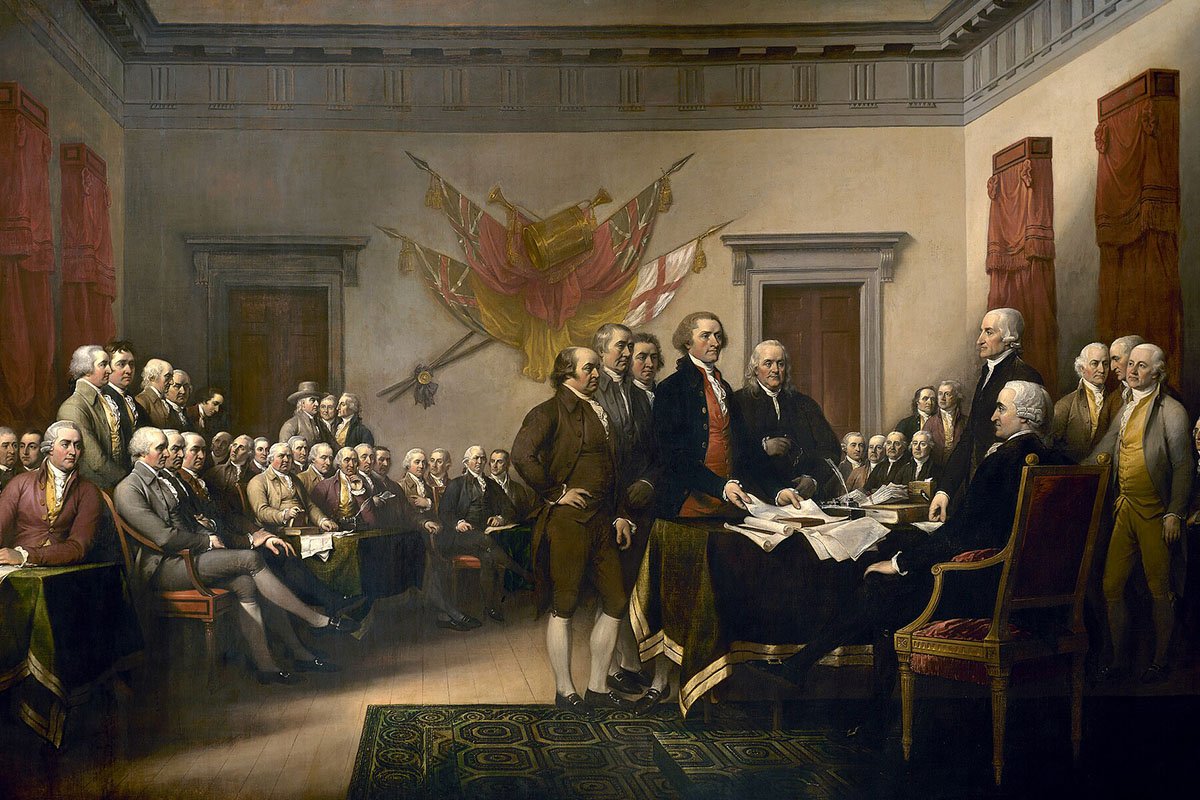
John Trumbull's painting, Declaration of Independence, depicting the five-man drafting committee of the Declaration of Independence presenting their work to the Congress.
How America’s Independence from England Revolutionized US...
Amanda Moniz
A single yellow rubber duck standing out in front of many identical rubber ducks.
The Boardroom Belongs to the Community
Kristin Lincoln

Like what you see?

Subscribe to the NPQ newsletter to have our top stories delivered directly to your inbox.

See our newsletters

By signing up, you agree to our privacy policy and terms of use, and to receive messages from NPQ and our partners.

  • About
  • Advertise
  • Careers
  • Contact
  • Copyright
  • Donate
  • Funders
  • Editorial Policy
  • Media Relations
  • Privacy Policy
  • Submissions

We are using cookies to give you the best experience on our website.


Nonprofit Quarterly | Civic News. Empowering Nonprofits. Advancing Justice.
Powered by  GDPR Cookie Compliance
Privacy Overview

This website uses cookies so that we can provide you with the best user experience possible. Cookie information is stored in your browser and performs functions such as recognising you when you return to our website and helping our team to understand which sections of the website you find most interesting and useful.

Strictly Necessary Cookies

Strictly Necessary Cookie should be enabled at all times so that we can save your preferences for cookie settings.