logo logo
giving banner
Donate
    • Membership
    • Donate
  • Social Justice
    • Racial Justice
    • Climate Justice
    • Disability Justice
    • Economic Justice
    • Food Justice
    • Health Justice
    • Immigration
    • LGBTQ+
  • Civic News
  • Nonprofit Leadership
    • Board Governance
    • Equity-Centered Management
    • Finances
    • Fundraising
    • Human Resources
    • Organizational Culture
    • Philanthropy
    • Power Dynamics
    • Strategic Planning
    • Technology
  • Columns
    • Ask Rhea!
    • Ask a Nonprofit Expert
    • Economy Remix
    • Gathering in Support of Democracy
    • Humans of Nonprofits
    • The Impact Algorithm
    • Living the Question
    • Nonprofit Hiring Trends & Tactics
    • Notes from the Frontlines
    • Parables of Earth
    • Re-imagining Philanthropy
    • State of the Movements
    • We Stood Up
    • The Unexpected Value of Volunteers
  • CONTENT TYPES
  • Leading Edge Membership
  • Newsletters
  • Webinars

Differing Worldviews: Hillary Clinton and Black Lives Matter Activists

Rick Cohen
August 20, 2015

Eye-sketch

August 18, 2018; Salon

The Black Lives Matter activists who got 15 minutes of face-to-face time with presidential candidate Hillary Clinton in New Hampshire (where she was speaking on drug policy) released a video of their meeting. The BLM activists’ public stance was noticeably less confrontational with Clinton than it had been with Bernie Sanders, confronting the progressive Vermonter as he was giving speeches. Clinton’s people got advance warning of their intent to show up, giving her staff the ability to head them off at the entrance. Nevertheless, the meeting between the activists and Clinton was hugely interesting—and at times a bit tense.

Sign up for our free newsletters

Subscribe to NPQ's newsletters to have our top stories delivered directly to your inbox.

By signing up, you agree to our privacy policy and terms of use, and to receive messages from NPQ and our partners.

The activists confronted Clinton for a “personal reflection on her responsibility for being a part of the cause of the problem” of mass incarceration due to her husband’s administration’s support for minimum sentences and other policies and her active promotion of those policies at the time. The ensuing back-and-forth revealed not simply differences in understanding between the candidate and her interlocutors, but different approaches or understandings of public policy.

Some of the Q&A, which you can read in its entirety here, is truly revealing, particularly around these issues:

  1. Hillary Clinton’s patience was tested, to be sure, and she reacted with obvious irritation at one point, suggesting that the BLM argument as she understood it would lead her to talk only to white people. That came in the context of her making strategic and tactical suggestions to the activists, which they clearly didn’t like, in the sense of a white leader telling black activists what they should do. The BLM dynamic centers significantly around respect, ending the tendency of Democratic politicians to patronize blacks and assume that they’re firmly in the Democratic column and satisfied with political bromides. If Clinton or Sanders or others find BLM direct actions disconcerting or irritating, leading them to lecture the BLM activists rather than hearing them out fully, problems could ensue.
  2. Like the confrontations with Sanders, the BLM activists wanted to see and hear personal contrition from Clinton. Sanders reacted with his policy proposals and his history as a civil rights activist, and Clinton did largely the same, with specific policy proposals (such as to “Ban the Box”) and a reference to her work with Marion Wright Edelman at the Children’s Defense Fund. The BLM protesters mentioned “hearts” a couple of times—understanding “what is in Hillary Clinton’s heart” and emphasizing the need to change the hearts of white people. Clinton didn’t buy the changing-hearts argument at all, suggesting that changing hearts is a longtime process and, ultimately, for some people impossible, but changing the laws in which people must operate is what has to happen.

There are two different worldviews in play in the BLM/Clinton meeting. The Black Lives Matter movement has taken on Bernie Sanders twice now and even recently showed up at a Jeb Bush speech in North Las Vegas. Bush has already called Black Lives Matter no more than a slogan and defended Democratic candidate Martin O’Malley’s “all lives matter” response. Nonetheless, we would guess that there’s not a lot of openness on the Republican side of the ledger to Black Lives Matter activism, given the policies, positions, and track records of several of the candidates. Democrats typically count on black votes, so what Democratic leaders do when Black Lives Matter contingents show up at their next public rallies, as we assume they will, will have meaning for how much of the black vote will turn out in November, 2016 to vote for a Democratic presidential candidate, and with what level of commitment, fervor, and energy.—Rick Cohen


Our Voices Are Our Power.

Journalism, nonprofits, and multiracial democracy are under attack. At NPQ, we fight back by sharing stories and essential insights from nonprofit leaders and workers—and we pay every contributor.

Can you help us protect nonprofit voices?

Your support keeps truth alive when it matters most.
Every single dollar makes a difference.

Donate now
logo logo logo logo logo
About the author
Rick Cohen

Rick joined NPQ in 2006, after almost eight years as the executive director of the National Committee for Responsive Philanthropy (NCRP). Before that he played various roles as a community worker and advisor to others doing community work. He also worked in government. Cohen pursued investigative and analytical articles, advocated for increased philanthropic giving and access for disenfranchised constituencies, and promoted increased philanthropic and nonprofit accountability.

More about: LiberationNonprofit NewsPolicyRacial JusticeStructural Racism
See comments

You might also like
Beyond the Plantation Economy: How Alabama Can Benefit from Cooperatives
Andre Carter
Can the Fight Against AI Revitalize the US Labor Movement?
Ted Siefer
Sacred Storm Buffalo Unfiltered: Healing Lives, Restoring Ecosystems
Kim Pate
On the Oracle Alice Wong, Disability, and Community
Alison Stine
The Deadly Combination of Pregnancy and Rural Living in the United States
Janelle Carlson
Gathering for Democracy: Dispatches from Chicago
Venu Gupta

Upcoming Webinars

Group Created with Sketch.
January 29th, 2:00 pm ET

Participatory Decision-making

When & How to Apply Inclusive Decision-making Methods

Register
Group Created with Sketch.
February 26th, 2:00 pm ET

Understanding Reduction in Force (RIF) Law

Clear Guidance for Values-centered Nonprofits

Register

    
You might also like
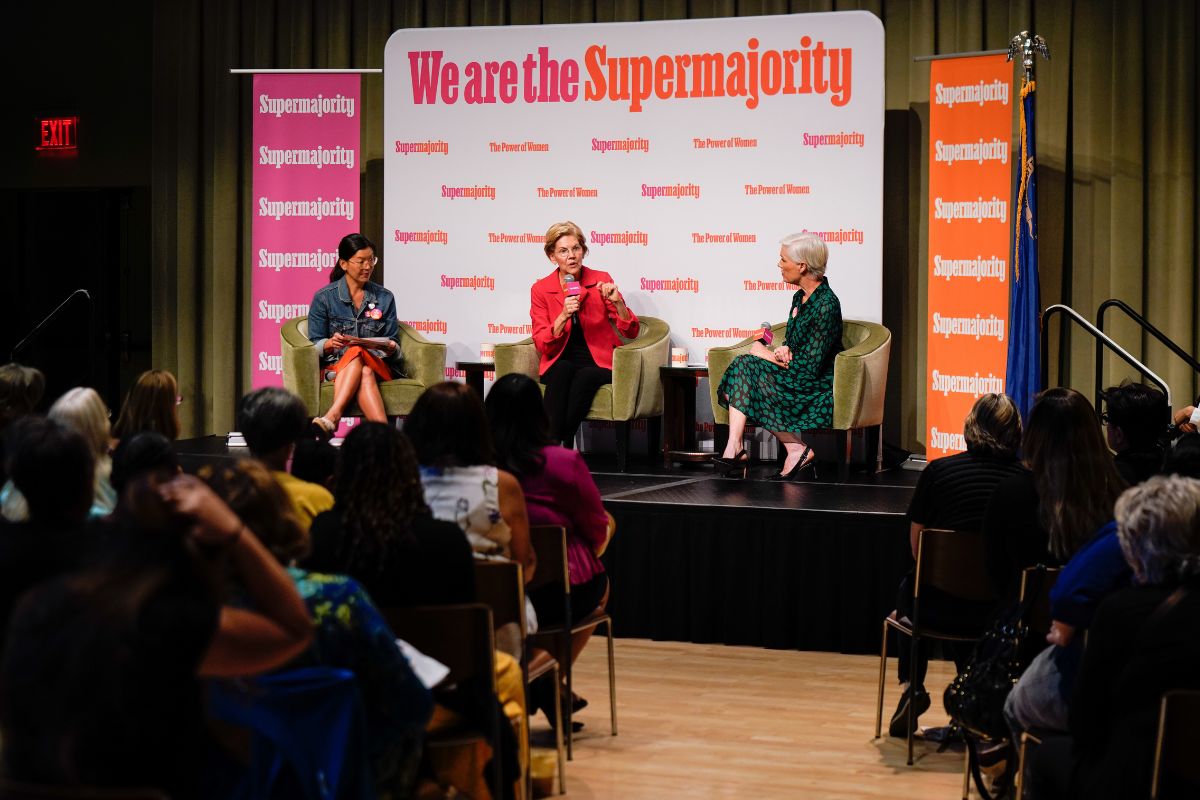
Senator Elizabeth Warren speaks into a microphone in front of a sign reading "We are the Supermajority" while an audience listens.
Supermajority, Group Organizing Women Around Politics, Is...
Jennifer Gerson
A Black woman farmer reaching over to inspect leafy greens on a farm, representing the co-ops that allow Black farmers to retain control over decisions.
Beyond the Plantation Economy: How Alabama Can Benefit from...
Andre Carter
A black and white x-ray image of human lungs.
Can the Fight Against AI Revitalize the US Labor Movement?
Ted Siefer

Like what you see?

Subscribe to the NPQ newsletter to have our top stories delivered directly to your inbox.

See our newsletters

By signing up, you agree to our privacy policy and terms of use, and to receive messages from NPQ and our partners.

  • About
  • Advertise
  • Careers
  • Contact
  • Copyright
  • Donate
  • Editorial Policy
  • Funders
  • Submissions

We are using cookies to give you the best experience on our website.


Nonprofit Quarterly | Civic News. Empowering Nonprofits. Advancing Justice.
Powered by  GDPR Cookie Compliance
Privacy Overview

This website uses cookies so that we can provide you with the best user experience possible. Cookie information is stored in your browser and performs functions such as recognising you when you return to our website and helping our team to understand which sections of the website you find most interesting and useful.

Strictly Necessary Cookies

Strictly Necessary Cookie should be enabled at all times so that we can save your preferences for cookie settings.