logo logo
Donate
    • Membership
    • Donate
  • Social Justice
    • Racial Justice
    • Climate Justice
    • Disability Justice
    • Economic Justice
    • Food Justice
    • Health Justice
    • Immigration
    • LGBTQ+
  • Civic News
  • Nonprofit Leadership
    • Board Governance
    • Equity-Centered Management
    • Finances
    • Fundraising
    • Human Resources
    • Organizational Culture
    • Philanthropy
    • Power Dynamics
    • Strategic Planning
    • Technology
  • Columns
    • Ask Rhea!
    • Ask a Nonprofit Expert
    • Gathering in Support of Democracy
    • Humans of Nonprofits
    • The Impact Algorithm
    • Living the Question
    • Nonprofit Hiring Trends & Tactics
    • Notes from the Frontlines
    • Parables of Earth
    • Reimagining Philanthropy
    • State of the Movements
    • We Stood Up
    • The Unexpected Value of Volunteers
  • CONTENT TYPES
  • Leading Edge Membership
  • Newsletters
  • Webinars

Puerto Rico to Vote on Statehood, but the Situation is Messy

Michael Wyland
June 8, 2017
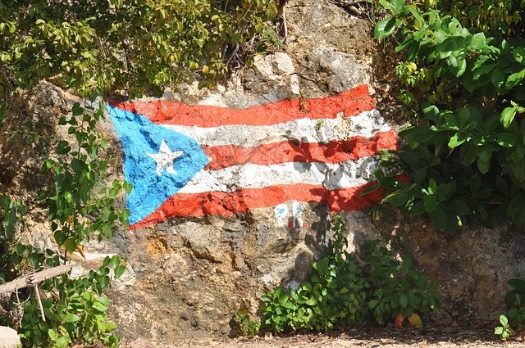
Pixabay. Public domain.

June 7, 2017; The Hill

NPQ has reported on the government-funding crisis in Puerto Rico. The territory’s government is hoping that an upcoming vote on statehood will help the island better deal with its economy by giving it more local control over taxes and business relationships, including dealing with its creditors. However, the upcoming vote is controversial both in Puerto Rico and in Washington.

The revised 2017 referendum question includes three options: statehood, “free association/independence,” or the current territorial status. The initial ballot didn’t give voters the option of continuing the status quo. Objections to this caused the U.S Justice Department to order the territory to revise the ballot.

A 2012 referendum was the first time that a majority expressed a desire that their territorial status be changed and that Puerto Rico petition the United States to be admitted as the 51st state. However, there were challenges to the validity of the results. A constituent assembly proposed by then-President Barack Obama to resolve issues was never held.

There are concerns that Puerto Rico’s Democratic voting history will make Republican lawmakers reluctant to approve a statehood petition should the island’s representatives present one. Statehood supporters remind us that similar political party assumptions about Alaska and Hawaii in 1959 turned out to be in error. The national GOP platform has supported Puerto Rico statehood for decades, including in 2016, and President Trump has “indicated openness to the idea,” according to the Hill.

Sign up for our free newsletters

Subscribe to NPQ's newsletters to have our top stories delivered directly to your inbox.

By signing up, you agree to our privacy policy and terms of use, and to receive messages from NPQ and our partners.

Anti-statehood forces and the territory’s independence party are calling for a boycott of the election. According to recent reports, 72 percent of voters plan to vote, and 20 percent plan to boycott. Statehood opponents claim that a vote for statehood by fewer than 50 percent of all residents will be invalid.

On the other hand, others object to how the statehood vote has been framed.

Sen. Roger Wicker (R-MS) spoke out against it, arguing it “unfairly stacks the deck in favor of statehood.”

He penned a letter to Attorney General Jeff Sessions objecting to the ballot’s title, “Plebiscite for the Immediate Decolonization of Puerto Rico.” Wicker said that Puerto Rico has not been a colony since its annexation from Spain in 1898.

Will Congress even receive a statehood delegation from Puerto Rico, much less schedule a vote on statehood, assuming statehood is approved by voters and the territorial governor appoints a delegation? We don’t know. The Hill reports that House Speaker Paul Ryan’s (R-WI) office did not reply to the organization’s request for comment.—Michael Wyland


Our Voices Are Our Power.

Journalism, nonprofits, and multiracial democracy are under attack. At NPQ, we fight back by sharing stories and essential insights from nonprofit leaders and workers—and we pay every contributor.

Can you help us protect nonprofit voices?

Your support keeps truth alive when it matters most.
Every single dollar makes a difference.

Donate now
logo logo logo logo logo
About the author
Michael Wyland

Michael L. Wyland currently serves as an editorial advisory board member and consulting editor to The Nonprofit Quarterly, with more than 400 articles published since 2012. A partner in the consulting firm of Sumption & Wyland, he has more than thirty years of experience in corporate and government public policy, management, and administration.

More about: Nonprofit NewsPolicyPuerto Rico
See comments

You might also like
How to Undermine Authoritarian Control: On Empowering Parallel Institutions
Gretchen Goldman and Saul Levin
What Is the SAVE America Act?
Marissa Martinez
Disability Groups Are Standing United for Trans Rights. That Hasn’t Always Been the Case.
Sara Luterman
New Student Loan Limits Could Threaten Diversity in Nursing and Public Health Programs
Lauren Nuttall
‘I’m Heartbroken’: Trans Kansans Reckon with Their Driver’s Licenses Being Invalidated
Sherman Smith and Morgan Chilson
After Years of Waiting, She Wanted to Start Gender-Affirming Care. Politics Interfered.
Orion Rummler

Upcoming Webinars

Group Created with Sketch.
April 23, 2:00 pm ET

Receiving & Giving Feedback

Essential Practices for Healthy Organizations and Communities

Register
Group Created with Sketch.
May 14, 2:00 pm ET

Equitable Compensation in Practice

A New Values-Aligned Toolkit & Discussion Guide

Register

    
You might also like
A pair of red and blue zippers, with tracks intertwined to reveal a small gap in between them. Where one zipper stops, the other zipper starts.
How to Undermine Authoritarian Control: On Empowering...
Gretchen Goldman and Saul Levin
A crowd of people hold signs that read "Stop the SAVE Act", "End Voter Suppression" and "Defend Our Democracy"
What Is the SAVE America Act?
Marissa Martinez
A person at a march holds a sign with the blue, pink, and white trans flag that reads “We See You, We’ve Got You”
Disability Groups Are Standing United for Trans Rights. That...
Sara Luterman

Like what you see?

Subscribe to the NPQ newsletter to have our top stories delivered directly to your inbox.

See our newsletters

By signing up, you agree to our privacy policy and terms of use, and to receive messages from NPQ and our partners.

  • About
  • Advertise
  • Careers
  • Contact
  • Copyright
  • Donate
  • Editorial Policy
  • Privacy Policy
  • Funders
  • Submissions

We are using cookies to give you the best experience on our website.


Nonprofit Quarterly | Civic News. Empowering Nonprofits. Advancing Justice.
Powered by  GDPR Cookie Compliance
Privacy Overview

This website uses cookies so that we can provide you with the best user experience possible. Cookie information is stored in your browser and performs functions such as recognising you when you return to our website and helping our team to understand which sections of the website you find most interesting and useful.

Strictly Necessary Cookies

Strictly Necessary Cookie should be enabled at all times so that we can save your preferences for cookie settings.