logo logo
Donate
    • Membership
    • Donate
  • Social Justice
    • Racial Justice
    • Climate Justice
    • Disability Justice
    • Economic Justice
    • Food Justice
    • Health Justice
    • Immigration
    • LGBTQ+
  • Civic News
  • Nonprofit Leadership
    • Board Governance
    • Equity-Centered Management
    • Finances
    • Fundraising
    • Human Resources
    • Organizational Culture
    • Philanthropy
    • Power Dynamics
    • Strategic Planning
    • Technology
  • Columns
    • Ask Rhea!
    • Ask a Nonprofit Expert
    • Economy Remix
    • Gathering in Support of Democracy
    • Humans of Nonprofits
    • The Impact Algorithm
    • Living the Question
    • Nonprofit Hiring Trends & Tactics
    • Notes from the Frontlines
    • Parables of Earth
    • Re-imagining Philanthropy
    • State of the Movements
    • We Stood Up
    • The Unexpected Value of Volunteers
  • CONTENT TYPES
  • Leading Edge Membership
  • Newsletters
  • Webinars

Why Hasn’t the Brown-Warren PAC Pact Caught On?

Rick Cohen
May 29, 2012

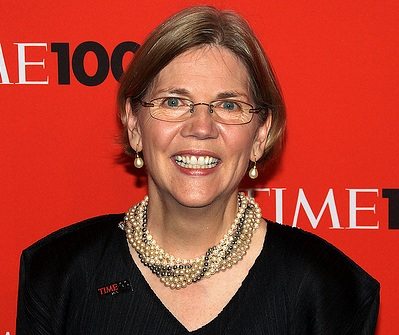
Warren

May 24, 2012; Source: USA TODAY

The NPQ Newswire has reported favorably on the deal struck between Sen. Scott Brown (R-Mass.) and his Democratic challenger, Elizabeth Warren, to shut off the spigots of independent groups such as PACs and 501(c)(4)s from running campaign ads on their behalf. Although Brown has had to pay penalties under the deal twice because of ads run by the American Petroleum Institute, their pact has largely been working, a testament to each candidate’s integrity.

But there has been just about no replication of the Brown/Warren deal anyplace else in the country. USA TODAY identifies other campaigns in Florida, Virginia, New Hampshire, Montana and elsewhere in Massachusetts where at least one candidate has offered some variation of the Brown/Warren deal, but to no avail. Why? We can think of at least three possible reasons:

Sign up for our free newsletters

Subscribe to NPQ's newsletters to have our top stories delivered directly to your inbox.

By signing up, you agree to our privacy policy and terms of use, and to receive messages from NPQ and our partners.

First, the issue might be partisan. In each additional instance cited by USA TODAY, the offer came from the Democrat and was met by the Republican with either no response (as in Florida), a rejection or a counter-proposal (as in Montana) deemed unacceptable by the Democrat. It might be that Brown is a Republican anomaly, a moderate Republican outlier in an otherwise increasingly right wing Republican Party. It may be beyond the pale for Republicans that someone could cut a deal with Elizabeth Warren, who the Republicans so reviled that they not only killed her candidacy to run the consumer protection board created by the Dodd-Frank legislation, but also tried to kill the agency as well. In an era of incredibly shrinking bipartisanship, the Brown/Warren pact may be an example of the cooperation that most Republicans simply will not stand for.

Second, the issue might be ideological. As a moderate Republican, Brown might not see it, but many Republicans equate PACs and 501(c)(4)s giving money with voice. Therefore, having politicians limit the role of money in politics as the two candidates in Massachusetts have may be seen by some as an infringement on First Amendment free speech rights.

Third, the issue might be tactical. The League of Conservation Voters, backing Warren, has explained that being freed up from spending tons of money on political ads allows it to spend money on get-out-the-vote efforts for their favored candidate. But do political donors think that money is better spent on ads? For many political donors, the ads are the thing and in many cases win the day (think of the work of Romney’s PACs knocking off successive Perry, Gingrich, and Santorum challenges).

Whatever the reason, the voluntary deals struck by the likes of Brown and Warren won’t take the place of legislative action to remove big, often secret, money from its role in the political manipulation of electoral campaigns.—Rick Cohen


Our Voices Are Our Power.

Journalism, nonprofits, and multiracial democracy are under attack. At NPQ, we fight back by sharing stories and essential insights from nonprofit leaders and workers—and we pay every contributor.

Can you help us protect nonprofit voices?

Your support keeps truth alive when it matters most.
Every single dollar makes a difference.

Donate now
logo logo logo logo logo
About the author
Rick Cohen

Rick joined NPQ in 2006, after almost eight years as the executive director of the National Committee for Responsive Philanthropy (NCRP). Before that he played various roles as a community worker and advisor to others doing community work. He also worked in government. Cohen pursued investigative and analytical articles, advocated for increased philanthropic giving and access for disenfranchised constituencies, and promoted increased philanthropic and nonprofit accountability.

More about: AccountabilityActivismNonprofit NewsPhilanthropyPolicyPolitics
See comments

You might also like
The Ellisons’ Empire: Media Consolidation, Narrative Control, and the Threat to Democracy
Coty Poynter
Disability Groups Are Standing United for Trans Rights. That Hasn’t Always Been the Case.
Sara Luterman
New Student Loan Limits Could Threaten Diversity in Nursing and Public Health Programs
Lauren Nuttall
The 2026 Election Could Be a Game Changer—Advocates Are Prepared to Fight
Rebekah Barber
‘I’m Heartbroken’: Trans Kansans Reckon with Their Driver’s Licenses Being Invalidated
Sherman Smith and Morgan Chilson
After Years of Waiting, She Wanted to Start Gender-Affirming Care. Politics Interfered.
Orion Rummler

Upcoming Webinars

Group Created with Sketch.
March 19th, 2:00 pm ET

Open Board Search

How Casting a Wide Net Transforms Nonprofit Governance

Register
Group Created with Sketch.
March 26, 2:00 pm ET

Learn Out Loud

How Every Philanthropy, Nonprofit, and Community Member Can Leverage Power in Our Fight Against ICE

Register

    
You might also like
A man in a business suit with a television for a head, his arms and legs are being controlled by puppet strings.
The Ellisons’ Empire: Media Consolidation, Narrative...
Coty Poynter
A person at a march holds a sign with the blue, pink, and white trans flag that reads “We See You, We’ve Got You”
Disability Groups Are Standing United for Trans Rights. That...
Sara Luterman
Yellow CLOSED sign hanging in a dusty shop window, conveying themes of business failure, recession, and economic downturn.
Nonprofits in Limbo as Flipcause Bankruptcy Unfolds
Lauren Girardin

Like what you see?

Subscribe to the NPQ newsletter to have our top stories delivered directly to your inbox.

See our newsletters

By signing up, you agree to our privacy policy and terms of use, and to receive messages from NPQ and our partners.

  • About
  • Advertise
  • Careers
  • Contact
  • Copyright
  • Donate
  • Editorial Policy
  • Funders
  • Submissions

We are using cookies to give you the best experience on our website.


Nonprofit Quarterly | Civic News. Empowering Nonprofits. Advancing Justice.
Powered by  GDPR Cookie Compliance
Privacy Overview

This website uses cookies so that we can provide you with the best user experience possible. Cookie information is stored in your browser and performs functions such as recognising you when you return to our website and helping our team to understand which sections of the website you find most interesting and useful.

Strictly Necessary Cookies

Strictly Necessary Cookie should be enabled at all times so that we can save your preferences for cookie settings.