logo logo
Donate
    • Membership
    • Donate
  • Social Justice
    • Racial Justice
    • Climate Justice
    • Disability Justice
    • Economic Justice
    • Food Justice
    • Health Justice
    • Immigration
    • LGBTQ+
  • Civic News
  • Nonprofit Leadership
    • Board Governance
    • Equity-Centered Management
    • Finances
    • Fundraising
    • Human Resources
    • Organizational Culture
    • Philanthropy
    • Power Dynamics
    • Strategic Planning
    • Technology
  • Columns
    • Ask Rhea!
    • Ask a Nonprofit Expert
    • Economy Remix
    • Gathering in Support of Democracy
    • Humans of Nonprofits
    • The Impact Algorithm
    • Living the Question
    • Nonprofit Hiring Trends & Tactics
    • Notes from the Frontlines
    • Parables of Earth
    • Re-imagining Philanthropy
    • State of the Movements
    • We Stood Up
    • The Unexpected Value of Volunteers
  • CONTENT TYPES
  • Leading Edge Membership
  • Newsletters
  • Webinars

Who Will Aspen Engagement Effort Invite to the Big Table?

Mary Jo Draper
July 13, 2012
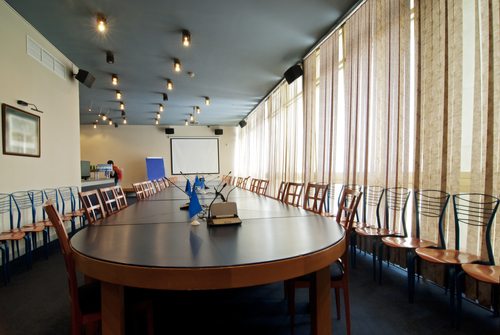
Table
Makushin Alexey / Shutterstock.com

July 2, 2012; Source: Knight Blog

The Knight Foundation considers community engagement one of the best ways to solve community problems, but “there isn’t yet an agreed upon way to describe it, copy it, measure it—or even know it’s spreading.” Knight and other funders are supporting a new Forum for Community Solutions at the Aspen Institute. The forum proposes “to host roundtable discussions with mayors, community leaders, philanthropists and businesses” to ask them what has worked in their community. The group also plans to initiate a forum for projects to help 16-24 year olds who don’t have a job and aren’t in school.

Sign up for our free newsletters

Subscribe to NPQ's newsletters to have our top stories delivered directly to your inbox.

By signing up, you agree to our privacy policy and terms of use, and to receive messages from NPQ and our partners.

The Knight Foundation points to a recent report, “Case Studies of Effective Collaboratives,” which found that “nearly all of [the coalitions studied] struggled with how to engage residents as co-producers of change,” according to Knight. In reading the case studies, there are some clues at to why such struggles occurred:

  • Community members are not always at the table where decisions are made. The easiest—and most often overlooked—way to engage stakeholders is to give them a seat at the “big” table. Don’t just poll them or ask them to come to a focus group, but, in the language of community organizing, empower them to make decisions.
  • Experts are producing data, but data doesn’t solve all problems. The case studies repeatedly focus on the role of data collection. It’s important to have facts, but it’s also important to remember that facts don’t solve problems or create community consensus. In fact, if stakeholders perceive “experts” as driving the discussion and discussion making, they may be less likely to be engaged.
  • Young people know their environment, but no one asks them to help solve problems. Whether the issue is crime or improving schools, young people have a ton of valuable information to share. Yet many times, no one asks them what they think. Young people will be more engaged if they are actively involved in programs and projects that will affect them. They’ll be even more engaged if they get to sit at the big table.

As the Aspen Institute develops its new Forum for Community Solutions, let’s keep in mind that we already know a lot about what works in community engagement, but don’t always practice it. Successful community engagement requires everyone—from the experts to the mayors to the previously uninvolved residents of a community—to believe that the big table approach will work. As long as stakeholders are thought of as people who need to be educated or serviced, they will remain disengaged. Watch for more on this report from NPQ. –Mary Jo Draper


Our Voices Are Our Power.

Journalism, nonprofits, and multiracial democracy are under attack. At NPQ, we fight back by sharing stories and essential insights from nonprofit leaders and workers—and we pay every contributor.

Can you help us protect nonprofit voices?

Your support keeps truth alive when it matters most.
Every single dollar makes a difference.

Donate now
logo logo logo logo logo
About the author
Mary Jo Draper

Mary Jo Draper is combining her interest and experience in journalism and community engagement as the editor of the Midtown KC Post, an online news and community-building site. Draper spent 15 years as a reporter and news director at Kansas City Public Radio Station KCUR. She is an adjunct faculty members teaching community engagement in the Nonprofit Studies Department at Rockhurst University.

More about: Community OrganizingEntrepreneurshipFoundationsNonprofit NewsPolicy
See comments

You might also like
Rotating the Clipboard Built Our Workplace Democracy
Shivank Pandey
New Student Loan Limits Could Threaten Diversity in Nursing and Public Health Programs
Lauren Nuttall
‘I’m Heartbroken’: Trans Kansans Reckon with Their Driver’s Licenses Being Invalidated
Sherman Smith and Morgan Chilson
After Years of Waiting, She Wanted to Start Gender-Affirming Care. Politics Interfered.
Orion Rummler
Cupcakes, Crisis, and the Cost of Compliance
Sadé Dozan
Who’s Doing the Work? How to Shift Power and Not Just Workloads
Noah Ponton and Vijay Simhan

Upcoming Webinars

Group Created with Sketch.
March 19th, 2:00 pm ET

Open Board Search

How Casting a Wide Net Transforms Nonprofit Governance

Register
Group Created with Sketch.
March 26, 2:00 pm ET

Learn Out Loud

How Every Philanthropy, Nonprofit, and Community Member Can Leverage Power in Our Fight Against ICE

Register

    
You might also like
A blank clipboard placed on a wooden table with a pencil and sharpie nearby.
Rotating the Clipboard Built Our Workplace Democracy
Shivank Pandey
A close shot of the front of the US Department of Education in Washington, DC.
New Student Loan Limits Could Threaten Diversity in Nursing...
Lauren Nuttall
The blue, pink, and white trans flag drawn in chalk on dark pavement.
‘I’m Heartbroken’: Trans Kansans Reckon...
Sherman Smith and Morgan Chilson

Like what you see?

Subscribe to the NPQ newsletter to have our top stories delivered directly to your inbox.

See our newsletters

By signing up, you agree to our privacy policy and terms of use, and to receive messages from NPQ and our partners.

  • About
  • Advertise
  • Careers
  • Contact
  • Copyright
  • Donate
  • Editorial Policy
  • Funders
  • Submissions

We are using cookies to give you the best experience on our website.


Nonprofit Quarterly | Civic News. Empowering Nonprofits. Advancing Justice.
Powered by  GDPR Cookie Compliance
Privacy Overview

This website uses cookies so that we can provide you with the best user experience possible. Cookie information is stored in your browser and performs functions such as recognising you when you return to our website and helping our team to understand which sections of the website you find most interesting and useful.

Strictly Necessary Cookies

Strictly Necessary Cookie should be enabled at all times so that we can save your preferences for cookie settings.