
logo logo
giving banner
Donate
    • Membership
    • Donate
  • Social Justice
    • Racial Justice
    • Climate Justice
    • Disability Justice
    • Economic Justice
    • Food Justice
    • Health Justice
    • Immigration
    • LGBTQ+
  • Civic News
  • Nonprofit Leadership
    • Board Governance
    • Equity-Centered Management
    • Finances
    • Fundraising
    • Human Resources
    • Organizational Culture
    • Philanthropy
    • Power Dynamics
    • Strategic Planning
    • Technology
  • Columns
    • Ask Rhea!
    • Ask a Nonprofit Expert
    • Economy Remix
    • Gathering in Support of Democracy
    • Humans of Nonprofits
    • The Impact Algorithm
    • Living the Question
    • Nonprofit Hiring Trends & Tactics
    • Notes from the Frontlines
    • Parables of Earth
    • Re-imagining Philanthropy
    • State of the Movements
    • We Stood Up
    • The Unexpected Value of Volunteers
  • CONTENT TYPES
  • Leading Edge Membership
  • Newsletters
  • Webinars

Is Social Media Shifting Giving from the Cause to the Individual?

Aine Creedon
December 4, 2012

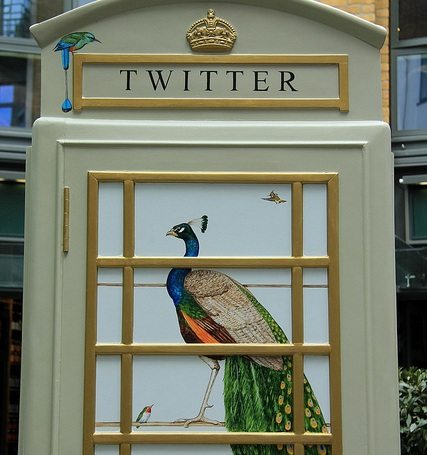
Twitter

December 3, 2012, Source: Fast Company

In Fast Company, Rachael Chong interviews Shaun King, the founder of HopeMob, a new charity platform on which users can create fundraising projects and receive 100 percent of the proceeds collected. The website uses a point system to highlight 24 stories which have received the most “story points” from the online community. HopeMob does not give the donated money directly to recipients, but pays for the project’s costs itself. The HopeMob model is similar to crowdfunding websites like Kickstarter, StartSomeGood, and Indiegogo; in fact, King actually raised the funds to launch HopeMob from a Kickstarter campaign.

Sign up for our free newsletters

Subscribe to NPQ's newsletters to have our top stories delivered directly to your inbox.

By signing up, you agree to our privacy policy and terms of use, and to receive messages from NPQ and our partners.

Crowdfunding websites like HopeMob provide a simple way to give online, often inspiring donations from those who might lack the time and energy to find causes and may not have contributed otherwise. In addition to facilitating start-up funding for organizations, these crowdfunding sites also allow individuals to create a base of supporters for a project, in which donors can then reach out to their social media connections and continue to spread the message. For instance, King raised $540,000 in 2010 to “rebuild Haiti’s only refuge for children with developmental disabilities by auctioning off tweets and follows by celebrities like Eva Longoria and Snoop Dogg.” Also, crowdfunding platforms can enable local grassroots groups with limited resources to extend their international marketing reach and to generate free publicity.

However, Chong’s interview with King fails to explore the downside to crowdfunding models, which NPQ touched upon recently (see “Why Kickstarter ‘Sucks’ and Crowds are Wiseasses”). Crowdfunding sites can turn nonprofit work into a social media popularity contest; as a result, worthy causes may be overlooked while “cool” fundraising projects (like a “zombie-based” school curriculum or a $67,000 statue of Robocop in Detroit) are able to easily reach their goals.

In the case of HopeMob, the points system awards causes with more than 150,000 story points ranging from “Let’s Buy Birthday Cakes for 30 Children of Homicide Victims” to “Let’s Help a Single Mom Get a Reliable Car.” This Fast Company article lauds the crowdfunding model of giving to individuals in need over “anonymous charities.” But the whole field of crowdfunding is still in emergence and jockeying for people’s attention and legitimacy. NPQ has raised concerns about such stuff in other newswires, including this one about the use of crowdfunding to address personal crises in China. –Aine Creedon


Our Voices Are Our Power.

Journalism, nonprofits, and multiracial democracy are under attack. At NPQ, we fight back by sharing stories and essential insights from nonprofit leaders and workers—and we pay every contributor.

Can you help us protect nonprofit voices?

Your support keeps truth alive when it matters most.
Every single dollar makes a difference.

Donate now
logo logo logo logo logo
About the author
Aine Creedon

Aine Creedon is Nonprofit Quarterly's Director of Digital Operations and has worn many hats at NPQ since 2011. She has extensive experience with social media, communications and outreach in the nonprofit sector, and spent two years in Americorps programs serving with a handful of nonprofits across the nation as well as a community organization in Dorchester, Boston. Aine currently resides in Denver, Colorado where she enjoys volunteering, seeing live music, and hiking with her pups Frida and Tucker.

More about: FundraisingNonprofit NewsPolicySocial Media
See comments

Call to action
You might also like
Making Sense of GivingTuesday 2025
Isaiah Thompson
Social Enterprise: Lessons from Down Under
Vicki Pozzebon
If Farm School NYC Closes, What Will the City Lose?
Farm School NYC and Iris M. Crawford
Be Bold This GivingTuesday: Lessons from Public Rights Project
Jennifer Johnson
Leading “Against the Current”: A Conversation with Eveline Shen
Isaiah Thompson and Eveline Shen
GivingTuesday: Ride the Wave, Don’t Fight It
Rhea Wong

Upcoming Webinars

Group Created with Sketch.
January 29th, 2:00 pm ET

Participatory Decision-making

When & How to Apply Inclusive Decision-making Methods

Register
Group Created with Sketch.
February 26th, 2:00 pm ET

Understanding Reduction in Force (RIF) Law

Clear Guidance for Values-centered Nonprofits

Register

    
You might also like
A group of people standing and smiling together while holding up signs with the Giving Tuesday logo and that say, “I Give Time”
Making Sense of GivingTuesday 2025
Isaiah Thompson
A protest sign reading, “No Business on a dead planet”, emphasizing how the wellbeing of our planet is more important than profit.
Social Enterprise: Lessons from Down Under
Vicki Pozzebon
Participants growing garlic at the Farm School NYC. 2025.
If Farm School NYC Closes, What Will the City Lose?
Farm School NYC and Iris M. Crawford

Like what you see?

Subscribe to the NPQ newsletter to have our top stories delivered directly to your inbox.

See our newsletters

By signing up, you agree to our privacy policy and terms of use, and to receive messages from NPQ and our partners.

  • About
  • Advertise
  • Careers
  • Contact
  • Copyright
  • Donate
  • Editorial Policy
  • Funders
  • Submissions

We are using cookies to give you the best experience on our website.


Nonprofit Quarterly | Civic News. Empowering Nonprofits. Advancing Justice.
Powered by  GDPR Cookie Compliance
Privacy Overview

This website uses cookies so that we can provide you with the best user experience possible. Cookie information is stored in your browser and performs functions such as recognising you when you return to our website and helping our team to understand which sections of the website you find most interesting and useful.

Strictly Necessary Cookies

Strictly Necessary Cookie should be enabled at all times so that we can save your preferences for cookie settings.