logo logo
Donate
    • Membership
    • Donate
  • Social Justice
    • Racial Justice
    • Climate Justice
    • Disability Justice
    • Economic Justice
    • Food Justice
    • Health Justice
    • Immigration
    • LGBTQ+
  • Civic News
  • Nonprofit Leadership
    • Board Governance
    • Equity-Centered Management
    • Finances
    • Fundraising
    • Human Resources
    • Organizational Culture
    • Philanthropy
    • Power Dynamics
    • Strategic Planning
    • Technology
  • Columns
    • Ask Rhea!
    • Ask a Nonprofit Expert
    • Gathering in Support of Democracy
    • Hope in the Dark
    • Humans of Nonprofits
    • Inside the States
    • In Defense of Civil Society
    • The Myth of Heroic Leadership
    • Notes from the Frontlines
    • Notes from the Long Arc
    • Reimagining Philanthropy
    • The Unexpected Value of Volunteers
    • We Stood Up
  • Newsletters
  • NPQ Online Events
    • Learn Out Loud
    • Leading Edge Webinars
    • Partner Events
    • On Demand
  • Leading Edge Membership

If United Ways Have to Change, So Must Many Nonprofits

Danielle Holly
April 4, 2018

March 26, 2018; Star Tribune

The United Way was once one of philanthropy’s biggest players, but all across the country, many are now scrambling to find their place within the larger philanthropic ecosystem. The Greater Twin Cities United Way is the latest exemplar of this shift. As we reported yesterday, its annual revenue, once reaching $101.9 million, is now in decline, hitting only $77 million in 2017—a $10 million drop from the prior year. The central force behind the drop has been in its signature workplace giving program, a decline driven by dwindling demand.

The rapidly changing landscape in Minnesota is reflected more broadly on a national stage. While overall giving in the US is increasing (though that trend is being closely watched with the passage of Trump’s tax plan), the way individuals are giving is changing. Lower-dollar, working- and middle-class donors are increasingly giving directly to nonprofits through online fundraising avenues and sometimes through crowdfunding mechanisms and events. Higher-net-worth donors are moving in droves to donor-advised funds, which offer them an immediate tax deduction with flexibility on when and where the funds are ultimately donated.

Sign up for our free newsletters

Subscribe to NPQ's newsletters to have our top stories delivered directly to your inbox.

By signing up, you agree to our privacy policy and terms of use, and to receive messages from NPQ and our partners.

As the Twin Cities United Way faces the need for a model shift, it’s sometimes looking towards becoming a kind of a central strategic giving screen for donors, or to providing higher touch, local connections, such as touchpoints with donors outside of the workplace, the creation of giving circles, and fee-based philanthropic consulting services. While those activities do leverage the United Way’s core skill set, moving to a higher touch model during a period of revenue decline and staff reduction will no doubt be a challenge.

The organizations that the United Way supports—the nonprofits to which its funds are ultimately granted—will also likely have to adjust to this new reality. The shrinking presence of the United Way as an intermediary advisor will likely give nonprofits with big brand name presence a leg up, as one of the roles the United Way has historically played has been assessing the strength of organizations beyond their name brand. Smaller, less well-known organizations will have to pick up the slack by boosting their marketing efforts, much as they do with other “mass market” philanthropic arenas such as Giving Tuesday and other online fundraising platforms.

Ted Flaum, the CEO of Jewish Family Service of St. Paul, tied the decline in donations his organizations see from United Way to the increased need for marketing support.

“People need to be more familiar with our mission, our great work, and the people’s lives we change.”—Danielle Holly


The work isn’t done. Neither is our commitment.

The challenges facing nonprofits aren’t going away. Neither can the journalism that informs, connects, and amplifies the sector.

Help NPQ keep this work free and accessible.

Give Today
logo logo logo logo logo
About the author
Danielle Holly

Danielle Holly is dedicated to strengthening the capacity and leadership of the nonprofit sector through meaningful, value-driven partnerships. Over the past two decades, Danielle has worked with hundreds of nonprofits and companies to support the conception, design and implementation of cross-sector approaches that address community challenges. She is a frequent contributor to several social sector publications on nonprofit capacity building, governance and corporate social responsibility, as well as a member of the NationSwell Council and host of the Pro Bono Perspectives podcast. Currently, Danielle is the CEO of Common Impact, an organization that designs skills-based volunteer, pro bono and corporate community engagement programs. She has served on the Board of the Young Nonprofit Professionals Network and Net Impact NYC, and most recently as a fellow with the Presidio Cross-Sector Leadership initiative. Danielle lives in Brooklyn, NY and loves to explore the nooks and crannies of NYC’s endless neighborhoods, and end the days cooking with her husband and two children.

More about: Donor-Advised FundsEquity-Centered ManagementFundraisingNonprofit News
See comments

Stuffing-1
You might also like
Why the good offers seem to go to others
Rhea Wong
Can a deck of cards interrupt bias in grantmaking?
Devyn Taylor
The tax-subsidized shrug: How foundation leaders threaten democracy and the nonprofit sector
Aparna Rae
Make the ask before the holiday chaos
Rhea Wong
“Centering Community” Starts with the Mission and Ends with the Work
Jon Huggett, John Newsome and Igor Rubinov
Land the Gifts That Move the Numbers
Rhea Wong

Upcoming Webinars

Group Created with Sketch.
December 3, 2:00 pm ET

After the Midterms

What’s Next for Nonprofits?

Register
Group Created with Sketch.
January 28, 2:00 pm ET

Democratic Staff Structures

Weaving Shared Leadership and Union Practice in Nonprofits

Register
You might also like
A woman of color looks into the camera with a serious expression. She is sandwiched by a white female and Asian female coworker.
Why the good offers seem to go to others
Rhea Wong
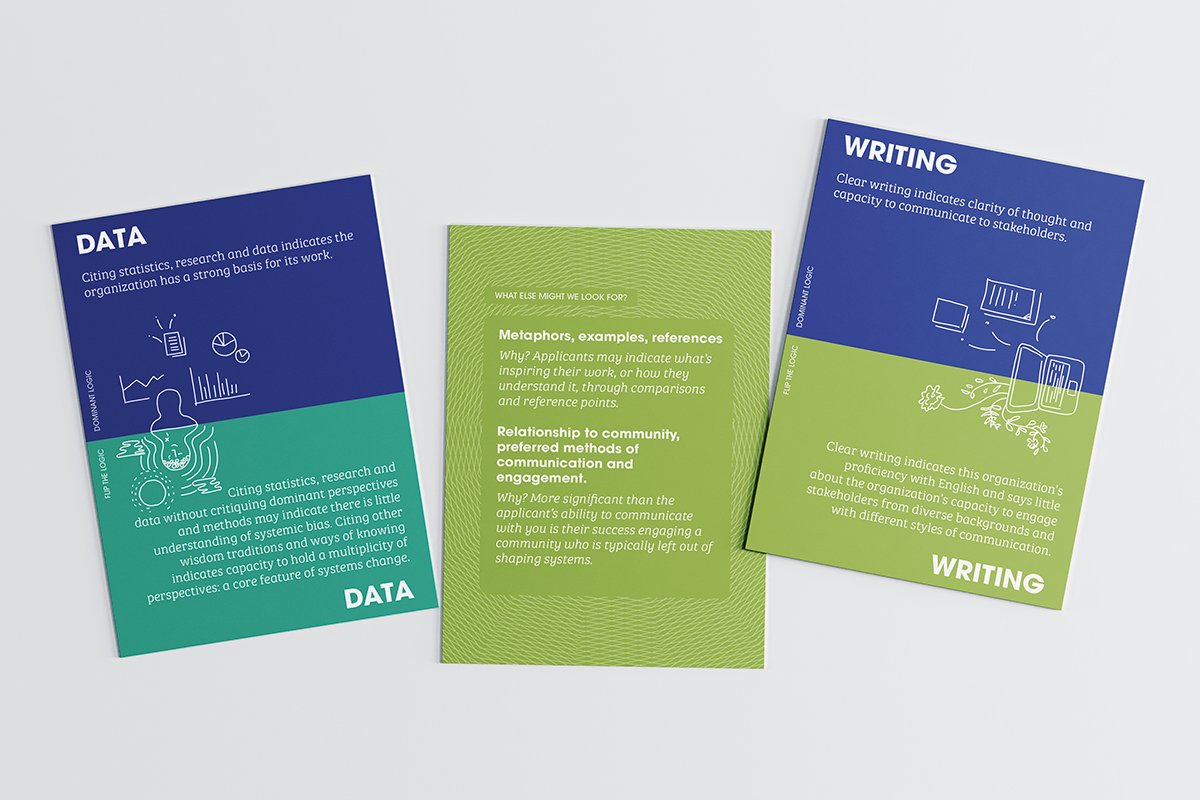
“Flippin’ Logics Cards” identify eight “dominant logics,” or recurring assumptions and ways of thinking that can shape how reviewers interpret an application.
Can a deck of cards interrupt bias in grantmaking?
Devyn Taylor
A pink swirly ice cream that has dropped onto the floor, landing sccop down and cone up. A puddle of melted ice cream pools around the scoop.
The tax-subsidized shrug: How foundation leaders threaten...
Aparna Rae

Like what you see?

Subscribe to the NPQ newsletter to have our top stories delivered directly to your inbox.

See our newsletters

By signing up, you agree to our privacy policy and terms of use, and to receive messages from NPQ and our partners.

  • About
  • Advertise
  • Careers
  • Contact
  • Copyright
  • Donate
  • Funders
  • Editorial Policy
  • Media Relations
  • Privacy Policy
  • Submissions

We are using cookies to give you the best experience on our website.


Nonprofit Quarterly | Civic News. Empowering Nonprofits. Advancing Justice.
Powered by  GDPR Cookie Compliance
Privacy Overview

This website uses cookies so that we can provide you with the best user experience possible. Cookie information is stored in your browser and performs functions such as recognising you when you return to our website and helping our team to understand which sections of the website you find most interesting and useful.

Strictly Necessary Cookies

Strictly Necessary Cookie should be enabled at all times so that we can save your preferences for cookie settings.