
Every year, more than 18,000 people leave North Carolina prisons to return to communities, and many battle to find housing and employment. A 2026 study has found that people who are reentering communities will need personalized and ongoing support, and Kerwin Pittman, who was incarcerated for more than 11 years before his release in 2018, has plans to provide that support.
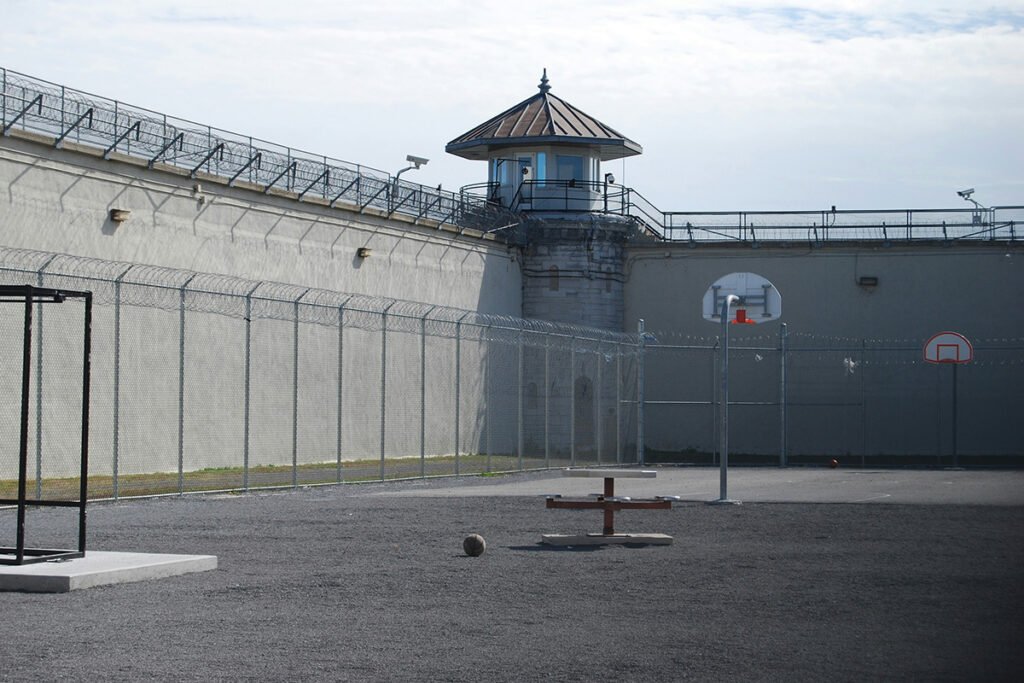
In November 2025, Pittman purchased the former Wayne Correctional Center in Goldsboro, North Carolina. His goal? To transform that space that once contained inmates into a place that helps former prisoners navigate the transition from incarceration to freedom. As a former inmate, Pittman likely understands the struggles of living in a highly controlled and restrictive environment and then being thrown out into the “real world,” where a job and housing are needed.
Pittman’s purchase of the 80,000-square-foot property for $275,000 was a milestone, but now the real challenge begins. He envisions a place where people can access housing, employment support, education, and health care services. But creating a functioning campus requires partnerships, long-term operational support, and, more importantly, substantial capital. Pittman’s mission raises a broader question for the nonprofit sector: How can leaders turn their lived experience into an institution capable of helping others rebuild their lives?
A campus built around reentry
Following his release, Pittman formed the Recidivism Reduction Educational Program Services (RREPS), a nonprofit whose mission is to lower the recidivism rate in North Carolina. “I started a nonprofit when I came home and began advocating for individuals coming out of the [incarceration] system, but I also put in programming to try to help them reintegrate into society with a little more ease,” he told NC Newsline in January.
He plans on transforming the abandoned, 400-bed prison into a place of housing and a workforce campus which will combine education, health care support, and other reentry services. The model reflects the interconnected challenges that people face after incarceration, and he expects the first resident to move in by 2028. Pittman also hopes to include space on the campus for justice-involved youth to participate in career pathways, art and cognitive behavioral therapy, STEM education, and other emotional learning opportunities.
He envisions the project centering on a hybrid model with up to 250 beds. “This is an opportunity to take an existing structure and rethink how it can serve people returning home,” Pittman said. “The intention is to build something that can be applied more broadly.”
But ultimately, the campus’s impact will depend on whether it can help residents leave with more than temporary housing. His mission is to provide vocational training, job-placement support, and assistance securing permanent housing. These services could help residents address multiple barriers at the same time during reentry.
From purchase to project
The former Wayne Correctional Center changed hands in November 2025 after the sale closed following approval by the North Carolina Council of State. The correctional facility closed in October 2013 due to state budget cuts and an order from the North Carolina General Assembly to reduce overall prison capacity. Pittman is the first formerly incarcerated person in the US to purchase a prison.
The purchase was a significant step in expanding on the work that his nonprofit RREPS has been doing. Having spent 11½ years incarcerated for conspiracy to commit murder, Pittman brings personal experience to his efforts to address the barriers facing people returning to their communities. “I had family support, so I had housing. But a lot of my friends didn’t have any place to go. Or if they did, there was a time limit on how long they could stay,” Pittman explained.
Housing and finding employment are some of the biggest obstacles that formerly incarcerated people face on release. According to the Chamber of Commerce of the United States, the world’s largest business organization, six out of every 10 former inmates experience unemployment from the time of release to four years after release. Employment also helps many former inmates remain out of prison. The organization says that former inmates who maintain employment for one year post-release experienced a recidivism rate of just 16%.
Sign up for our free newsletters
Subscribe to NPQ's newsletters to have our top stories delivered directly to your inbox.
By signing up, you agree to our privacy policy and terms of use, and to receive messages from NPQ and our partners.
The $10 million question
The biggest question that Pittman and Louis L. Reed, a nationally recognized criminal justice reform strategist working on the project, must answer is: Who is funding this vision? Transforming a former correctional facility into a campus will require financial resources, infrastructure, and organizational partnerships.
Pittman hopes to raise $10 million. The project plan reveals that it will rely on philanthropic support, public funding aligned with workforce development, private sector partnerships, and potential earned revenue opportunities. Pittman also hopes to secure economic opportunities such as tax breaks and bonding through state and federal programs.
But renovations are only one part of the equation. Housing, staffing, workforce development, and support services will require ongoing financial resources. That is when having long-term strategic relationships with funders will become critically important.
Pittman’s experience of incarceration informs his approach to reentry. “As someone who did a substantial amount of time, repurposing that space is something people in prison always think about,” he said. “When you’ve spent so much time in that type of facility, you start wondering, ‘What can this space be used for besides punishment?’”
But translating that experience into a sustainable institution requires organizational infrastructure and long-term funding. For funders, the challenge will be whether they are prepared to back leaders whose expertise comes from lived experience such as Pittman’s.
Even with the property secured, a fundraising goal established and a construction timeline of two years outlined, there are questions about what it will take to open and run the campus. He’ll need to complete the necessary renovations, establish partnerships, set up a reliable source of operating revenue, and outline clear measures of success.
Turning symbolism into sustained support
The former Wayne Correctional Center represents an opportunity to not only reimagine a place once associated with incarceration but also to explore what justice means in this country. “This is not about reentry as we’ve known it. This is about reimagining justice in America and building infrastructure that supports real second chances,” said Reed.
For funders and the nonprofit sector, this project asks an important question: What does it mean to champion lived-experience leadership if the resources needed to make that same leadership effective are out of reach?