
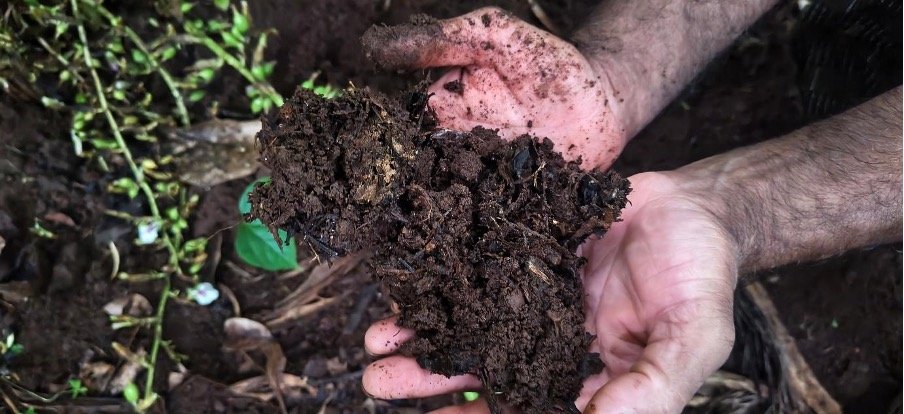
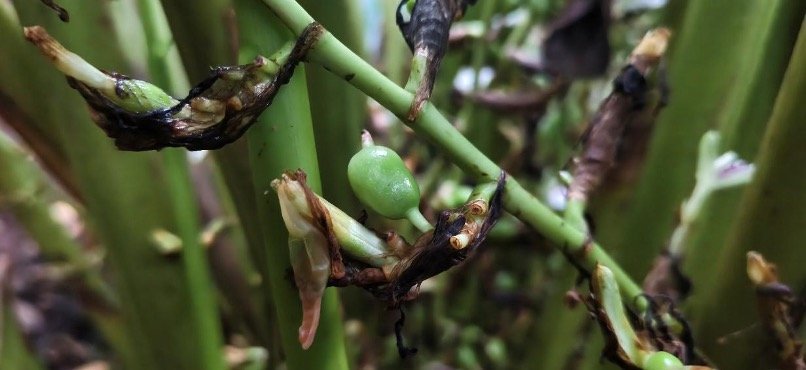
K.V. Paulose digs his palms into the soil and reveals a mixture of ordinary dirt and decomposed leaves. For Paulose, it’s his most valuable manure and a natural fertilizer for the hundreds of small cardamom plants on his farm. He beams proudly as he runs his fingers, delicately, over the cardamom fruits, which he is in no rush to harvest just yet.
Paulose, who is in his late 50s, is a resident of Rajakumari village in Idukki, Kerala, India. For more than 40 years he’s been a spice farmer, having followed in his father’s footsteps. In 1995, he was awarded a prize by the Spices Board of India for cultivating the most cardamom in a single acre of land, through ideal agricultural techniques. Paulose has also developed a small cardamom variety of his own, which he grows extensively in his fields.

The Land of Spices – A Seesaw History
India is the leading producer, exporter and consumer of spices in the world. There are more than 150 different spices—major and minor—being cultivated in the country.
Small cardamom, known as the “Queen of Spices,” is distinctive for its aroma and is a key part of global spice trade. According to the experts at the Spices Board of India, Kerala is the largest producer of small cardamom in India, accounting for 80 to 85 percent of the total production in the country. Idukki, a district nestled in the Western Ghats region in Kerala, leads the cultivation of spices in the state. Curry leaves, nutmeg and cloves are also some of the other main spices cultivated in the district.
Climate change has had an adverse impact on spice cultivation globally, but particularly in Kerala. Severe and extended periods of drought and erratic, short bursts of heavy rainfall have impacted spice cultivation massively. While neighboring states like Karnataka and Tamil Nadu tackled their environmental issues by planting pepper and cardamom as intercrop—the agricultural practice of balancing biodiversity by planting two or more crops on the same land that share water, soil nutrients, and sunlight—in coffee and areca plantations, smaller states like Kerala could not follow that practice.
Kerala stands apart from the rest of the country and other regions across the globe, for having most of its spice farming centered around homestead cultivation. It’s quite common to see small-scale farmers with just a few acres of land also growing pepper or cardamom next to their homes. Yet with the intervention of the Spices Board of India and other regulatory bodies, agriculturalists and scientists, Kerala has slowly recovered from the setbacks.
Over the past few years, the board and agriculturalists have helped promote healthier agricultural methods, like regulating the use of chemical pesticides, more use of organic pesticides and manure, and encouraging rainwater harvest strategies for dry periods. More recently, there’s been a greater emphasis on the development of climate-resilient small cardamom varieties.
The Challenges of Climate Change
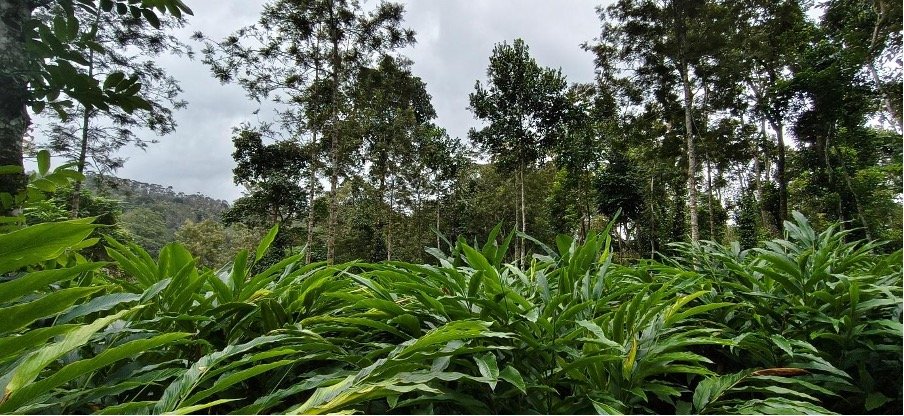
Cardamom is a rain-loving crop that requires extensive forest shade to thrive and is also greatly susceptible to microclimatic conditions. Kerala has been experiencing microclimatic changes, such as flash floods, that now influence spice growth. Summer droughts have also become longer and harsher, compared to earlier years.
“Compared to 30 to 40 years ago, when I started farming, Idukki’s annual rainfall has significantly reduced now,” Paulose said. “Back then, even if it rained incessantly for a whole week, landslides weren’t that common, unlike now, because we had enough forest to withstand the impact.”
Nirmal Babu, a scientist and the former director at the Indian Institute of Spices Research (ICAR-IISR), notes that Kerala is dealing with aggravated deforestation, owing to tourism development and urbanization. Currently, there’s a law against cutting down trees in farmlands in districts like Idukki.
“Both small cardamom and pepper need trees cover to grow. When trees were cut down erratically, this also affected the soil properties and nudged the entry of various pests that weren’t found here earlier,” Nirmal said.
Black pepper typically takes about four years to grow before it can be harvested. This means that a farmer has to plan their capital investment with that time period in mind. Pepper, especially cardamom, requires consistent care throughout the year as well. In order to save labor expenses, farmers started using herbicides and mechanized cleaning, which impacted the soil.
While crops like pepper and coffee have only a single harvest cycle annually, cardamom may be harvested six or seven times a year. “At the same time, cardamom farming also requires greater labor inputs and a lot more systematic agricultural care,” says K. Pradip Kumar, a senior scientist at the Indian Cardamom Research Institute (ICRI).
Sign up for our free newsletters
Subscribe to NPQ's newsletters to have our top stories delivered directly to your inbox.
By signing up, you agree to our privacy policy and terms of use, and to receive messages from NPQ and our partners.
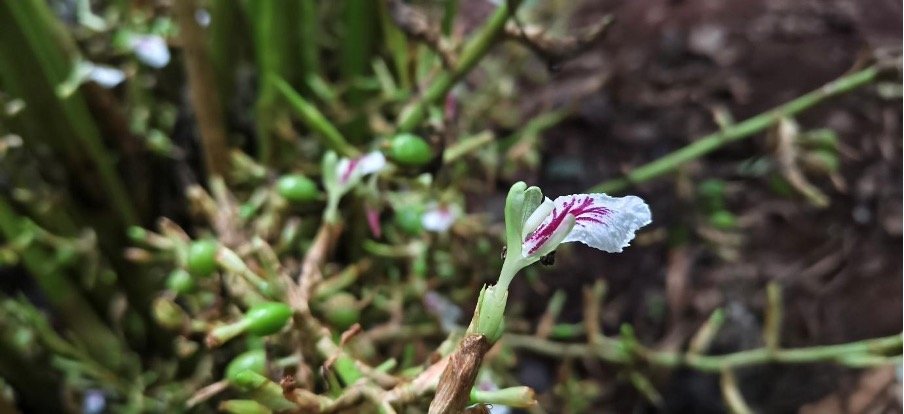
Until the 1980s or so, cardamom in Kerala was entirely a small-scale farmer’s crop and nearly 90 percent of cardamom produced in Kerala was exported. But internal consumption has increased considerably since then.
Pradip points out that the unregulated use of pesticides became an agricultural practice among cardamom cultivators owing to the high demand and price in the global market, persuading the farmers to think of quick harvesting and increased production. Cardamom production differs from other spices because there are a lot more quality checks conducted across all levels of its processing and trade.
Intervention of the Authorities and Agriculturalists
ICRI is educating Kerala cardamom farmers about minimizing pesticide use. Although the aromatic seeds of cardamom are predominantly used in dishes, it’s quite common for the outer husk—the part of the plant that heavily absorbs pesticides—to be used. This also means that the detrimental use of pesticides can impact consumers through the husk.
Nirmal notes that the obsession for high yield has resulted in early harvesting of small cardamom by a large share of the farmers in Kerala.
“When you do that, the cardamom will look healthily green, but it cannot be stored for long since it was picked immaturely,” Nirmal explained. “A more worrying phenomenon is when such cardamom turns white; artificial (green) dye is added to give color before selling it.”
The effect of climate change on spice cultivation isn’t a recent phenomenon in Kerala, Pradip says. It started in the mid-to-late 1980s, when frequent droughts affected Kerala. Around this time, the Spices Board of India encouraged farmers to build reservoir dams or artificial lakes in their farms, and farmers were given subsidies to do so. At the same time, research began into developing more drought-tolerant cardamom, pepper and other spices. Currently, IISR and ICRI have developed several such varieties, particularly suiting the Western Ghats region.
To tackle the issue of drought, authorities have recently provided micro sprinklers to the small-scale farmers. Hybrid varieties of pepper and cardamom, resistant to fungal attacks and sustainable with less water, have been introduced. Farmers have also been encouraged to return to the traditional, “lesser volume—higher value” form of cultivation.
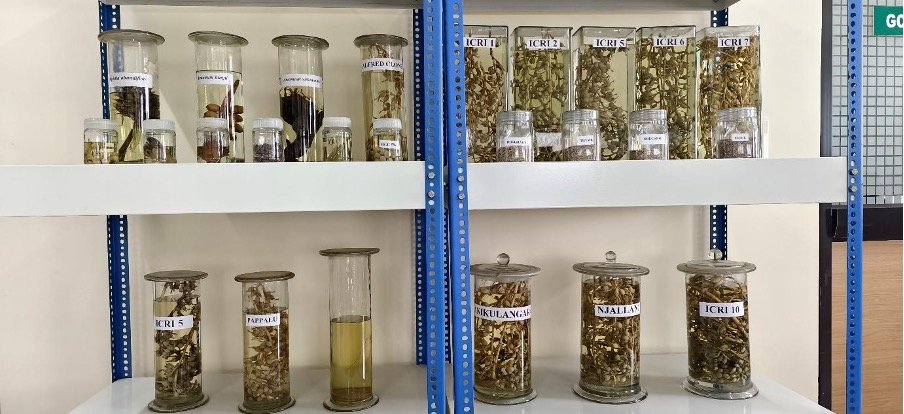
Efforts on the Ground Level
Sunny Joseph, 64, was formerly an enginner who is now a spice farmer in Chinna Palar, a small village in Idukki. Sunny’s family also holds a processing plant in the region, where they buy the unprocessed spices from local farmers, process them at their plant, before selling them at an auctioning center regulated by the Spices Board of India. Sunny’s eldest daughter, Annu Sunny, 34, currently takes care of the operational aspects of their family business of tea, cardamom and pepper cultivation. The family has around 10 acres of cardamom cultivation. Although they grow pepper and curry leaves as well, they practice intercropping on their tea plantation.
Annu said that one of the main reasons many spice farmers focus only on small cardamom and pepper in Kerala is because of the fluctuating returns associated with other spices.
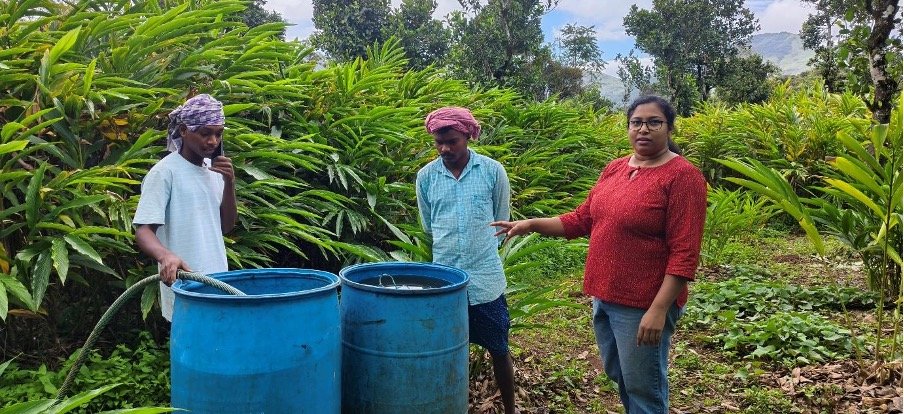
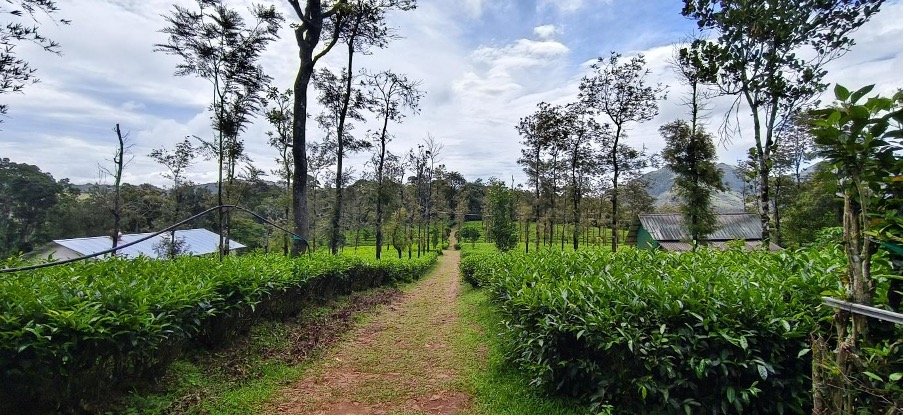
“We harvest around 250 to 300 kg [551 to 661 lbs] of cardamom per acre annually, which is half of what many others may produce, because we completely rely on organic farming,” Annu said. At the time of my visit, workers at her cardamom field were making a “natural pesticide” mixture, which they tried on the tea leaves. It was so efficient that they began using for the cardamom plants as well. All the water required for the plants comes from an artificial reservoir they have built.
“Many years ago, we had to provide labor only for six months, but it’s throughout the year now. But that just means that we’re using more organic methods for spice farming. Of course, there’s more labor inputs associated with that, but it’s a good sign ultimately. Pesticide-free cardamom sells at a much higher price in the market too,” she said. A key focus area in recent years for Annu’s family has been identifying local farmers who use organic farming techniques and buying produce from them.
While cardamom has made its way into trendy lattes and baked goods, it remains a staple crop for many farms in Kerala and across the region. As farmers continue to grapple with the changing climate, the nature of cardamom farming continues to adapt with it.