As the United States continues in its 250th year since signing the Declaration of Independence, we are invited to honor the strength of our founding ideals. As we do so, this milestone also demands that we examine whether our current systems truly align with our promises of liberty, equality, and justice.
Given this, we must ask ourselves: for whom prohibition is ending and are the harms it created being repaired or repeated?
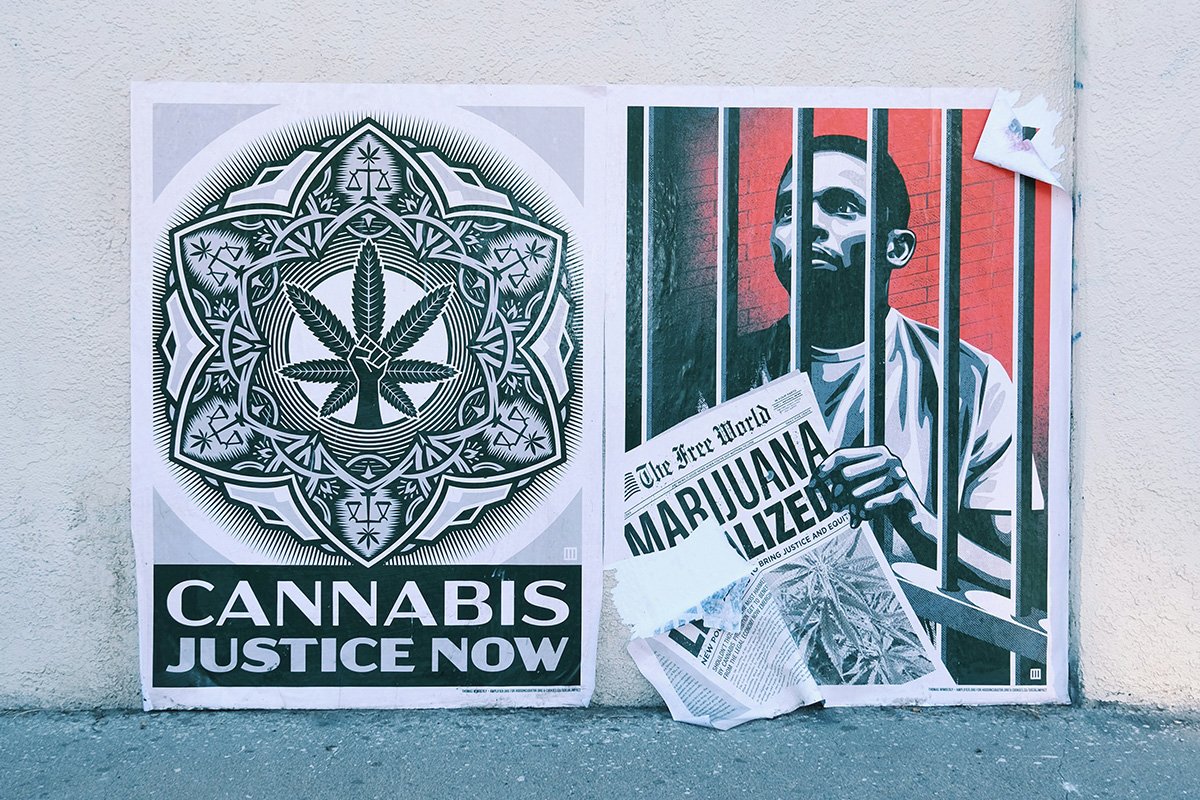
Nowhere is the disconnect—between how our systems operate and our stated ideals—more visible than in the “War on Drugs,” reflected in today’s approach to marijuana legalization. We celebrated legalization as progress, but it struggles to guarantee non-repetition of inequality.
Legislative bodies often respond to demands for marijuana legalization with narrow reforms while leaving intact the broader architecture of criminalization. While marijuana arrests overall have decreased after legalization, the disproportionate rates of arrests shouldered by Black people persist—and in some cases have become worse—despite the comparable rates of marijuana use among Black and White people. These half measures may ease political pressure, but they do not deliver the structural change required for durable freedom and equal protection.
Given this, we must ask ourselves: for whom prohibition is ending and are the harms it created being repaired or repeated?
Virginia, the oldest legislative body in the country, serves as an important case study for what’s happening nationally. State data shows that incremental law reforms to marijuana possession will not bring the Commonwealth closer to the nation’s promises of equality and justice.
Here, we provide an analysis of the impact of these systemic failures that continue to perpetuate harm and offer guidance on effective approaches for repair.
Nowhere is the disconnect—between how our systems operate and our stated ideals—more visible than in the “War on Drugs,” reflected in today’s approach to marijuana legalization.
Virginia: A Case Study on Inequality in Marijuana Legalization
Before legalization, racial disparities in marijuana law enforcement were found in every Virginia locality where there was sufficient data to assess. For example, Arlington, Virginia, one of the wealthiest counties in the nation, was arresting Black people at 14 times the rate of White people, despite equal use by race.
Black grassroots organizers led the charge to end roughly 20,000-25,000 arrests per year for small amounts of marijuana and repair the damage those policies caused. After legalization in 2021, the number of cannabis arrests declined by more than 90 percent. As part of law reform, Virginia has allowed adults 21 and older to consume, possess, share, and grow marijuana; legalized the Cannabis Equity Reinvestment Fund; and created a “low-level” public consumption ticket of $25 on the first offense.
These opportunities for repair were supposed to stop the targeted enforcement from repeating, reinvest tax revenue into communities most impacted, and create pathways for those harmed to participate in the legal cannabis industry but in an unprecedented move, Virginia delayed retail sales within the 2021 legalization. The promise of these reforms was met with government-proposed compromises that hold the very structures that drive inequality intact.
For instance, this past spring, lawmakers finally passed an adult-use retail market that supported reparative reinvestments and worked towards ending the War on Drugs. Governor Abigail Spanberger offered a substitute that expanded criminal penalties, added harsher sentencing structures, reduced licenses, and defunded the Equity Reinvestment Fund—these changes would preserve the punitive framework of the War of Drugs. Senator Lashrecse Aird and Delegate Paul Krizek urged colleagues to reject the substitute, and the General Assembly did so. Rejecting the governor’s substitute containing repetitive penalties and deletion of equity ultimately led to Spanberger vetoing Virginia’s retail proposal.
Sign up for our free newsletters
Subscribe to NPQ's newsletters to have our top stories delivered directly to your inbox.
By signing up, you agree to our privacy policy and terms of use, and to receive messages from NPQ and our partners.
Outside of the retail bill, Governor Spanberger signed a non-repetition-type reform so marijuana no longer impacts parental custody and a reparative bill to reconsider the sentence of more than 1,000 people who are still incarcerated or on probation for marijuana conduct that is now legal. But a last-minute budget compromise that followed shows how easily repair can be undermined and harm repeated by what advocates call “poverty penalties.” Even after the veto, the Governor pushed legislators to increase the civil fine for public marijuana consumption as a compromise. To keep the proposal alive, legislators agreed to hike the civil fine from $25 to $250, a 900 percent increase.
In response, advocates released new Freedom of Information Act (FOIA) data showing Black people represent 19 percent of Virginia’s population but account for 47.7 percent of all public consumption tickets since legalization. There have been 375 public consumption charges statewide, and Black Virginians receive nearly half of those tickets; per capita, Black people are 3.3 times more likely to be cited than White Virginians. Even after 19 organizations signed a letter urging leaders to strike the increase, Governor Spanberger kept the higher fine but with a one-year delay.
At every stage of the legal system, fines and fees act as a regressive tax on low-income people. If they cannot pay these fines, they can face license suspensions, mounting interest, and even jail time, which in turn means increased risk for lost jobs, lost services, and an inability to meet family obligations. Without intentional safeguards, the machinery of prohibition continues to extract wealth and opportunity from the very communities that legalization was supposed to repair—not only in Virginia, but also in every state where marijuana legalization exists.
The promise of this nation to strive toward equality and justice requires genuine transformation. The time to invest in guarantees of non-repetition and repair for the Drug War is now.
The War on Drugs weaponized the state against communities through criminalization, surveillance, and exclusion from basic rights. These commitments can no longer be bargained away through symbolic reforms or partial legalization. Drug policies must be interrogated and dismantled wherever they continue to expose people to loss of housing, benefits, employment, or freedom for conduct that is now legal in name.
Keeping the Guarantees of Repair Intact
As we examine how states like Virginia aim to achieve the country’s goal of equality and justice, we should also look externally at International law which offers frameworks that can guide more effective approaches.
One approach is upholding the principle of guarantees of non-repetition: leveraging laws and institutions designed to prevent a specific harm from recurring. In the context of marijuana, this means automatic expungement of records, clear limits on when police can stop or arrest for marijuana, protections so lawful use cannot be used to deny employment, housing or custody, and independent oversight bodies empowered to track and respond when racial disparities reappear.
Developing policies for non-repetition requires inquiry, implementation, and accountability. Inquiry examines the institutional sources of harm, including police practices, prosecutorial priorities, and administrative rules—it asks the question of where harm is being created. Implementation demands durable structural reform, not just adjusting fines or reclassifying offenses—it shifts the underlying structures that perpetuate harm. Accountability depends on institutions and independent oversight that can monitor outcomes, enforce standards, with meaningful representation from communities most affected.
The promise of this nation to strive toward equality and justice requires genuine transformation. The time to invest in guarantees of non-repetition and repair for the Drug War is now. The nation’s 250th anniversary cannot be marked only by celebration; it must demand structural repair that prioritizes equity, accountability, and lasting change for the next 250 years.