
As told to Brian Calvert | Photography by Stella Kalinina
Farming 250, A Series with Civil Eats focuses on the question is being asked: What does America look like right now? In this new series, Farming 250, Civil Eats seeks to answer that question from the soil up. The newsroom is partnering with NPQ for the #WeTheCivic America 250 campaign.
This piece was originally published on Civil Eats and can be read here.
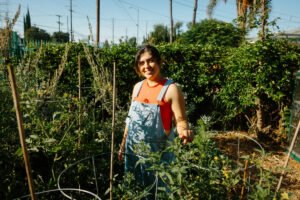
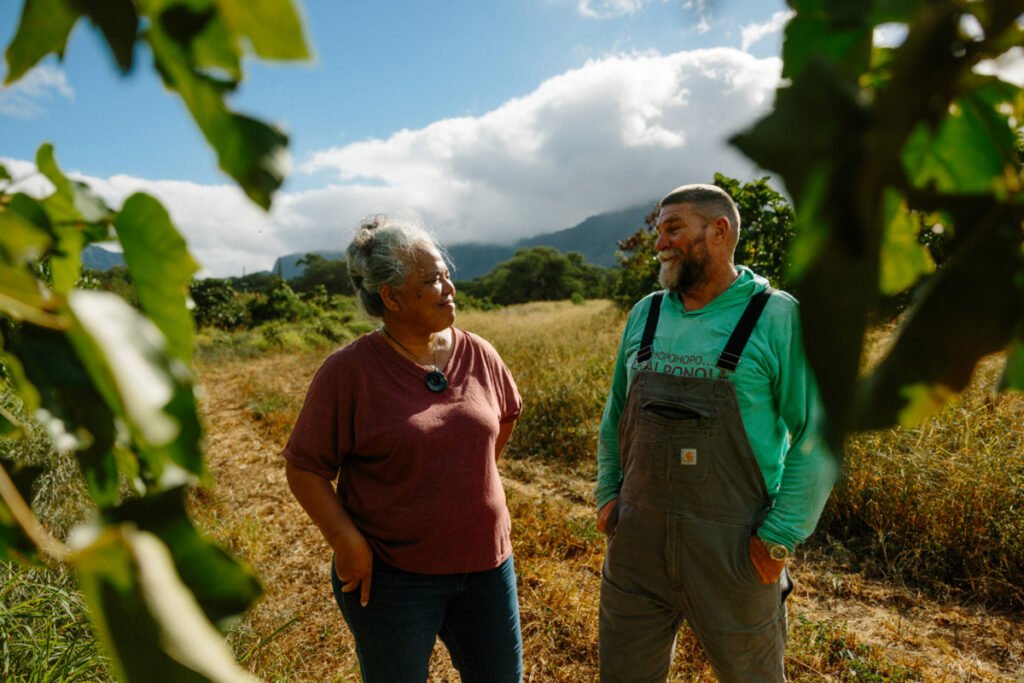
We thought that we’d start an organization that would provide a challenge for young people, a challenge for them to work to solve a problem in the community, and at the same time we would help support them through college, but then also employ them on the farm. Young people were pivotal from the very first iteration of MA‘O Organic Farms.
We were inspired by the work of pre-contact Hawaiians, who actually grew 100 percent of their food: both the structure, the engineered systems to grow food, and the values and practices they had to back that up.
We’ve realized that they’re willing to take up this kuleana, this responsibility, but only on certain terms. Like they don’t want to farm one product—that would just chase them away. They want to farm with other young people. We really believed in the goal of mentoring young people, but not forgetting that there is peer-to-peer mentoring that’s possible.
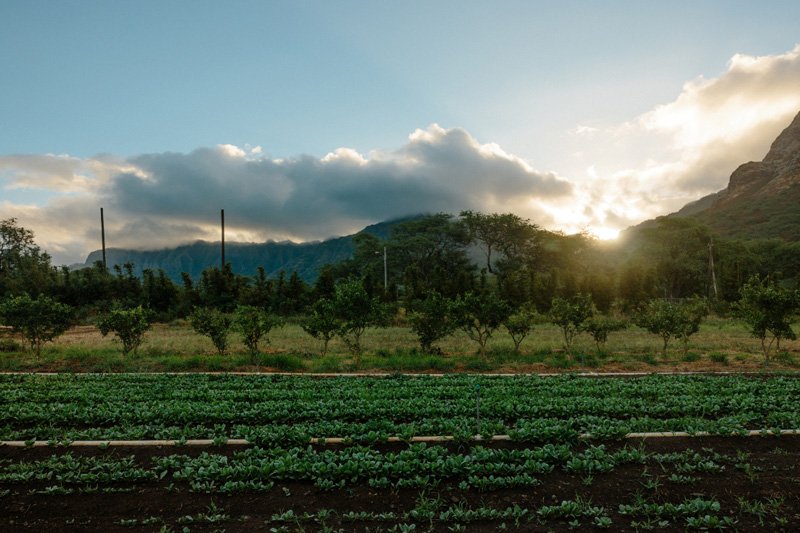
We were inspired by the work of pre-contact Hawaiians, who actually grew 100 percent of their food: both the structure, the engineered systems to grow food, and the values and practices they had to back that up. On the farm, you’ll hear young people, and all of us, talk about aloha ʻāina, which is the love of land, or the love of the land which feeds us. It’s a very spiritual term, and it’s a very applicable term.
Sign up for our free newsletters
Subscribe to NPQ's newsletters to have our top stories delivered directly to your inbox.
By signing up, you agree to our privacy policy and terms of use, and to receive messages from NPQ and our partners.
In the 1500s, the Hawaiians came up with this really unique system of managing land called the ahupuaʻa system. It was basically a triangulation of a land parcel that included a water source, mountains, and the ocean. And they thought about their watershed in incredible detail, so they wouldn’t have deforested the mauka, or upland, because they realized it was a source of nutrients and everything that was going to go downslope.
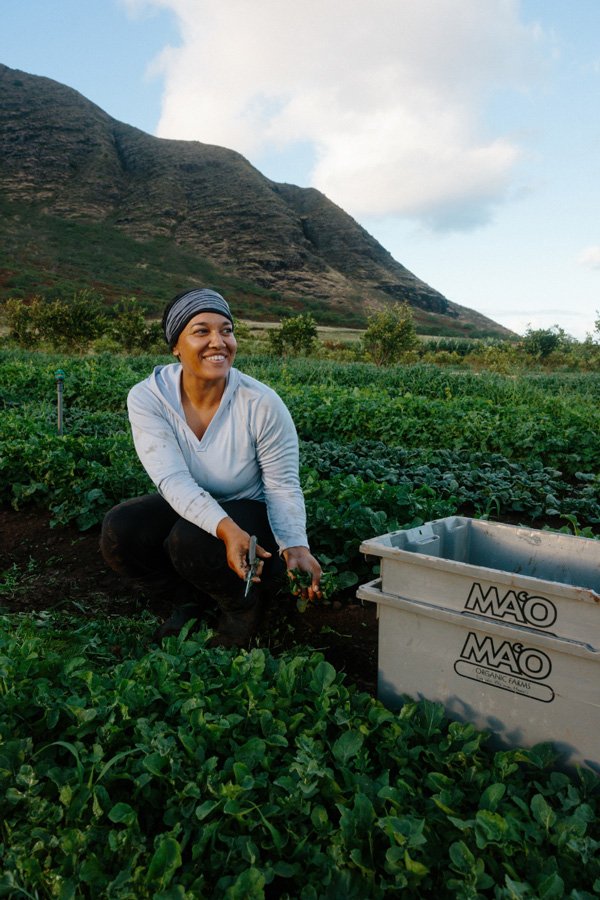
In the 1500s, the Hawaiians came up with this really unique system of managing land called the ahupuaʻa system. It was basically a triangulation of a land parcel that included a water source, mountains, and the ocean.
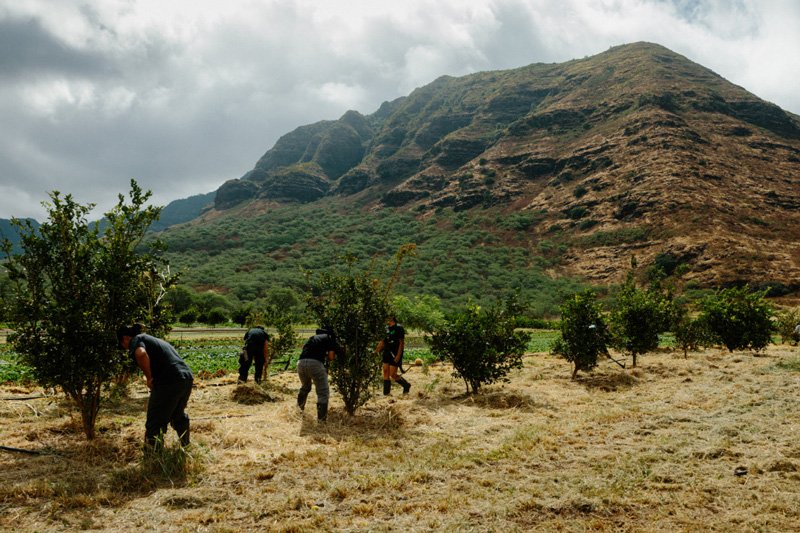
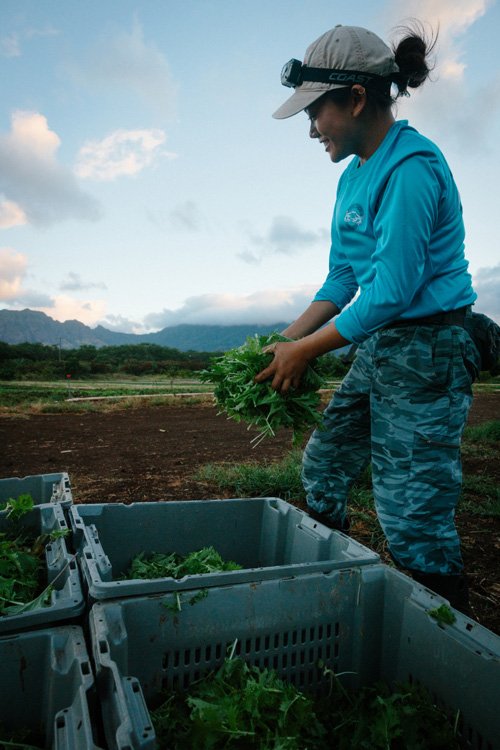
When we talk about the connection between young people and the land, that connection is leadership.
We were able to find some land that required us to invest and work on it, and we decided in the early going that we would involve young people in all aspects of the farm. We decided to teach them how to use heavy equipment, how to compost. The land is the leader. There’s a lot of very important values built around how you would treat that land.
This idea, and I think it’s probably the thing that is most burgeoning about young people in the movement, is regenerative agriculture, asking: How do you do something better for the land? Obviously, you need all the capital and equipment and all this sort of stuff. But you do need two other things. You need to have some exposure to it or some education about it. And you need a commitment to it.
When we talk about the connection between young people and the land, that connection is leadership.