logo logo
giving banner
Donate
    • Membership
    • Donate
  • Social Justice
    • Racial Justice
    • Climate Justice
    • Disability Justice
    • Economic Justice
    • Food Justice
    • Health Justice
    • Immigration
    • LGBTQ+
  • Civic News
  • Nonprofit Leadership
    • Board Governance
    • Equity-Centered Management
    • Finances
    • Fundraising
    • Human Resources
    • Organizational Culture
    • Philanthropy
    • Power Dynamics
    • Strategic Planning
    • Technology
  • Columns
    • Ask Rhea!
    • Ask a Nonprofit Expert
    • Gathering in Support of Democracy
    • Humans of Nonprofits
    • The Impact Algorithm
    • Living the Question
    • Nonprofit Hiring Trends & Tactics
    • Notes from the Frontlines
    • Parables of Earth
    • Reimagining Philanthropy
    • State of the Movements
    • We Stood Up
    • The Unexpected Value of Volunteers
  • CONTENT TYPES
  • Leading Edge Membership
  • Newsletters
  • Webinars

More Corporate Philanthropy Shenanigans

Rick Cohen
January 31, 2008

New York State’s new attorney general, Andrew Cuomo, recently got the nation’s largest student-loan dispenser known, Sallie Mae, to pay a $2 million penalty for providing various incentives to nonprofit colleges for signing up their students as borrowers—Note: Like Fannie, Sallie was established as a GSE in 1972 to facilitate a secondary market in student loans, but it went fully private in 2004, unlike the sort of hybrid existence of for-profit GSEs such as Fannie Mae and Freddie Mac. In some cases uncovered by AG Cuomo, collegiate financial aid directors accepted personal loans, shares of stock, and compensated advisory board positions with other student loan providers; Sallie Mae however said that it only paid college advisory board members for “soda and cookies,” we kid you not.

The latest saga extends the story to college alumni associations which are typically 501(c)(3) tax exempt nonprofits, though some are unincorporated groups. Cuomo has subpoenaed 90 alumni associations, including associations affiliated with Iona College, Julliard, Manhattan College, and City College of New York, because of information that they might have accepted money and benefits for steering students to the Nebraska-based Nelnet student loan packager. The Wall Street Journal reported that the nonprofit alumni associations of City College, the University of Illinois, and James Madison University, among others, had various sorts of fee-based marketing relationships with Nelnet, which one said was “above board” though it wouldn’t reveal what Nelnet was paying. The University of Minnesota Alumni Association did acknowledge getting $100 for each completed loan application it fed to Nelnet.

Sign up for our free newsletters

Subscribe to NPQ's newsletters to have our top stories delivered directly to your inbox.

By signing up, you agree to our privacy policy and terms of use, and to receive messages from NPQ and our partners.

Ranking second to Sallie Mae in volume, Nelnet defended its relationships with 120 alumni associations as “affinity agreements” and “license arrangements”, which allow Nelnet to use alumni association logos in outreach to their members. In a statement, the Lincoln, NE, company said it has “affinity agreements” and license arrangements with 120 alumni associations. This is the corporate “sponsorship” issue that some nonprofits think of as corporate philanthropy, but in many cases, the direction of the philanthropy seems to benefit the corporate sponsor more than the nonprofit partners, not to mention in these cases the student loan borrowers.


Our Voices Are Our Power.

Journalism, nonprofits, and multiracial democracy are under attack. At NPQ, we fight back by sharing stories and essential insights from nonprofit leaders and workers—and we pay every contributor.

Can you help us protect nonprofit voices?

Your support keeps truth alive when it matters most.
Every single dollar makes a difference.

Donate now
logo logo logo logo logo
About the author
Rick Cohen

Rick joined NPQ in 2006, after almost eight years as the executive director of the National Committee for Responsive Philanthropy (NCRP). Before that he played various roles as a community worker and advisor to others doing community work. He also worked in government. Cohen pursued investigative and analytical articles, advocated for increased philanthropic giving and access for disenfranchised constituencies, and promoted increased philanthropic and nonprofit accountability.

More about: AccountabilityCorporate Social ResponsibilityOpinionPhilanthropyThe Cohen Report
See comments

You might also like
Philanthropy’s Drag Coefficient: When Process Costs More Than Failure
Nicole Marie Bergeron
For Many Black Women, the Target Boycott Is Not Over. It May Never Be.
Chabeli Carrazana
How Movements Protect the Powerful and Discipline the Vulnerable
Karla Monterroso
You Don’t Have to Be Unionized to Be United
Ayomide Samuel
Information as Civic Infrastructure—and How Philanthropy Can Support the Ecosystem
Rhett Ayers Butler
Cupcakes, Crisis, and the Cost of Compliance
Sadé Dozan

Upcoming Webinars

Group Created with Sketch.
April 23, 2:00 pm ET

Receiving & Giving Feedback

Essential Practices for Healthy Organizations and Communities

Register
Group Created with Sketch.
May 14, 2:00 pm ET

Equitable Compensation in Practice

A New Values-Aligned Toolkit & Discussion Guide

Register
Group Created with Sketch.
May 28, 2:00 pm ET

Learn Out Loud

Revisiting Maurice Mitchell's "Building Resilient Organizations"

Register

    
You might also like
Philanthropy’s Drag Coefficient: When Process Costs More...
Nicole Marie Bergeron
The exterior of a Target store with the logo in plain view.
For Many Black Women, the Target Boycott Is Not Over. It May...
Chabeli Carrazana
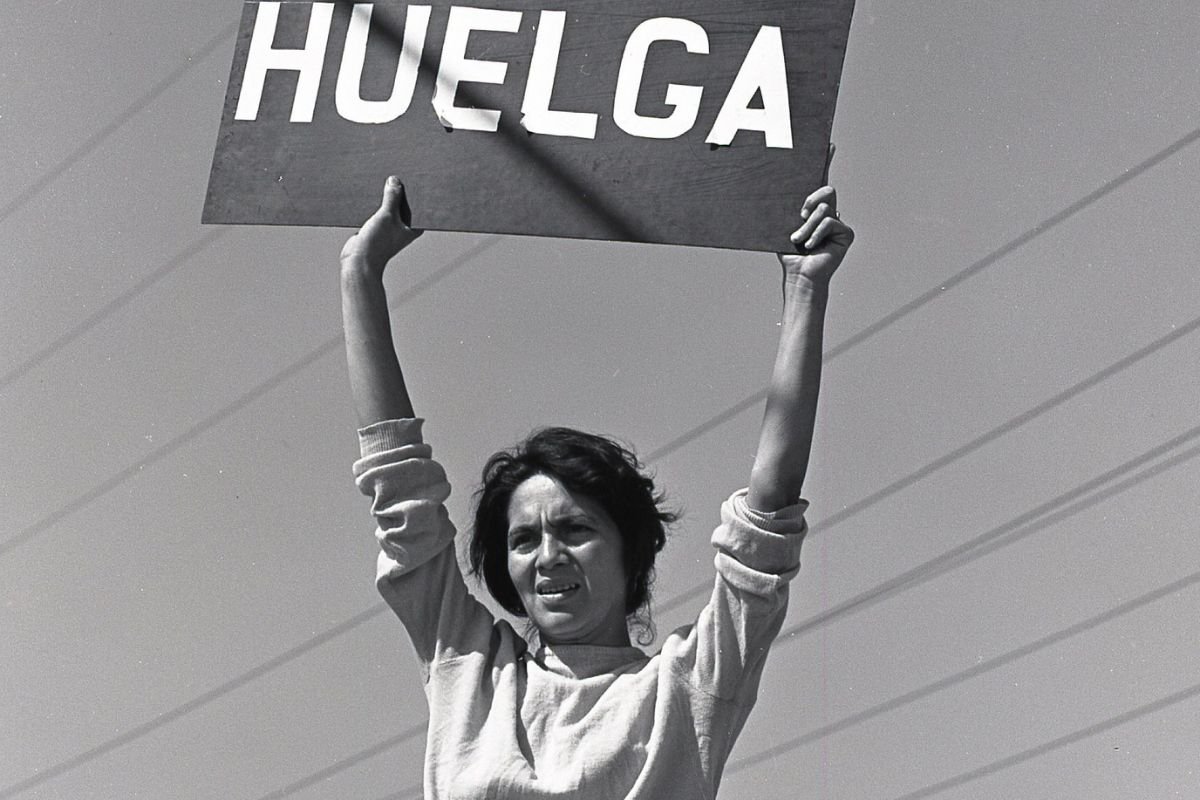
A black and white photo of Dolores Huerta in 1965, holding a sign that reads “HUELGA,” Spanish for “STRIKE,” as she led the farmworkers movement.
How Movements Protect the Powerful and Discipline the...
Karla Monterroso

Like what you see?

Subscribe to the NPQ newsletter to have our top stories delivered directly to your inbox.

See our newsletters

By signing up, you agree to our privacy policy and terms of use, and to receive messages from NPQ and our partners.

  • About
  • Advertise
  • Careers
  • Contact
  • Copyright
  • Donate
  • Editorial Policy
  • Privacy Policy
  • Funders
  • Submissions

We are using cookies to give you the best experience on our website.


Nonprofit Quarterly | Civic News. Empowering Nonprofits. Advancing Justice.
Powered by  GDPR Cookie Compliance
Privacy Overview

This website uses cookies so that we can provide you with the best user experience possible. Cookie information is stored in your browser and performs functions such as recognising you when you return to our website and helping our team to understand which sections of the website you find most interesting and useful.

Strictly Necessary Cookies

Strictly Necessary Cookie should be enabled at all times so that we can save your preferences for cookie settings.