In this series, The Unexpected Value of Volunteers, author Jan Masaoka takes on the underappreciated topic of volunteerism and provides some unexpected ideas about the role that volunteers can play in building nonprofit reach, impact, and capacity.
I recently called a foundation executive to ask if he, too, is seeing foundations retreat from funding seniors. He agreed, wryly commenting that while foundations often view funding children as an investment, they see funding older people solely as an expense.
In a capitalist culture where everything—even charitable work—is weighed against whether it generates a return on investment over time, it appears more “strategic” to give children books rather than to spend resources on seniors’ end-of-life care.
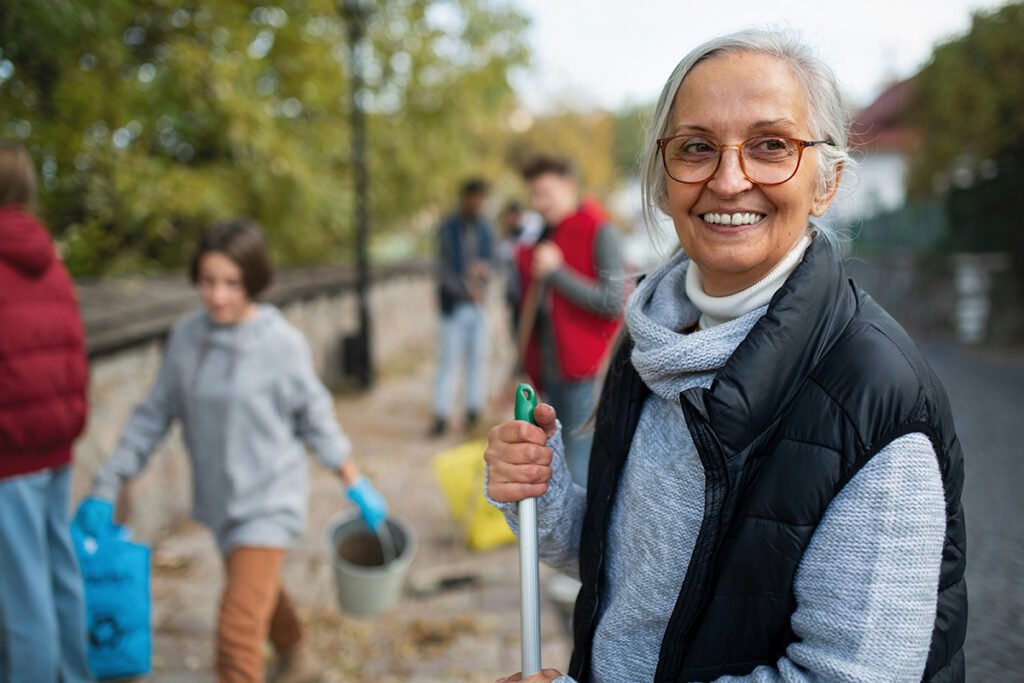
Here, I offer quite a different case. We should talk about and treat issues affecting the elderly as belonging to the sphere of social justice. The frequency and passion with which older adults volunteer, for example, is a core example of seniors as agents of change rather than solely as a drain on resources.
Indeed, senior volunteerism exposes a deep problem with how organizations and society at large view older adults. Seniors are routinely cast as people to be helped instead of people who help. This backwards framing reflects the same issues that have devalued other marginalized populations.
This, too, is a social justice issue. America’s older adults (aged 65 or older) are poorer than the general population, and 94 percent have at least one chronic health condition. Perhaps surprisingly, given those statistics, older adults punch above their weight when it comes to volunteering, as the only age group whose volunteer hours are increasing.
To understand this as a social justice issue, let’s first take seriously the issue of inequality among older adults, noting that seniors are a rapidly growing share of the population. We’ll then consider seniors as a neglected social justice constituency, despite growing numbers and high levels of civic activity. Finally, we’ll look at a social justice agenda for seniors that treats seniors as crucial change agents, rather than solely as victims or burdens.
Inequality Among Older Adults
It is common knowledge that older adults are disproportionately poor and disabled compared to the overall adult population. Moreover, when seniors are also Black and Brown, immigrants, LGBTQ+, women, and/or religious minorities, they are frequently in precarious situations. Consider these social justice failures:
- Medicaid and nursing home care: Poor people are more likely to be in nursing homes than in better care environments, with 62 percent of nursing home residents on Medicaid.
- Racial disparities: Elderly people of color are more likely to be admitted to the lowest quality nursing facilities.
- Gender and poverty: While a shocking 46 percent of men over 65 years old live in poverty, an even higher 65 percent of women in the same age group are in poverty.
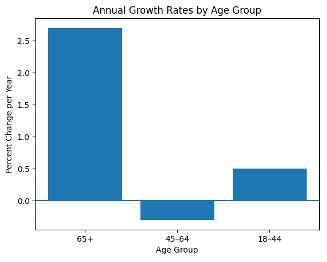
The older population group is also growing five times faster than younger adults. In this decade:
- The population of adults age 65+ will grow 2.7 percent per year
- The population of adults 45 to 64 will decline by .3 percent per year
- The population of adults 18 to 44 will increase at a far lower rate of .5 percent per year
Yet, looking through websites and blogs of progressive organizations, we are much more likely to see articles and calls to action about marginalized groups other than the elderly. Seniors are underrepresented even within organizations explicitly focused on promoting equality and fighting for social justice.
Sign up for our free newsletters
Subscribe to NPQ's newsletters to have our top stories delivered directly to your inbox.
By signing up, you agree to our privacy policy and terms of use, and to receive messages from NPQ and our partners.
How We Understand Senior Volunteerism and Civic Engagement Is Backwards
This NPQ column is about volunteerism, which leads us to a contravening trend about older adults: AARP reports that senior volunteer hours have grown faster than any other age group.
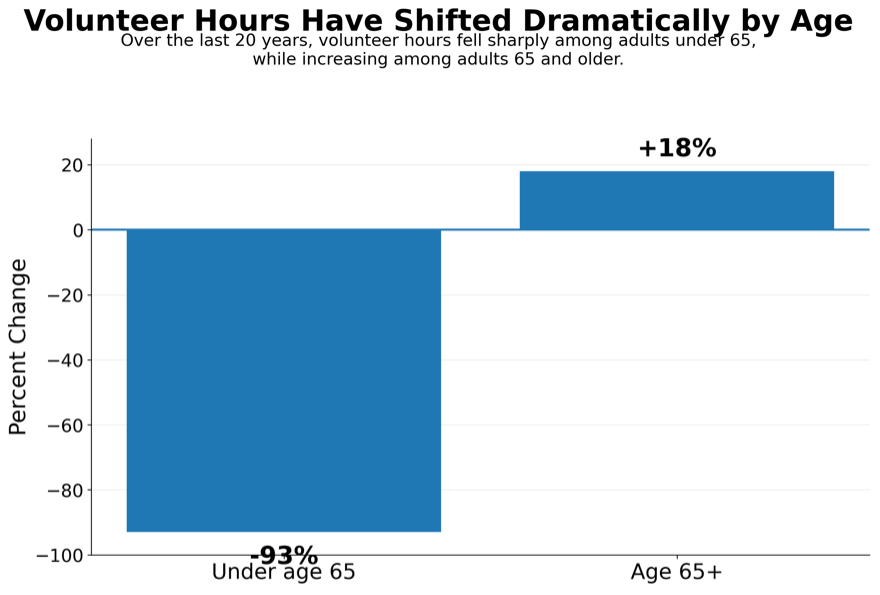
In the last 20 years, the number of volunteer hours from people under age 65 fell by a shocking 93 percent. Yet volunteer hours from people 65 and older rose by 18 percent.
During the pandemic, contrary to expectations, senior volunteer hours dropped less than in any other age group: Volunteer hours by adults under age 65 fell by 54 percent while senior hours only fell by 20 percent. Since the pandemic, the share of volunteer hours by seniors has grown from 19 percent to 29 percent.
In other words, nearly one-third of all volunteer hours are provided by older adults, yet we still more typically think of them as clients and patients rather than as volunteers.
And, painfully, much of the rationale for seniors volunteering is that it would be good for them. Messages encouraging seniors to volunteer often say things like: “It’s good for your health!” and “You’ll feel less lonely!”
Recently, almost amusingly if it hadn’t been so condescending, the San Francisco Chronicle reported that protesting can be recommended to older people as good for their health.
Senior Justice Is a Bridge Issue—and Senior Volunteerism Is the Bridge
Senior issues connect naturally to:
- Healthcare justice
- Racial justice
- Disability rights
- Affordable housing
- Retirement and wage security
- Immigrant concerns
These are all areas where senior volunteers can be heavy lifters, but only if we see and treat them as such.
Many older adults—like any marginalized population—can help, want to help, want to contribute, and want justice for themselves and their peers. Here are some examples of different ways we can think about the power and contributions of older adults:
- Voter registration and get out the vote: Add senior living communities as places to recruit and deploy volunteers; enlist seniors to make phone calls, rather than dismissing them as people to solely receive calls to alleviate their loneliness.
- Senior centers: In addition to organizing trips to movies and shopping, organize trips to volunteer at schools as reading partners.
- Advocacy organizations: Organize a “Senior Advocate Corps” in your organization to mobilize seniors to write postcards and make phone calls to legislators.
Whatever you recruit volunteers for, recruit seniors. They’re a readily available, undervalued, and underorganized nonprofit resource willing to put in the hours to build toward a better tomorrow. Put plainly, older adults are a power base hiding in plain sight.