Within racial justice spaces, a “Fourth Degree” of Price Discrimination is slowly emerging that is rooted in reparationist policy and takes a practical approach to the racial wealth gap.
Race-conscious Pricing Structures as Reparationist Policy




Within racial justice spaces, a “Fourth Degree” of Price Discrimination is slowly emerging that is rooted in reparationist policy and takes a practical approach to the racial wealth gap.

To remake the economy requires systemic vision, relationship building, and scale. It also requires learning from the best of multiple organizing traditions.

At an economics conference panel this fall, social movement leaders discussed some key lessons they’ve learned in the face of COVID-19 and the movement against anti-Black racism.

Community-based models of land ownership show great promise to reduce the nation’s wealth gap. But a culture rooted in radical empathy is also required.

Amid the economic response to COVID-19, CDFIs expanded to meet the need. At their annual conference, sector leaders considered how to build on those gains.

If nonprofits and movement organizations truly value people, current HR practices do not serve them well. It is time to repurpose HR from top to bottom.

With Harvard and the Ford Foundation exiting from fossil fuel stocks, divestment is clearly now mainstream. How will this affect prospects for climate justice?
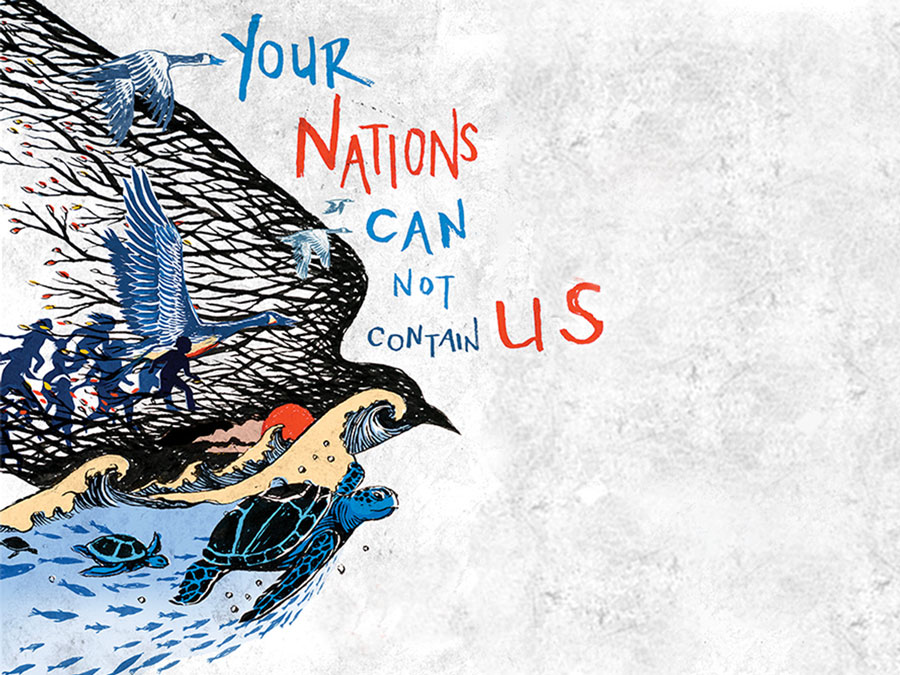
In this conversation about Puerto Rico, climate crisis, leadership, and critical knowledge from communities of color, Cyndi Suarez speaks with a beloved environmental leader in Puerto Rico.

To meet the present moment and achieve a more just future for all, we must embrace the interconnectedness of our challenges in ways that energize community-based solutions.

Founded on discriminatory practices and policies, discourse surrounding criminal matters—from courtrooms to news reports—is rooted in the unconscious or conscious belief that Black people are more prone to criminal behavior.

To overcome structural racism and a deeply inequitable society, the community development field must embrace fair housing as core to its transformative work.

If at first you don’t succeed, try again. So it is with co-op media, as one media co-op ceases publication in Akron and others launch in Baltimore and West Virginia.