While impact investing has promise, realizing that promise requires developing common social justice principles.
Building the Social Justice Architecture for Impact Investing



While impact investing has promise, realizing that promise requires developing common social justice principles.
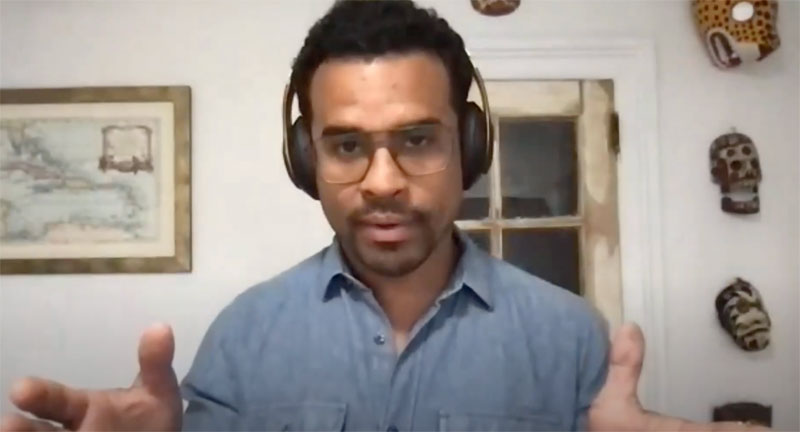
This week, we are inspired by the leaders of two organizations—Recess and The Campaign for the Fair Sentencing of Youth (CFSY)—who share perspectives on how co-directorship can be a canvas upon which to reimagine how we work together as people striving towards equity and justice. In covering shared leadership for many years now at NPQ,
This brief and powerful clip calls us to remember, especially when we get scared of the messiness and the unknown of sharing power, that top-down, white dominant leadership never did serve everyone.
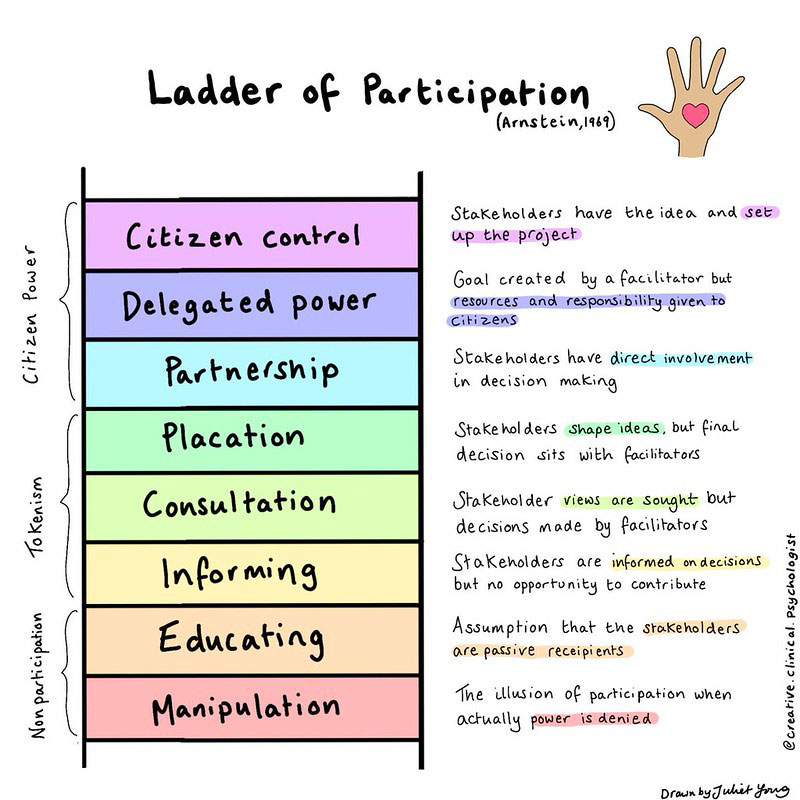
There are many ways to open up grantmaking to community participation. But participation is only meaningful if power is shared.

In this clip, participants explore challenges as majority-white organizations transition to BIPOC-led ones, different types of work happening around race, and how to build strong communities rather than cancel cultures.

We can rid ourselves of the supervisor title—but to truly rid ourselves of the embedded racism in organizational leadership is to envision a different paradigm.
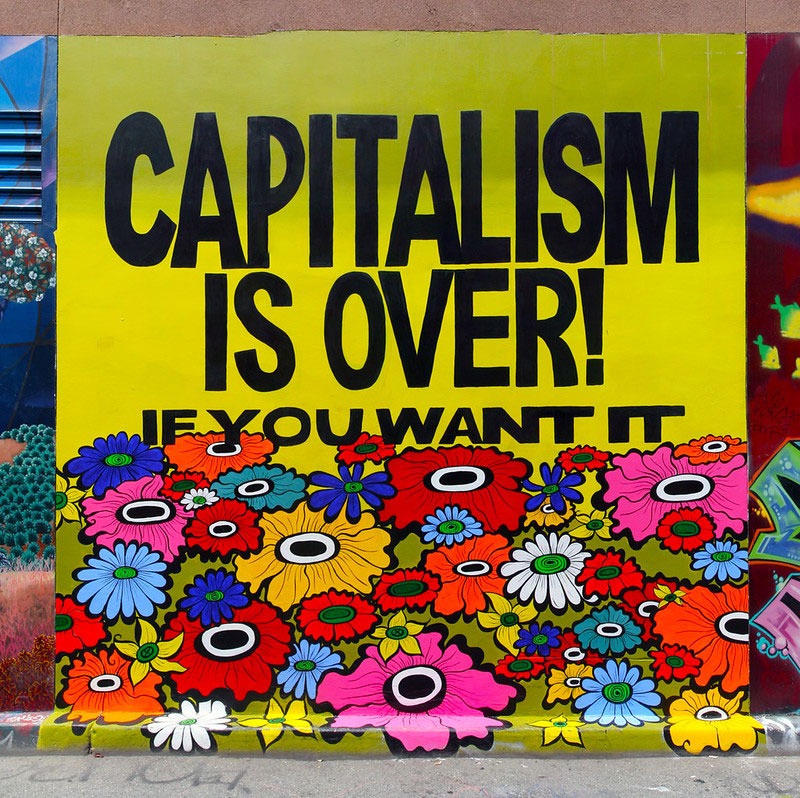
Last month, leading economic thinkers at Harvard explored the possibilities of forging a kinder, gentler capitalism in a post-COVID world.

To effectively reduce racial disparities, the billions flowing through the state, cities, and towns across Minnesota need to be invested in wealth-building infrastructure.

Program-related investments are not new, but many still shy away from them. Here are some basic steps you can take to figure out whether and how to use this vital tool.
One question asked too little in infrastructure debates: How did US infrastructure needs become so vast to begin with? Corporate tax loopholes are part of the answer.

Poet, NPQ contributor, and Edge Leadership member Anastasia Tomkin reads her poem.

Reading poetry strengthens our observation and appreciation for what goes where. This is a remarkable parallel to the day-to-day design leaders do.