Federal enforcement against corporate monopolization has been largely nonexistent the past 40 years. That may be about to change.
Rules of the Road for the Internet Age? An Anti-Monopoly Movement Rises
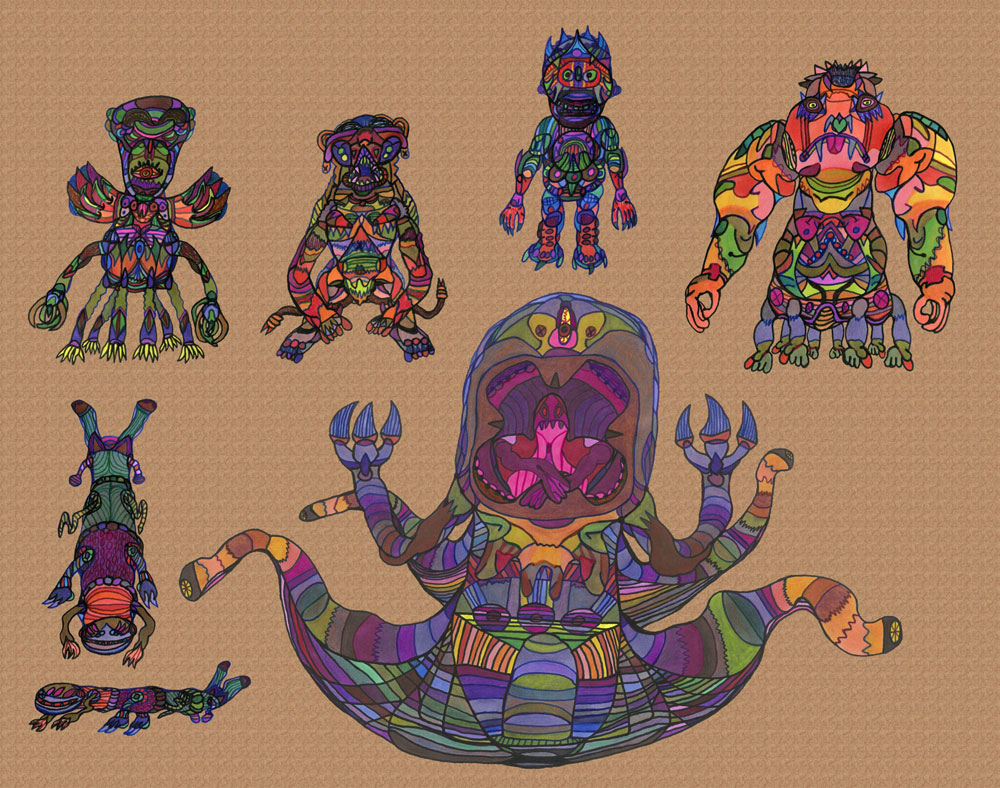



Federal enforcement against corporate monopolization has been largely nonexistent the past 40 years. That may be about to change.

To address our democratic crisis in the US and around the world, foundations need to shift their mindsets and serve as schools of democracy, not defenders of oligarchy.
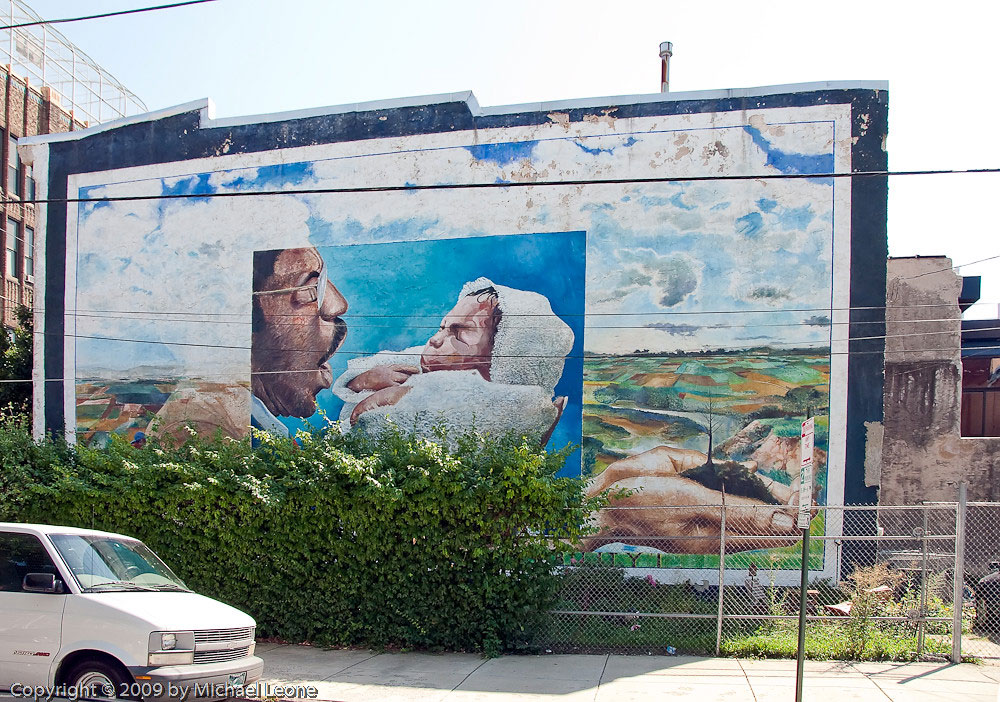
Community health centers are vital players in vaccine distribution, particularly in communities of color. They need federal financial support.

An exhibit curated by a University of Michigan graduate student illustrates how Black Americans have used photography to upend white supremacist cultural perceptions.

Many foundations shifted practice in 2020 in ways previously seen as “impossible.” Now it is incumbent on philanthropy to make “the impossible” the norm.

The city of Long Beach, California, mandated a $4-an-hour bonus in pay for four months for grocery workers. Rather than pay, Kroger moves to shutter its two stores.

Students under COVID-19 face growing mental health challenges, prodding university administrators to redesign their programs.
“When we find ourselves in conflict, we think that it’s us, and often it’s the form—the form has produced the thing because the form affords a certain thing.”

In Seattle, community-led participatory budgeting moves from concept to reality as the contours of a community-based process to allocate $30 million come into focus.
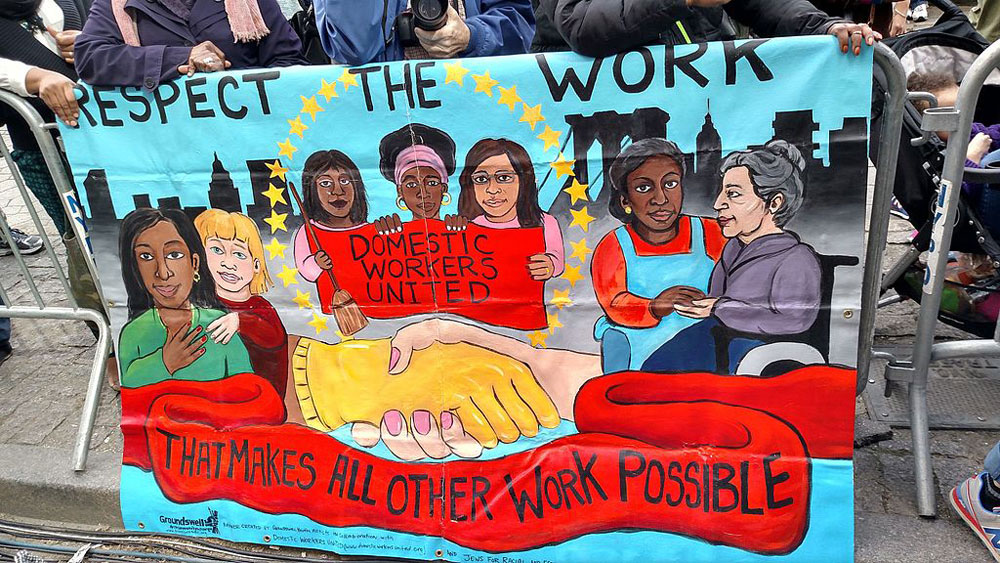
Frozen federally at $7.25 an hour since 2009, a new bill introduced into Congress would raise the minimum wage to $15 an hour by 2025.

A multi-year partnership between philanthropy and local nonprofits is helping communities across the US transition to a more sustainable economy.

President Biden already has 57 court vacancies to fill. Advocates are pressing Biden to follow through on commitments to appoint judges that reflect the nation’s diversity.