Politicians and campaigns today must break through our algorithmic attention economy by using storytelling to connect with voters, draw in unlikely supporters, and help people imagine a better future.
Politics in an Attention Economy




Politicians and campaigns today must break through our algorithmic attention economy by using storytelling to connect with voters, draw in unlikely supporters, and help people imagine a better future.

Science and democracy are under attack. We have the tools, knowledge, and lessons from history to preserve critical services and protect scientific truth—by building powerful parallel institutions.

Our democracy has already moved into being a competitive authoritarian system in which the playing field is uneven. If we fail the four tests, then that unfairness may well get locked in for decades to come.

A faith leader announced the end of a yearlong “Target fast,” but many Black women who helped launch the boycott say the movement wasn’t his to call off.

As war erupted between the Sudanese Armed Forces and the Rapid Support Forces, students exemplified the bravery of humans and the resilience of nonprofits to support them.
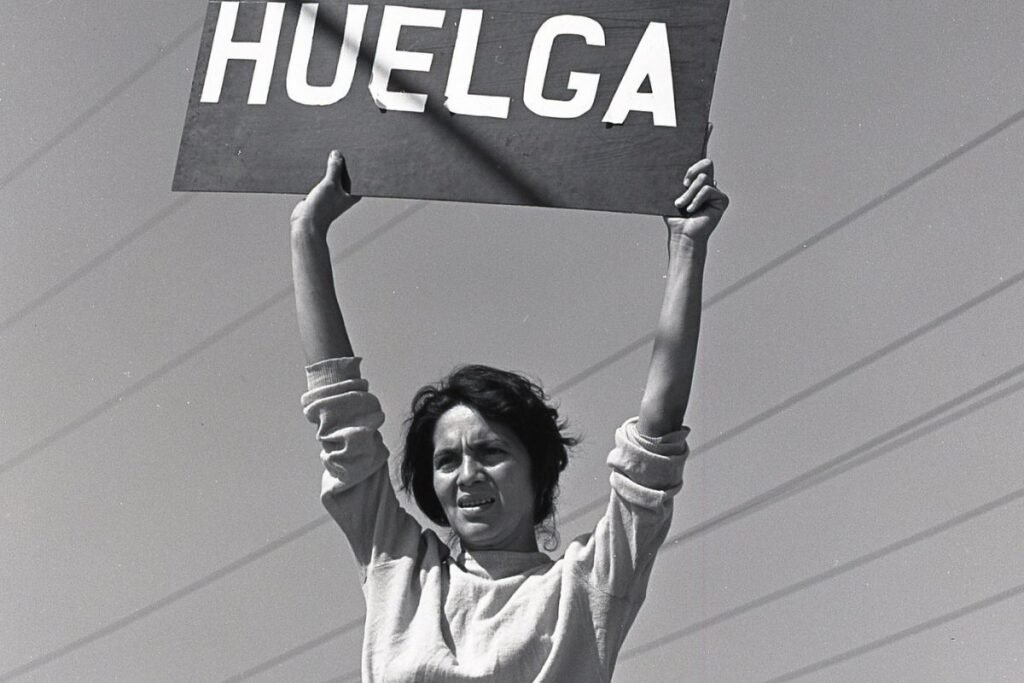
The Cesar Chávez investigation reveals the harmful pattern of exploitation, silence, that protects the powerful. We must intentionally design our movements so that accountability flows in all directions.

Confusion, litigation and the threat of wage garnishment under Trump have left millions of teachers, nurses and other public service workers with few options and little hope.

Sometimes change starts small. When one nonprofit worker asked a simple question, it led to policy changes that improved employees’ quality of life.
The arrest of journalist Estefany Rodríguez sets a dangerous precedent of policing free speech and the press.

Mississippi has become a hotspot for these deaths largely because of lax gun laws and restrictive abortion access.
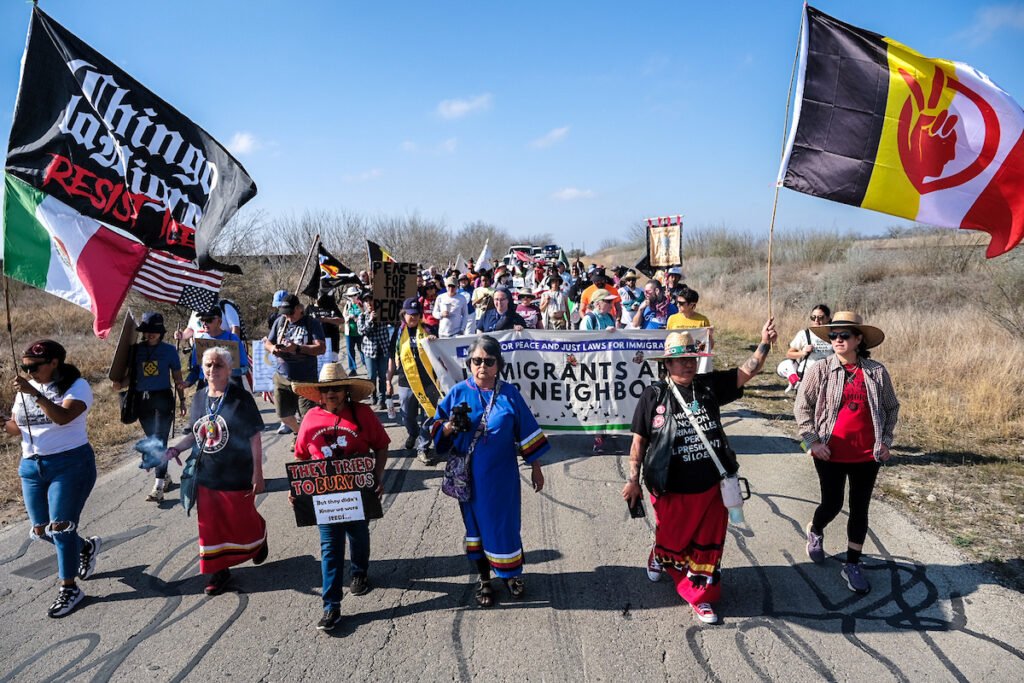
Since January of last year, at least 3,800 children have been detained by ICE. What’s the impact of immigration enforcement on so many children on the frontlines?
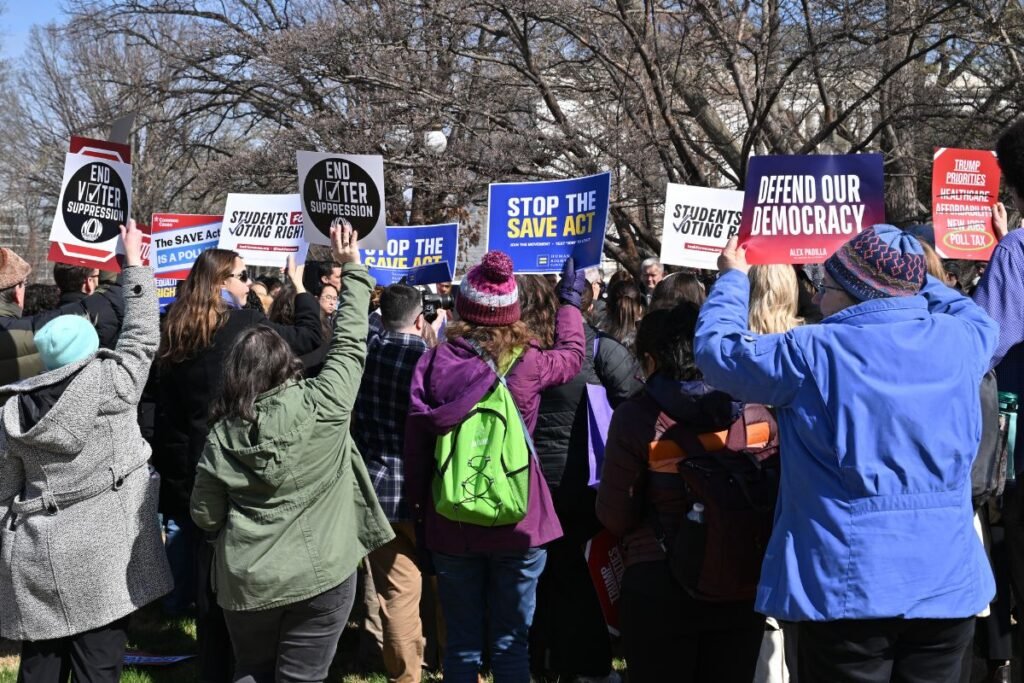
An explainer on the bill that would require voters to provide documents—such as US passports or birth certificates—proving their citizenship.