Two media scholars break down the impact of budget cuts to public media.
Clawback of $1.1B for PBS and NPR Puts Rural Stations at Risk—and Threatens a Vital Source of Journalism


Two media scholars break down the impact of budget cuts to public media.
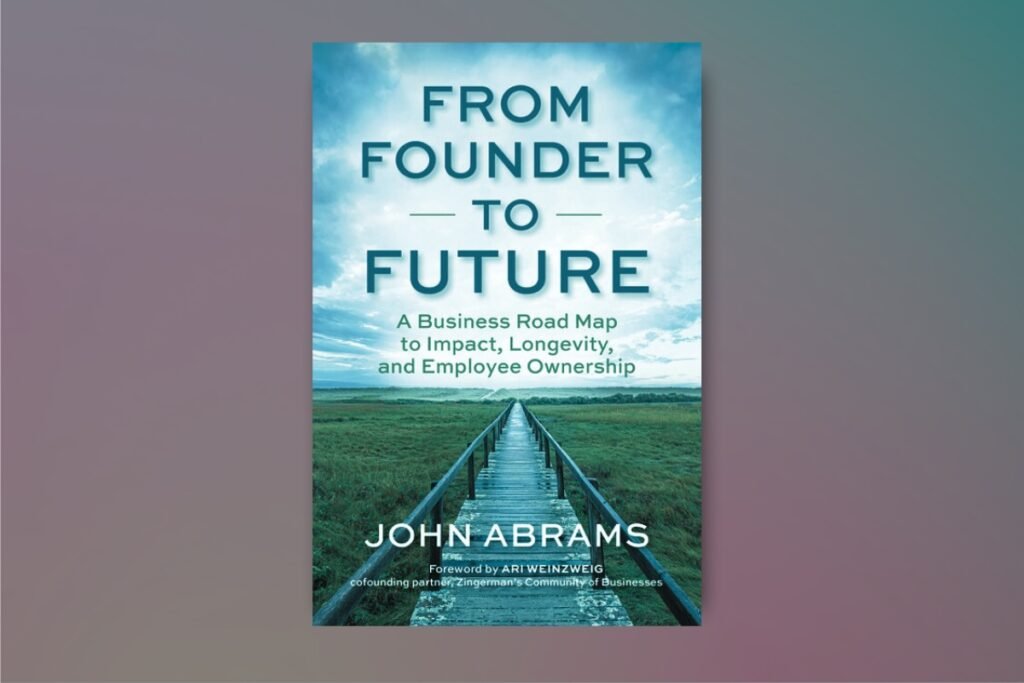
How can workers become owners of the business where they work? John Abrams, who founded a company that later became a worker co-op, lays out key steps.
Employee ownership of businesses has the potential to be a tool of social transformation. Getting there, however, requires building the muscle of democratic leadership.

As climate tech, including AI, races ahead, are these solutions helping or hastening the climate crisis?
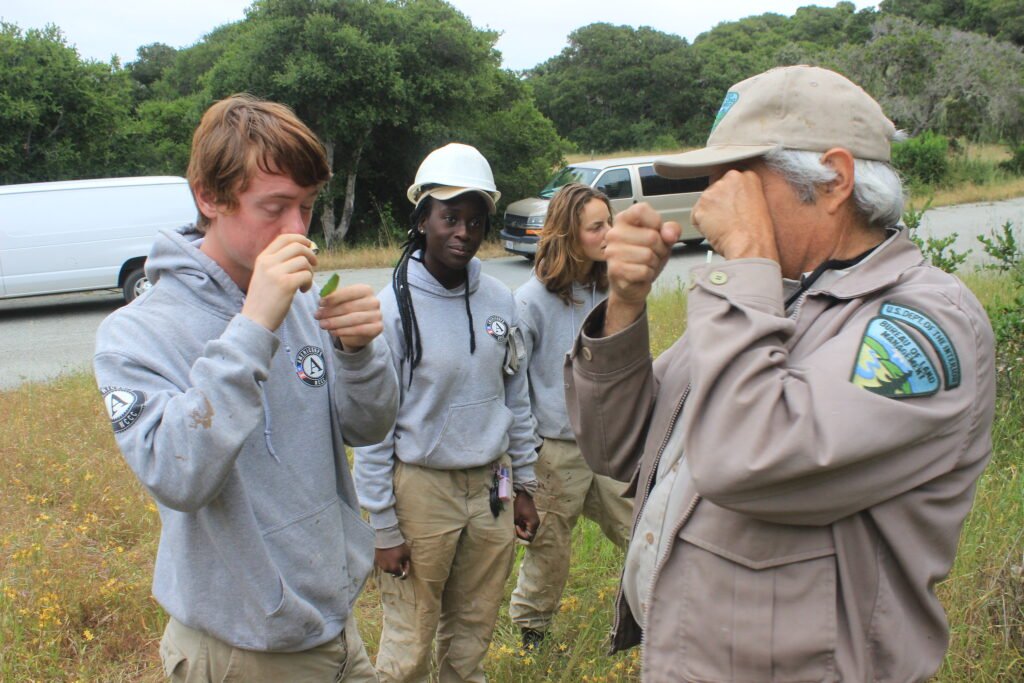
When it comes to the state of AmeriCorps, lawsuits and advocacy have made a difference. But the federal service program remains at risk of termination.

In 2024, campus protests in solidarity with the people of Gaza were visible across the media—this year, less so. But while tactics have shifted, the movement continues.
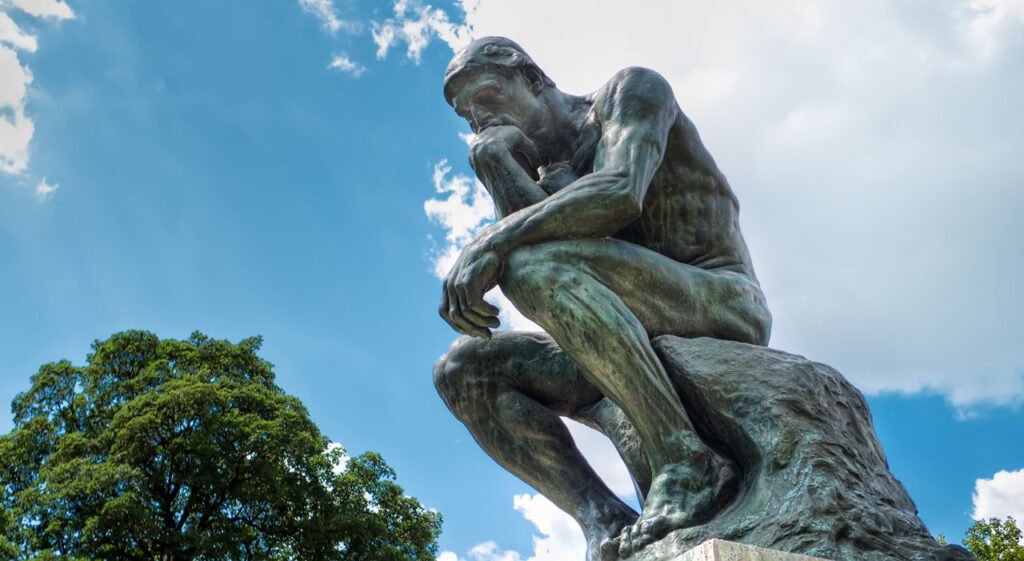
The ways funders and impact investors think about money often reinforces inequality, even when they seek to reduce it. Here are some ways to get out of this vicious circle.

The Whitaker Peace and Development Initiative’s latest collaboration with a world-renowned satellite provider could help minimize the disparity in digital access seen in conflict-affected regions.
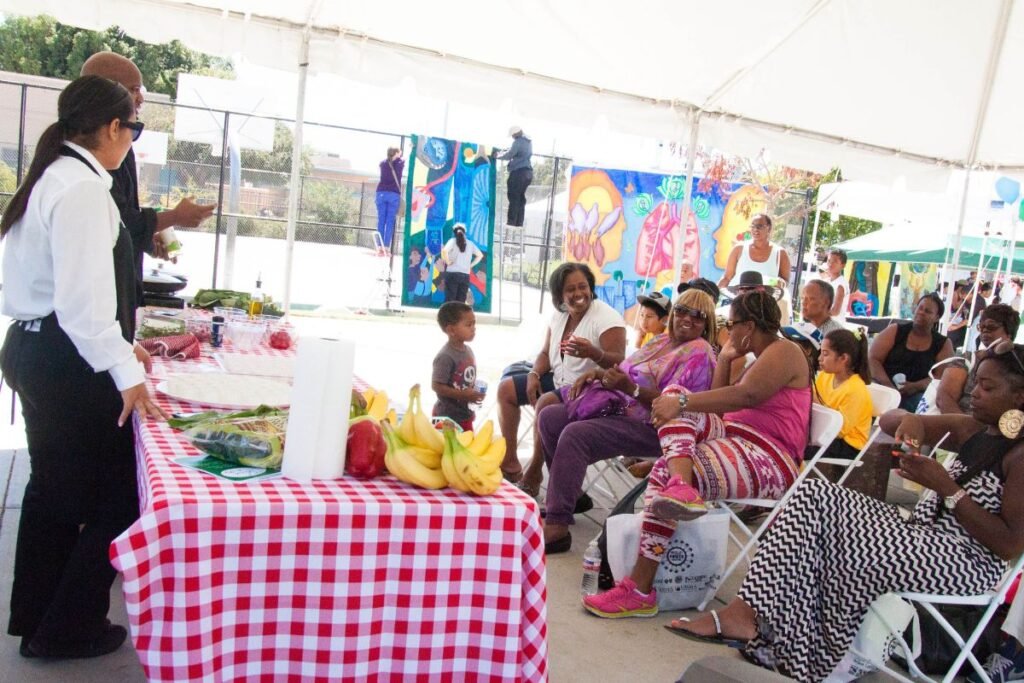
For many food justice organizations, ownership of spaces like markets, kitchens, and commercial food hubs is central to protecting communities from displacement.

From floods to droughts and heat waves, the climate crisis is changing summer camp. Can we still send our kids there?

Can authoritarianism be stopped? Five sectors (unions, businesses, faith institutions, professional associations, and security forces) play critical roles in answering that question.
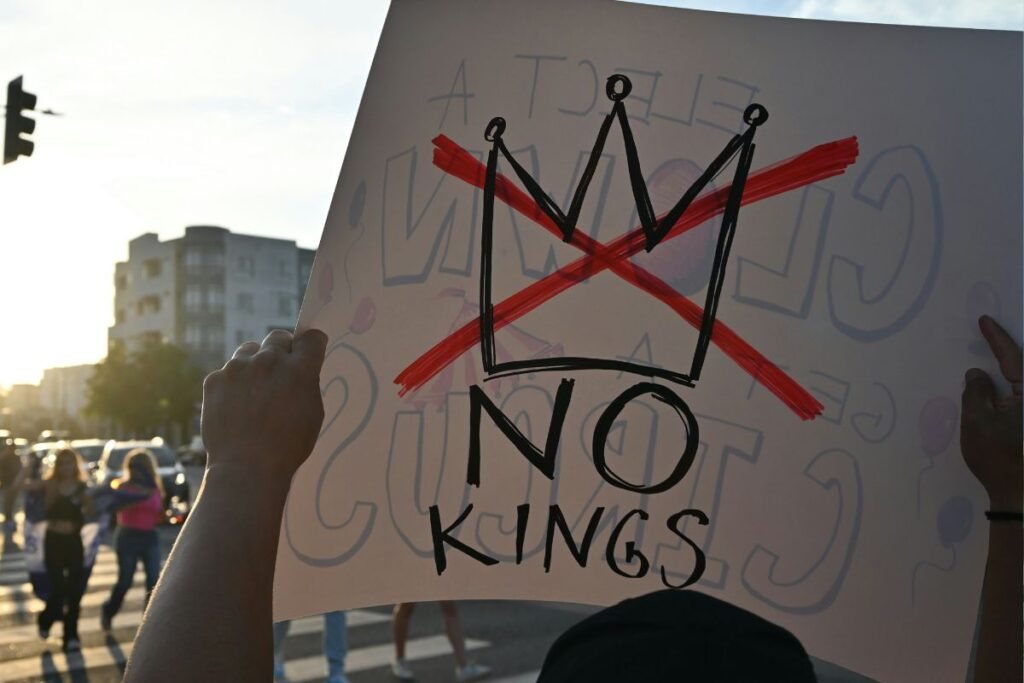
Amid political polarization, public trust in nonprofits remains high, though concerns grow about government influence and wealthy donors’ motives.