NPQ puts forward two positions to the nonprofit sector on tax policy concerns at the national and local levels.
NPQ Positions on the Multidimensional Landscape of Nonprofits and Taxes




NPQ puts forward two positions to the nonprofit sector on tax policy concerns at the national and local levels.

When it comes to issues of campaign finance reform, most will expect liberal-leaning groups to favor reform. But that premise ran into a brick wall this week in the state of New York—a wall called “organized unions”—and it might do so elsewhere.

RespectAbility’s study about the lack of inclusion of people with disabilities on nonprofit boards and staff should serve as a wake-up call.

Projecting for a state of sustainability without a philanthropic subsidy is a risky business for a nonprofit publisher.

Amnesty International USA may soon be before the National Labor Relations Board for a case stemming from when they still had unpaid interns.
The context of a “mundane question” means a great deal, say these advocates, and the fallout from a census undercount creates another weapon against immigrants and the locales where they live.

“The United States has built the largest nonprofit sector in the world, due in part to the fact that federal and state governments have offered favorable tax treatment and charitable giving incentives for a full century,” writes Tim Delaney—and the “complex battles over whether these tax laws still make sense in the same way will surely be with us for the next century.” With this reality in mind, Delaney maps out how tax policy is made, in order to understand and stay on top of the developments.

When is philanthropic largesse a problem? When it is placed in context. The enthusiastic response to the Notre Dame cathedral has many questioning the long-held practice of philanthropy being driven by donor passion.

An article from Los Angeles reports that faux patient advocacy groups flourish, funded by Big Pharma and fighting to charge exorbitant prices.

Achieving state-specific 501c3 status can be challenging for small, under-resourced arts and culture organizations, and the fact is you may not need to take this step to access grants.
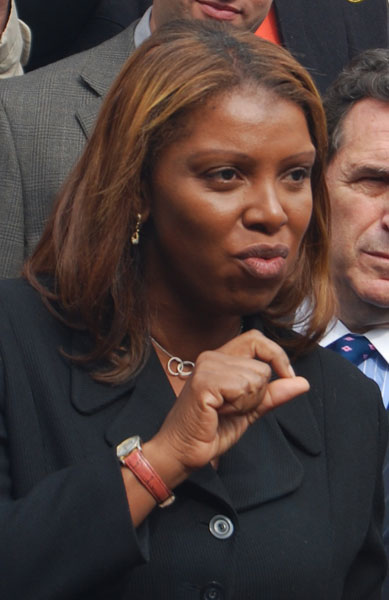
Yesterday, the president alternated his tweets between declaring that New York was subjecting the NRA to an illegal “siege” and remonstrating them to get it together.

There have been many proposals to tax nonprofits over the years, and while most have not succeeded, some have found their mark. This article is a proposal to the sector to do some self-reflection and dispassionately consider what lies beneath the ongoing tug-of-war about the taxability of nonprofits.