How can employee ownership policy advance at the state level? As this story from Massachusetts explains, passing new policy is an iterative, step-by-step process.
Employee Ownership Advocates Make Policy Gains in Massachusetts




How can employee ownership policy advance at the state level? As this story from Massachusetts explains, passing new policy is an iterative, step-by-step process.

This August in Oxford, England, delegates from across the globe gathered to share ideas on how employee ownership can help build a more equitable economy.
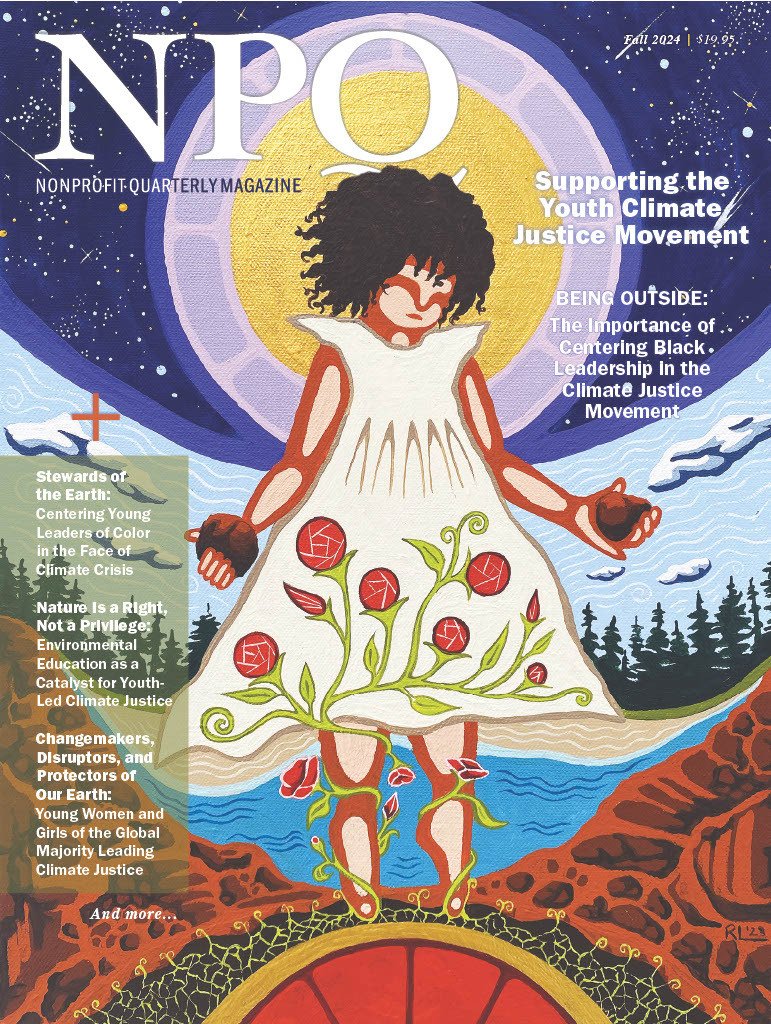
As People’s Climate Innovation Center’s Radiah Shabazz Harold and Nyasha Harris observe, “Communities of color—Black and Indigenous communities, in particular—experience disproportionate impacts from climate change despite contributing the least to the ongoing crisis.” This issue of Nonprofit Quarterly Magazine brings you the voices of young climate justice leaders around the world, the majority identifying as

Candid is out with its 24th comprehensive report on executive compensation.

Nearly 20 years ago, a Cleveland foundation got area hospitals to invest in an “anchor institution” strategy. Today, anchor language is ubiquitous. Impact? That’s less clear.

Including people of various ethnic backgrounds, skin colors, body types and forms of gender expression in medical textbook illustrations better equips students training for medical careers to deliver equitable care.

A landlocked country in Southern Africa can teach the United States about improving crop production with low-cost, organic methods.

What will it take to build a just energy transition in an oil-dependent region like the Canadian province of New Brunswick? It requires not just clean energy but community control.

The rise of an anti-immigrant, often authoritarian, far right is a global phenomenon. Examining the far right in Germany provides valuable lessons for the United States.

Through storytelling, investment, and culture building, historically Black cities in the US South are paving the way toward a more equitable and prosperous future for all.

Two co-op business groups—one based in North Carolina and one national in scope—offer new ways to advance the building of a democratic economy.

It’s not surprising that economic democracy was not discussed at the September presidential debate, but it reveals a major gap in the media’s take on “economy.”