The next phase of climate justice may depend less on who writes the rules and more on who controls and protects the money that turns those rules into reality.
Could States Lead Climate Justice Funding?




The next phase of climate justice may depend less on who writes the rules and more on who controls and protects the money that turns those rules into reality.
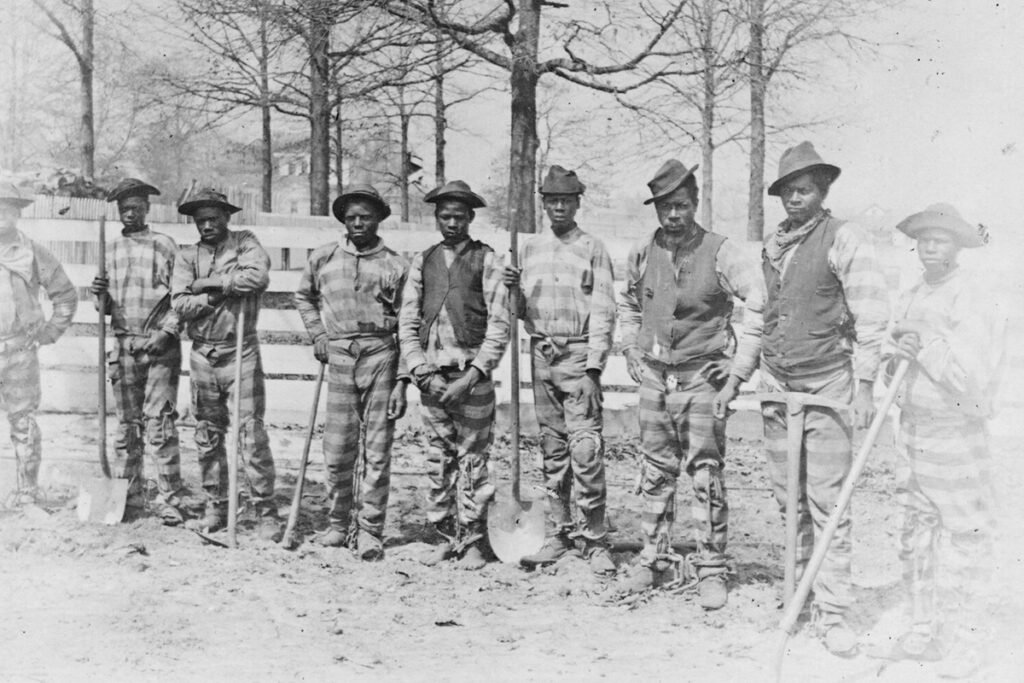
The arc of Georgia prison labor bends not toward justice or rehabilitation, but towards profit for the elite—accumulated through the inhumane treatment and systematic exploitation of the state’s poor, and disproportionately Black, population.

Nonprofits from across Minnesota and beyond are racing to save the beloved Boundary Waters from mining and exploitation.

History shows that there is a legacy of people who have intentionally chosen to work in the South to combat threats—and this work has benefited everyone.
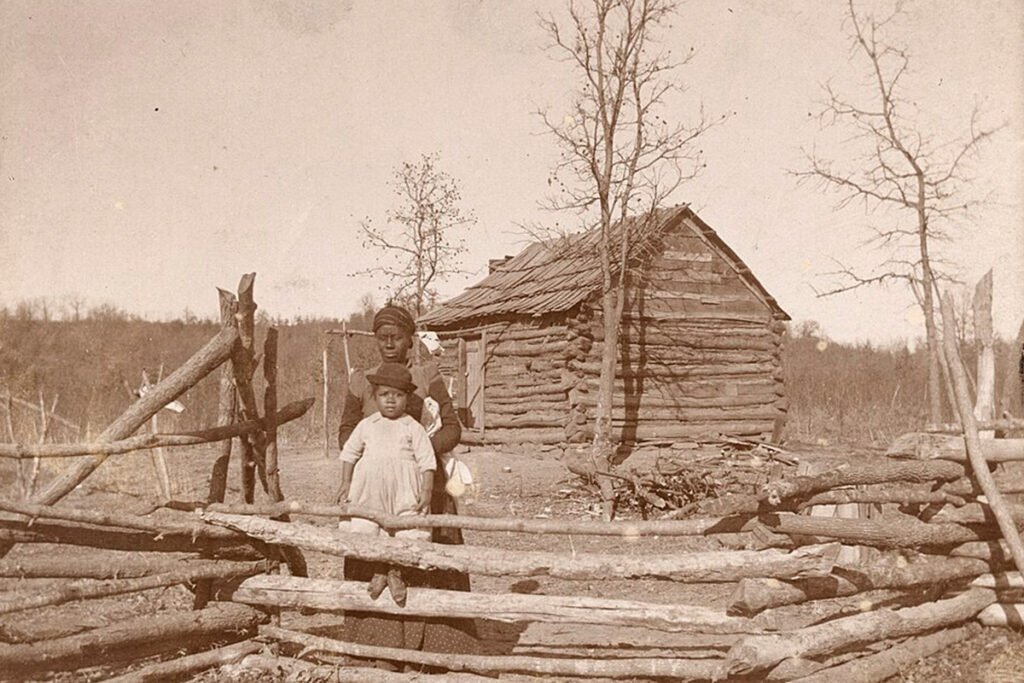
The Muscogee (Creek) Nation’s refusal to implement its own courts’ rulings on Creek Freedmen citizenship is a live test of whether legal and moral covenants survive political pressure—and every nonprofit, CDFI, and philanthropic leader has a stake in the outcome.

My family’s custodianship of David’s tomb suggests that civic life begins before citizenship and survives beyond sovereignty. The United States at its 250th anniversary must grapple with the fact that it has spent decades breaking with the principles of its own founding documents.
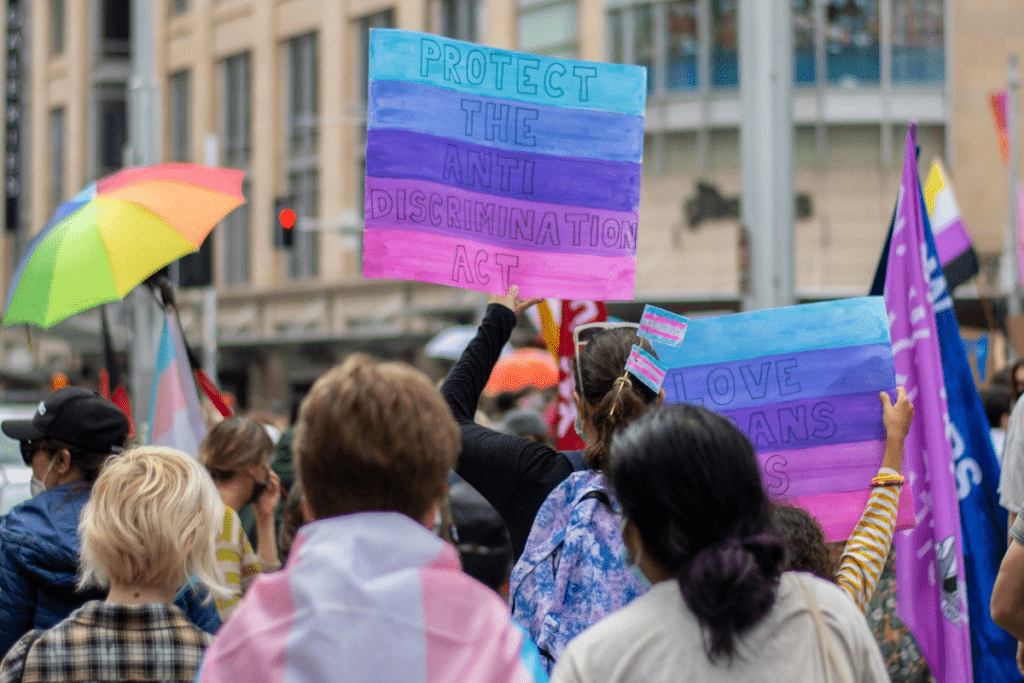
If a pro-trans majority is on the table, how might we cultivate it? By building majorities, practicing solidarity, contesting for governing power, and offering a vision.
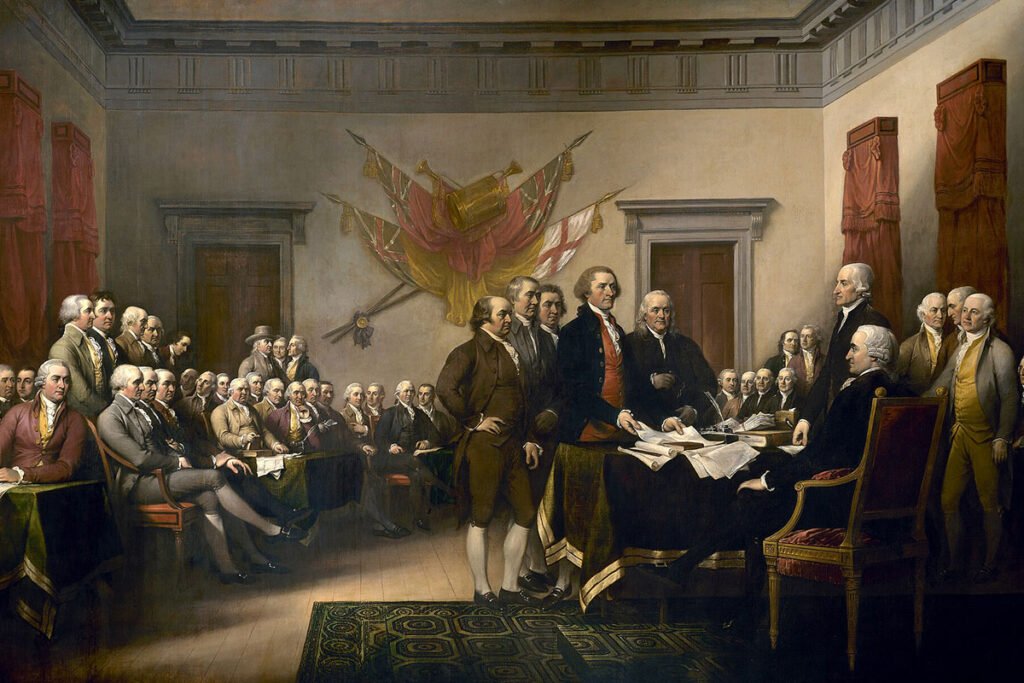
John Hancock did something revolutionary 250 years ago when the Massachusetts merchant signed the Declaration of Independence, announcing to the world that 13 English colonies were freeing themselves from Great Britain and from monarchy.
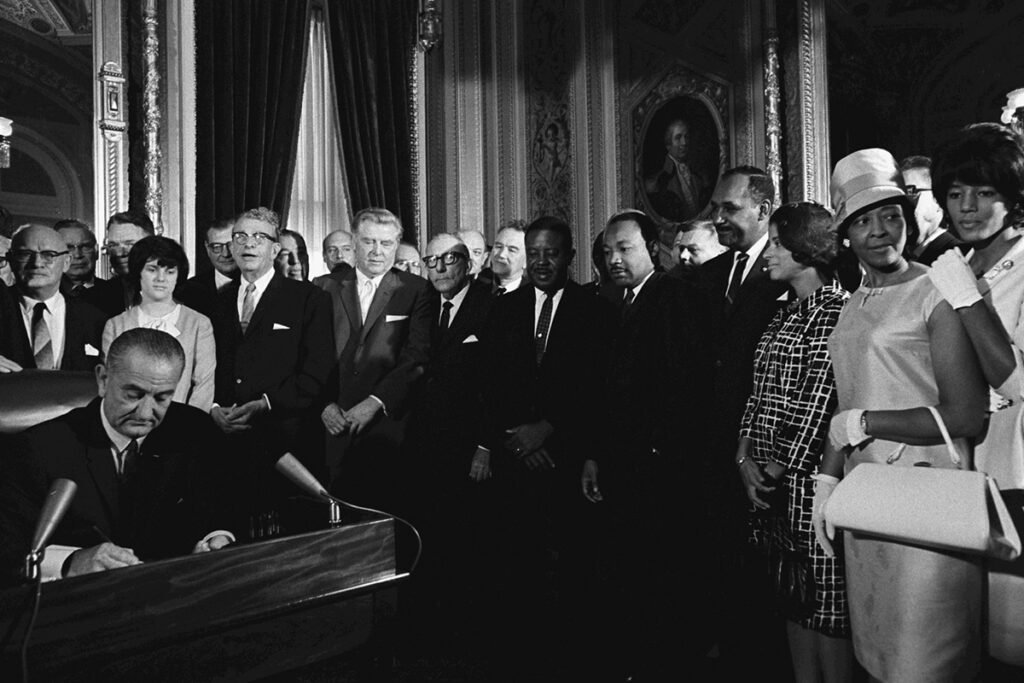
Southern states are feeling the ripple effects of an earlier Supreme Court ruling that’s rewriting 60 years of voting protections.

Keeping the community at the center requires boards to look past familiar and comfortable strategies, even when doing so creates friction, costs a gift, or demands change no one is quite ready for.
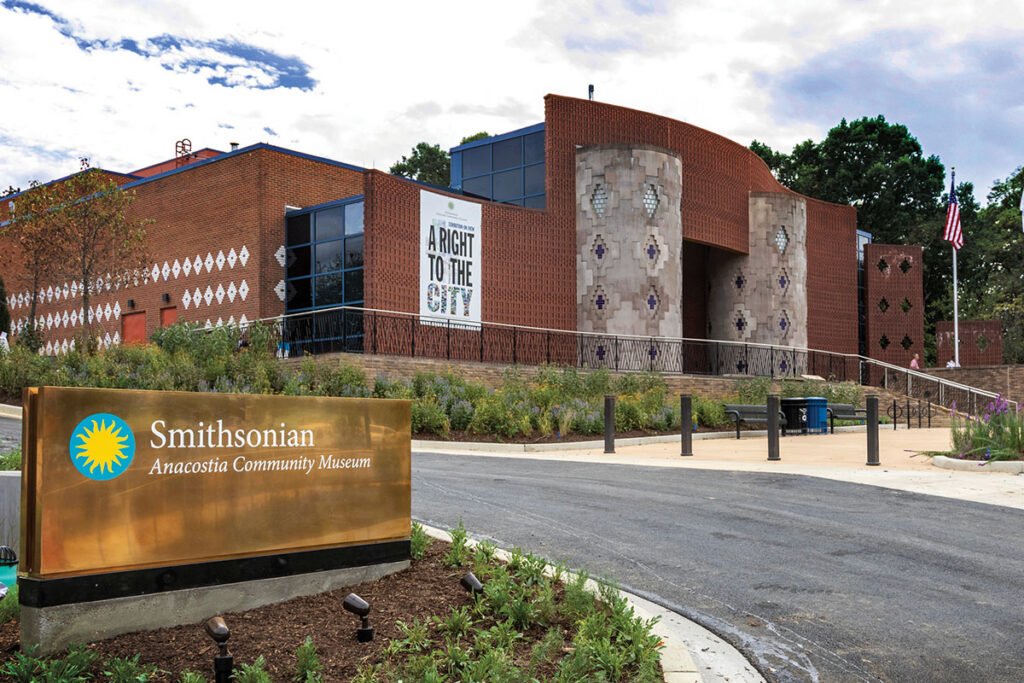
Museums offer a transformative opportunity: to document, shape and reshape our knowledge of our own history. But who writes that history?

After losing his 16-year-old daughter LoEshe to gun violence in 1997, Donald Lacy founded the LoveLife Foundation in her memory—and nearly three decades later, finds that the joy she put into the world still sustains the work.